THE ADVENTURE COLLECTIVE® · Independent discovery and booking for outdoor travel

Follow a coastal stretch of the Camino from Zarautz to Getaria, taste local txakoli and market foods, and finish in a fisherman’s town renowned for grilled bonito. This 9 km easy-to-moderate walk blends coastal views, vineyard terraces and Basque culinary stops.
Follow a coastal stretch of the Camino from Zarautz to Getaria, taste local txakoli and market foods, and finish in a fisherman’s town renowned for grilled bonito. This 9 km easy-to-moderate walk blends coastal views, vineyard terraces and Basque culinary stops.
You step off the train in Zarautz with salt on the air and the Cantabrian Sea pushing at the rocks below—today’s trail threads the coastal stretch of the Camino de Santiago, where Roman-pack tracks meet vineyard terraces.
Verified experiences and guided adventures in the surrounding area.
Operated by Earra Tours Basque Country · Getaria, Gipuzkoa
You step off the train in Zarautz with salt on the air and the Cantabrian Sea pushing at the rocks below—today’s trail threads the coastal stretch of the Camino de Santiago, where Roman-pack tracks meet vineyard terraces.
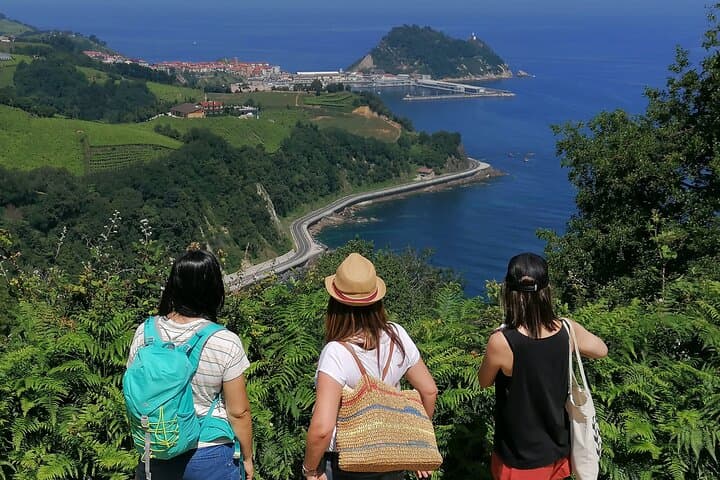
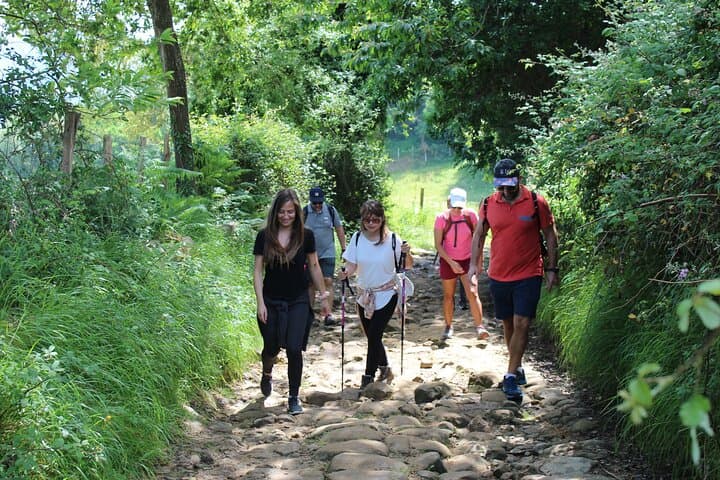
The walk follows roughly 9 km of mixed beach promenade, paved village streets and a stone Roman path climbing for about 70 minutes to a ridge above Getaria. Geologically this coast is folded limestone and sandstone, cut by eroding cliffs that reveal marine fossils and give panoramic views back toward San Sebastián.
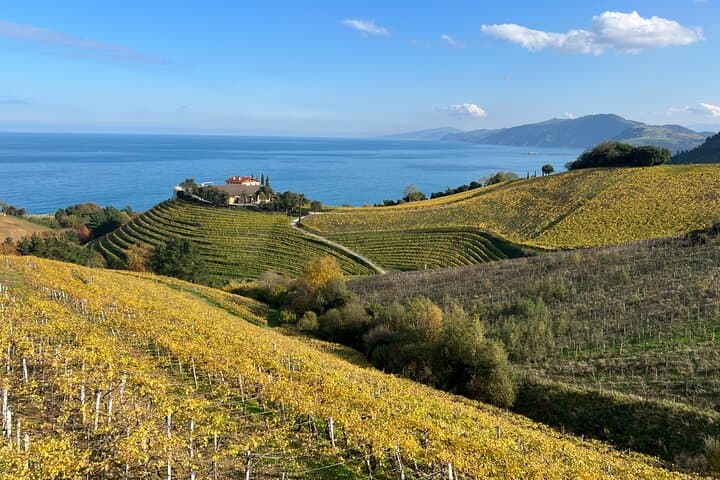
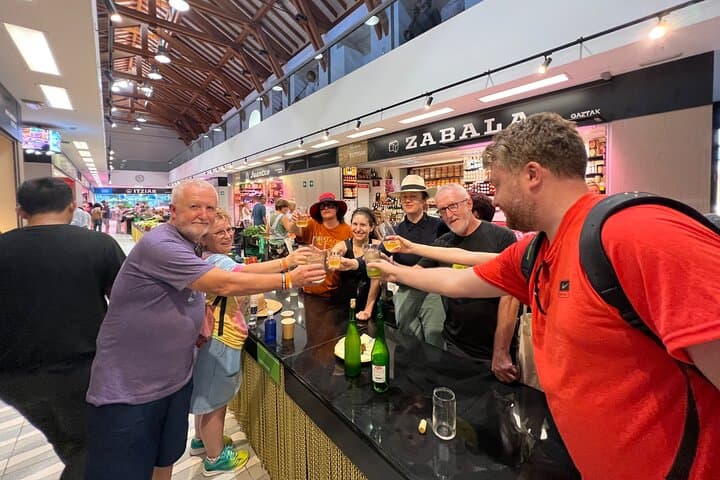
Culturally the route stitches fishing villages and winemaking: Zarautz’s market sells Idiazabal cheese, apple jelly and farmhouse bread; near the ridge small txakoli bodegas open for tastings of the region’s high-acid, lightly sparkling white. Getaria, where the tour ends, is the birthplace of explorer Juan Sebastián Elcano and designer Cristóbal Balenciaga—its main street still shows stone houses, towers and working grills where bonito (tuna) and anchovies are split and smoked.
Practical guide: expect 5–6 hours total including train travel (San Sebastián to Zarautz ~25 minutes) and three short winery tastings paired with local fish. Wear grippy walking shoes for coastal rock and a windproof layer—the Cantabrian gusts can turn cold fast. Bring water and cash for market purchases. If you finish in Getaria you can catch a bus back to Donostia or linger for a seaside lunch; the operator includes a one-way train ticket and a local guide to navigate schedules and returns.
moderate.
5–6 hours.
Moderate fitness: you should be comfortable walking 9 km with a sustained uphill segment of about 70 minutes.
Yes—terrain is mostly well-marked and the distance is 9 km; beginners should be prepared for one sustained uphill segment and moderate walking fitness is recommended.
Yes—the tour includes three txakoli tastings at a local winery paired with regional fish; non-alcoholic options are provided for underage or non-drinkers.
At the end you can choose to return by public bus from Getaria to San Sebastián or stay in Getaria; the operator can advise timings but return transport is not included.
The tour includes market tastings (Idiazabal cheese, apple jelly, bread, cider) and winery pairings with tuna; full restaurant meals are not included.
The route uses parts of the Camino de Santiago (Camino del Norte) and passes medieval towns; Getaria is historically linked to explorer Juan Sebastián Elcano and couturier Cristóbal Balenciaga.
Stick to marked paths to protect terraced vineyards and coastal shrub; support small producers and local markets to keep traditional land use viable.
Earra Tours Basque Country operates guided outdoor trips and adventures with an emphasis on safety, stewardship, and memorable experiences.
You step off the train in Zarautz with salt on the air and the Cantabrian Sea pushing at the rocks below—today’s trail threads the coastal stretch of the Camino de Santiago, where Roman-pack tracks meet vineyard terraces.
You step off the train in Zarautz with salt on the air and the Cantabrian Sea pushing at the rocks below—today’s trail threads the coastal stretch of the Camino de Santiago, where Roman-pack tracks meet vineyard terraces.
The walk follows roughly 9 km of mixed beach promenade, paved village streets and a stone Roman path climbing for about 70 minutes to a ridge above Getaria. Geologically this coast is folded limestone and sandstone, cut by eroding cliffs that reveal marine fossils and give panoramic views back toward San Sebastián.
Culturally the route stitches fishing villages and winemaking: Zarautz’s market sells Idiazabal cheese, apple jelly and farmhouse bread; near the ridge small txakoli bodegas open for tastings of the region’s high-acid, lightly sparkling white. Getaria, where the tour ends, is the birthplace of explorer Juan Sebastián Elcano and designer Cristóbal Balenciaga—its main street still shows stone houses, towers and working grills where bonito (tuna) and anchovies are split and smoked.
Practical guide: expect 5–6 hours total including train travel (San Sebastián to Zarautz ~25 minutes) and three short winery tastings paired with local fish. Wear grippy walking shoes for coastal rock and a windproof layer—the Cantabrian gusts can turn cold fast. Bring water and cash for market purchases. If you finish in Getaria you can catch a bus back to Donostia or linger for a seaside lunch; the operator includes a one-way train ticket and a local guide to navigate schedules and returns.