
Coastal Camino: Trekking San Sebastián to Pasajes San Juan
Follow a coastal stretch of the Camino de Santiago from San Sebastián to the fishermen’s hamlet of Pasajes San Juan. Expect cliff-side views, Basque food stops, and a mix of dirt track and rocky shoreline walking.
An Adventure In San Sebastián.
Follow a coastal stretch of the Camino de Santiago from San Sebastián to the fishermen’s hamlet of Pasajes San Juan. Expect cliff-side views, Basque food stops, and a mix of dirt track and rocky shoreline walking.
Read the full experience
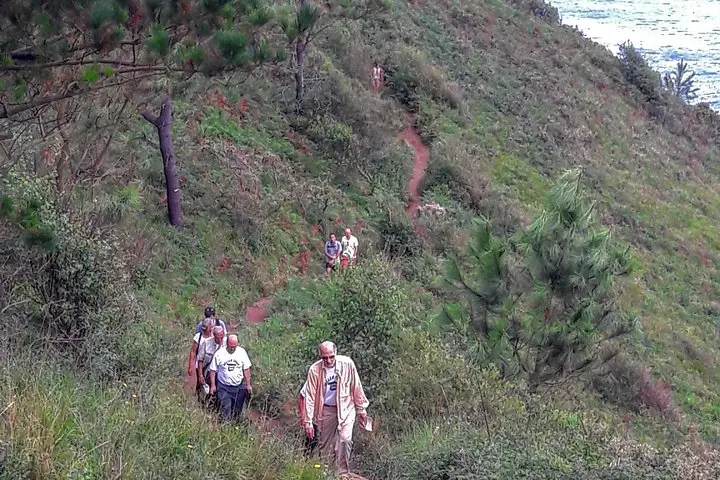
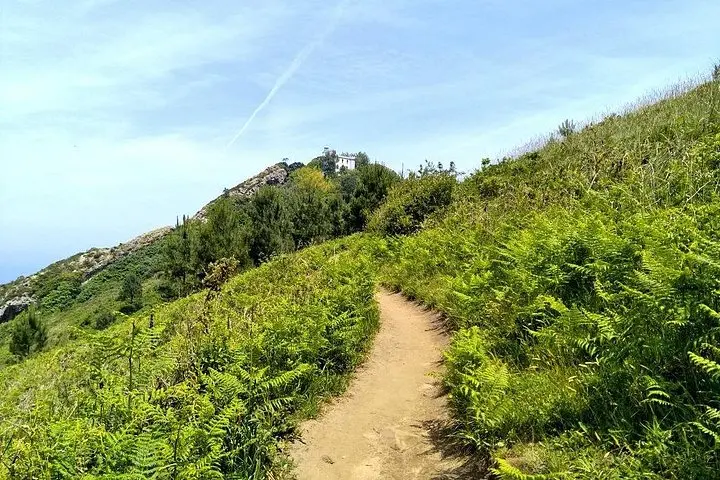
You step off the bus in San Sebastián and the sea pulls the trail forward — salt on the wind, gulls arguing above a ribbon of cliffs. The path alternates between boardwalks, rocky headlands and pine-scented tracks as it follows the coastal strand of the Camino de Santiago’s northern variant.
You step off the bus in San Sebastián and the sea pulls the trail forward — salt on the wind, gulls arguing above a ribbon of cliffs. The path alternates between boardwalks, rocky headlands and pine-scented tracks as it follows the coastal strand of the Camino de Santiago’s northern variant.
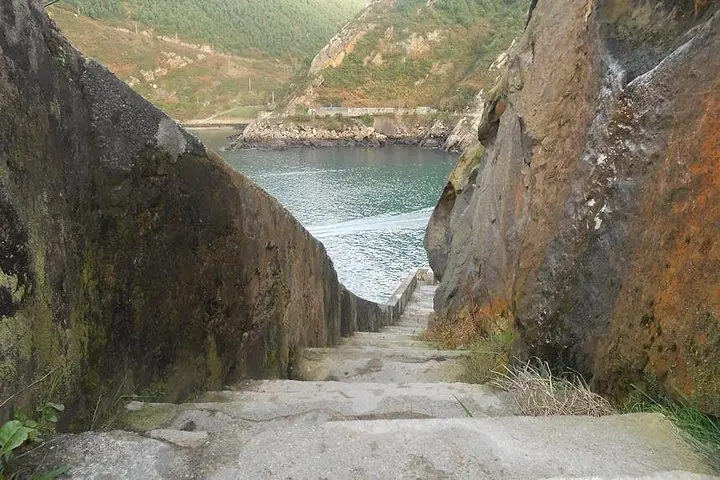
This route threads Basque fishing history into its contours: stone harbors where skiffs have tied up for centuries, and narrow streets in Pasajes San Juan that still wear the patina of a working port. Geologically, the coast is compact cliffs of flysch and limestone carved by Atlantic swell; underfoot you alternate between packed dirt, gravel and short rocky scrambles. Cultural notes arrive at each stop — Basque place names, small bars serving pintxos, and the occasional shrine marking an old pilgrim waypoint.
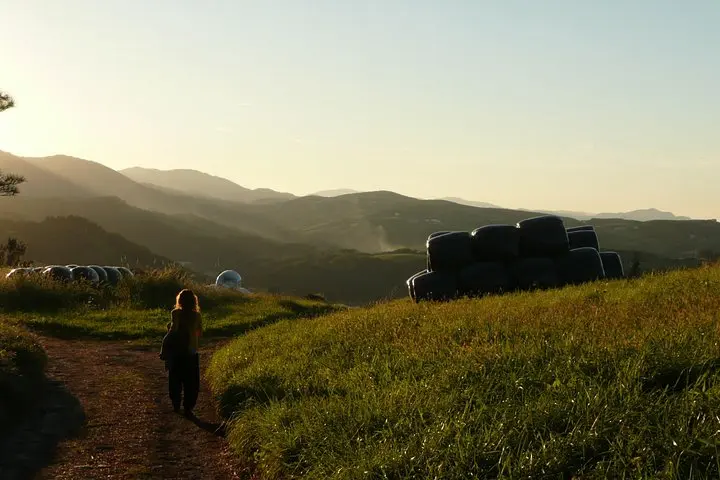
Expect panoramic lookout points that make you pause and a final descent into Pasajes San Juan’s intimate waterfront, where lobsters and local stories anchor the day. Guides usually keep groups small; pace is steady but accessible for most walkers.
Practical side: bring layered clothing for Atlantic wind and sudden showers, sturdy shoes with good traction, and 1–1.5 liters of water. Plan for 4–5 hours on trail time with breaks for views and food. Morning departures give cleaner light and calmer seas; late afternoons can bring stronger winds and busier streets. Public buses and ferries connect Pasajes and San Sebastián, making logistics straightforward if you prefer to return independently.
Frequently asked questions
Typical itineraries take about 4–5 hours and are considered moderate: mostly coastal tracks with some short climbs and uneven sections.
Most departures are from central San Sebastián with the route ending in Pasajes San Juan (Pasaia), a small fishermen’s village with transport links back to the city.
Yes for many families and older walkers if they are accustomed to walking 4–5 hours and can handle uneven ground; ask the operator about pacing and rest stops.
Not typically; the tour highlights local food options in Pasajes San Juan but participants generally pay for their own refreshments.
About This Experience
Iker Bardaji Private Tour Guide operates guided outdoor trips and adventures with an emphasis on safety, stewardship, and memorable experiences.
Adventure tips
Recommended gear
- Hiking shoes with good tread: Provides traction on rocky and sometimes wet coastal sections.
- Light waterproof jacket: Shields against Atlantic-driven showers and wind.
- Reusable water bottle (1–1.5 L): Keeps you hydrated between village stops.
- Small daypack with sun protection: Carries layers, snacks, and sunscreen for exposed viewpoints.
Photos of the experience
Related adventures & guides
Read the full experience
You step off the bus in San Sebastián and the sea pulls the trail forward — salt on the wind, gulls arguing above a ribbon of cliffs. The path alternates between boardwalks, rocky headlands and pine-scented tracks as it follows the coastal strand of the Camino de Santiago’s northern variant.
You step off the bus in San Sebastián and the sea pulls the trail forward — salt on the wind, gulls arguing above a ribbon of cliffs. The path alternates between boardwalks, rocky headlands and pine-scented tracks as it follows the coastal strand of the Camino de Santiago’s northern variant.
This route threads Basque fishing history into its contours: stone harbors where skiffs have tied up for centuries, and narrow streets in Pasajes San Juan that still wear the patina of a working port. Geologically, the coast is compact cliffs of flysch and limestone carved by Atlantic swell; underfoot you alternate between packed dirt, gravel and short rocky scrambles. Cultural notes arrive at each stop — Basque place names, small bars serving pintxos, and the occasional shrine marking an old pilgrim waypoint.
Expect panoramic lookout points that make you pause and a final descent into Pasajes San Juan’s intimate waterfront, where lobsters and local stories anchor the day. Guides usually keep groups small; pace is steady but accessible for most walkers.
Practical side: bring layered clothing for Atlantic wind and sudden showers, sturdy shoes with good traction, and 1–1.5 liters of water. Plan for 4–5 hours on trail time with breaks for views and food. Morning departures give cleaner light and calmer seas; late afternoons can bring stronger winds and busier streets. Public buses and ferries connect Pasajes and San Sebastián, making logistics straightforward if you prefer to return independently.
Make a day of it nearby.
Verified experiences and guided adventures in the surrounding area.