THE ADVENTURE COLLECTIVE® · Independent discovery and booking for outdoor travel

A half-day jeep safari from Dikwella takes you into Bundala’s tidal lagoons where migratory flamingos and marshland birds feed. This practical guide explains what to expect on the ride, the best viewing windows and how to prepare.
A half-day jeep safari from Dikwella takes you into Bundala’s tidal lagoons where migratory flamingos and marshland birds feed. This practical guide explains what to expect on the ride, the best viewing windows and how to prepare.
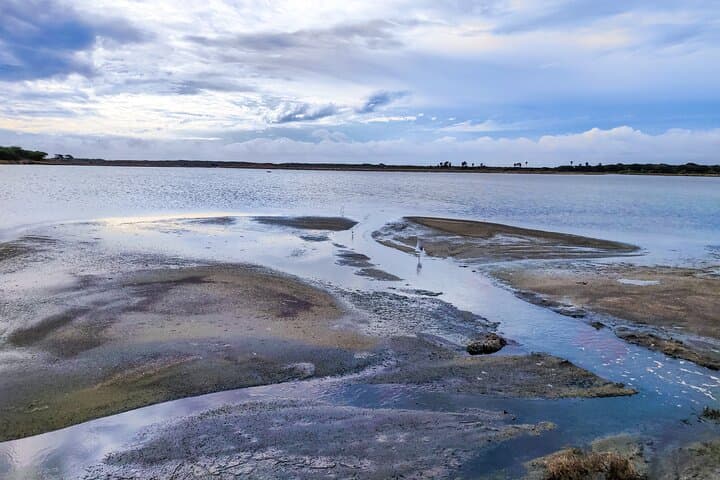
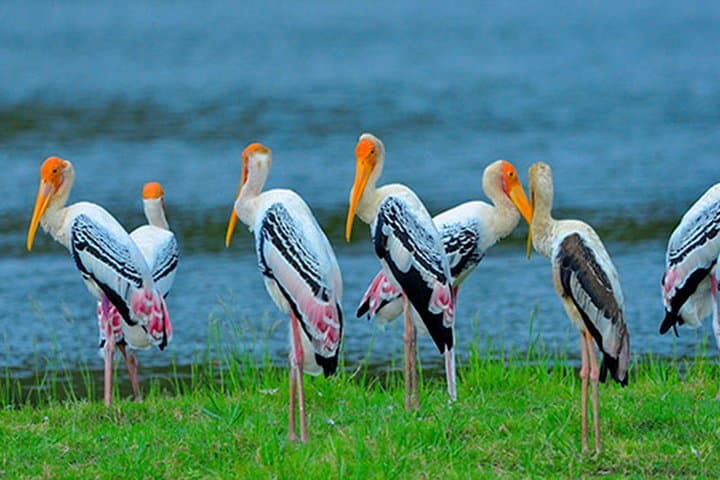
A morning drive off the southern highway carries you past rice paddies and fishing hamlets until the road opens to salt pans and low scrub; the jeep slows and the world becomes water and wing. Bundala’s lagoons shrug off the sun in silver sheets, and flamingos draw thin, bright commas across the shallows, daring you to follow.
Verified experiences and guided adventures in the surrounding area.
Operated by Lakpura LLC · Dikwella, Southern Province
A morning drive off the southern highway carries you past rice paddies and fishing hamlets until the road opens to salt pans and low scrub; the jeep slows and the world becomes water and wing. Bundala’s lagoons shrug off the sun in silver sheets, and flamingos draw thin, bright commas across the shallows, daring you to follow.
Designated a wildlife sanctuary in 1969 and upgraded to a national park in 1993, Bundala lies on Sri Lanka’s southeastern coast where coastal sediments and tidal action have made a mosaic of salt flats, dunes and mangrove channels. The park is part of an internationally recognized wetland network and reflects centuries of local fishing and lagoon management by nearby villages.
On safari, expect flat, open terrain punctuated by reed beds and low dunes; the jeep tracks are sandy and uneven but require no climbing—this is a land of observation rather than ascent. Seasonal tides rearrange feeding grounds, and migratory birds time their arrivals to those shifts. Local guides point out feeding flocks, resident sambar and the occasional estuarine crocodile, explaining how coastal geology and human use shape habitat.
Practical notes: tours run about six hours from Dikwella with hotel pickup and drop-off; bring binoculars, sun protection and at least 1.5 litres of water. Wear closed shoes for dusty tracks and a lightweight rain layer during monsoon months. Respect wildlife distances—the park’s value depends on quiet observation—and ask your driver about the best viewpoints for flamingos and shorebirds before the sun gets high.
moderate.
5–6 hours.
Suitable for someone with moderate fitness; involves getting in/out of open jeep and short walks on soft sand
November through April is prime for wintering migratory species, including greater flamingos, when water levels and food availability attract large congregations.
Entry is often not included—confirm with your operator and bring local currency for park fees and guide permits.
Short jeep hops and limited walking make it generally family-friendly, but the sandy tracks and vehicle access can be challenging for those with mobility restrictions.
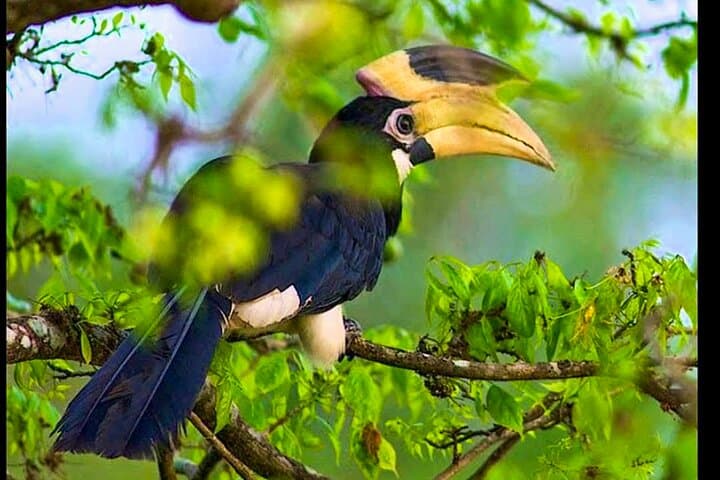
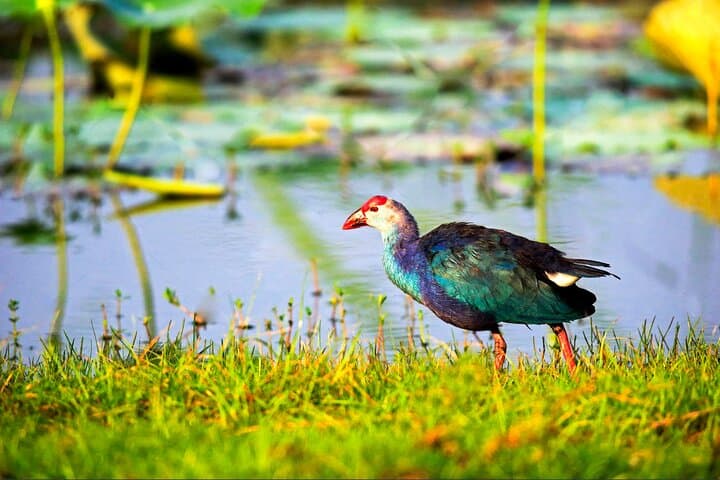
Bird sightings are the most reliable; deer and crocodiles are possible but less predictable—guides will point out likely spots.
Bundala was declared a sanctuary in 1969 and became a national park in 1993; it is also recognized as a Ramsar wetland of international importance.
The park faces pressure from coastal development and changing water regimes; responsible tourism and keeping to jeep tracks help minimize disturbance to feeding birds.
Lakpura LLC operates guided outdoor trips and adventures with an emphasis on safety, stewardship, and memorable experiences.
A morning drive off the southern highway carries you past rice paddies and fishing hamlets until the road opens to salt pans and low scrub; the jeep slows and the world becomes water and wing. Bundala’s lagoons shrug off the sun in silver sheets, and flamingos draw thin, bright commas across the shallows, daring you to follow.
A morning drive off the southern highway carries you past rice paddies and fishing hamlets until the road opens to salt pans and low scrub; the jeep slows and the world becomes water and wing. Bundala’s lagoons shrug off the sun in silver sheets, and flamingos draw thin, bright commas across the shallows, daring you to follow.
Designated a wildlife sanctuary in 1969 and upgraded to a national park in 1993, Bundala lies on Sri Lanka’s southeastern coast where coastal sediments and tidal action have made a mosaic of salt flats, dunes and mangrove channels. The park is part of an internationally recognized wetland network and reflects centuries of local fishing and lagoon management by nearby villages.
On safari, expect flat, open terrain punctuated by reed beds and low dunes; the jeep tracks are sandy and uneven but require no climbing—this is a land of observation rather than ascent. Seasonal tides rearrange feeding grounds, and migratory birds time their arrivals to those shifts. Local guides point out feeding flocks, resident sambar and the occasional estuarine crocodile, explaining how coastal geology and human use shape habitat.
Practical notes: tours run about six hours from Dikwella with hotel pickup and drop-off; bring binoculars, sun protection and at least 1.5 litres of water. Wear closed shoes for dusty tracks and a lightweight rain layer during monsoon months. Respect wildlife distances—the park’s value depends on quiet observation—and ask your driver about the best viewpoints for flamingos and shorebirds before the sun gets high.