THE ADVENTURE COLLECTIVE® · Independent discovery and booking for outdoor travel

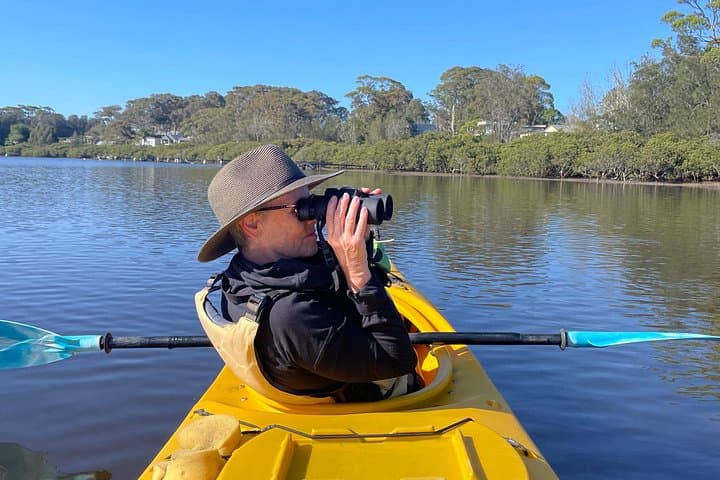
Glide silently through tidal creeks and mangrove channels on a guided, 3-hour kayak tour that focuses on estuary birdlife. Learn tide logic, spot pelicans and herons, and leave no trace as you move through New South Wales' coastal wetlands.
Glide silently through tidal creeks and mangrove channels on a guided, 3-hour kayak tour that focuses on estuary birdlife. Learn tide logic, spot pelicans and herons, and leave no trace as you move through New South Wales' coastal wetlands.
Paddling out at first light, the kayak parts a glassy estuary and the world narrows to birdsong and the soft slap of oars. Mangrove roots fan out like the fingers of the coast, and tide channels guide the craft through pockets where shorebirds feed and raptors patrol the sky.
Verified experiences and guided adventures in the surrounding area.
Operated by Region X · Sydney, New South Wales
Paddling out at first light, the kayak parts a glassy estuary and the world narrows to birdsong and the soft slap of oars. Mangrove roots fan out like the fingers of the coast, and tide channels guide the craft through pockets where shorebirds feed and raptors patrol the sky.
These waterways are shaped by ancient geology and living sediment — estuaries where rivers slow, drop silt, and build sandflats. Aboriginal people have managed and read these margins for millennia; European settlers later used them for fishing and salt production. Today small protected reserves and tidal flats hold the same ecological processes that attract migratory and resident birds.
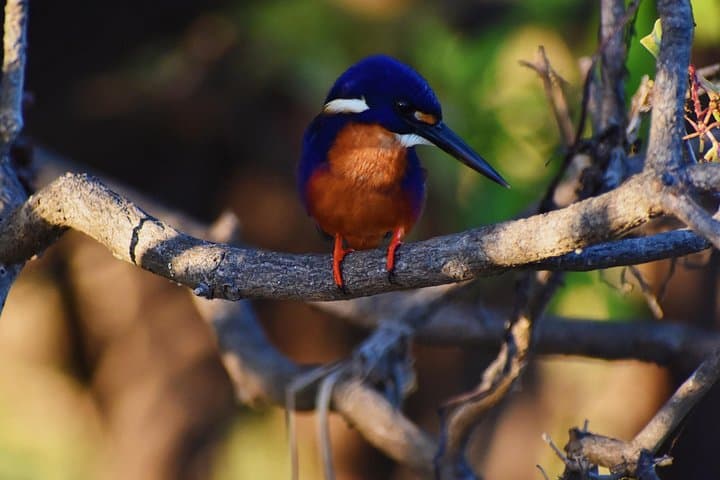
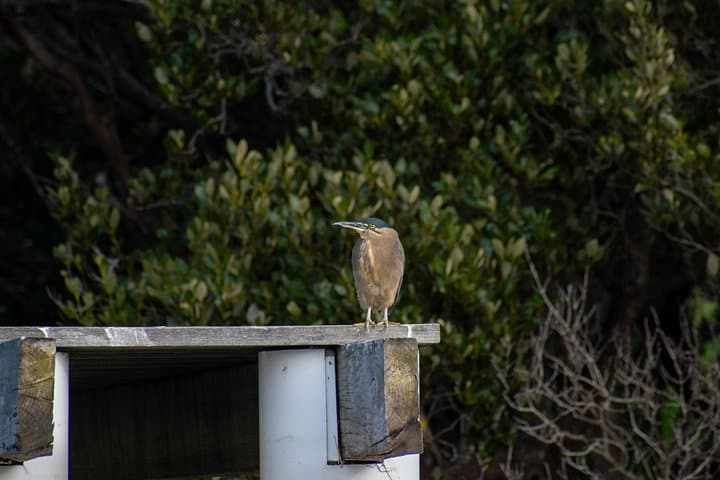
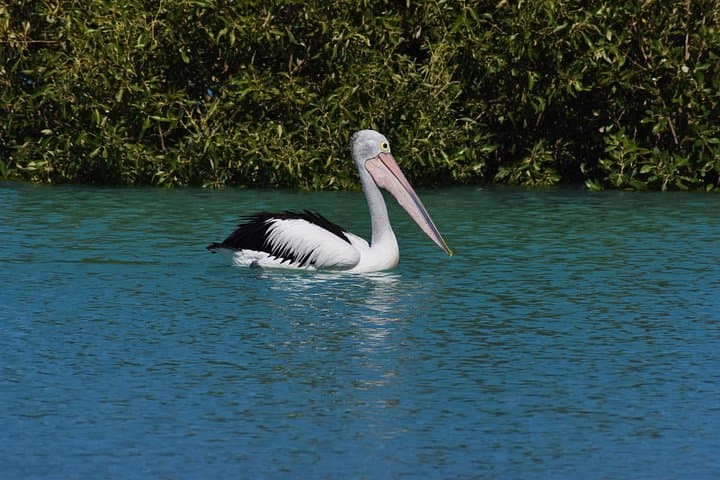
Expect white-faced herons threading the shallows, pelicans cruising low for fish, and pairs of kingfishers watching from mangrove perches. Guides move quietly in sit-on-top kayaks, pointing out nesting sites, tide windows, and the small intertidal life that feeds whole food chains. The tour’s rhythm is dictated by tide and light — low tide concentrates waders, high tide opens access into hidden creeks.
Practically, this is an easy, guided paddle suitable for beginners: short bursts of paddling, frequent stops, and interpretive spotting. Bring binoculars, waterproof layers, sun protection and a refillable water bottle. Time your trip for the incoming tide and the golden hours of morning or late afternoon for best bird activity. Respect nesting zones and follow your guide’s distance rules — the birds are the goal, and the kayak is the quiet way to meet them.
easy.
3 hours.
Suitable for beginners and moderate fitness; you should be able to sit and paddle for short stretches and embark/land from a low bank.
Yes—guided sit-on-top kayaks and calm estuary waters make this accessible for beginners; guides give a short skills briefing before launch.
Common sightings include white-faced herons, Australian pelicans, kingfishers and various shorebirds depending on tide and season.
The operator lists accessibility options; contact them ahead to confirm landing sites and transport arrangements for specific needs.
Tours are cancellable for bad weather; you’ll receive a full refund if canceled at least 24 hours before departure or if conditions are unsafe.
Coastal estuaries in New South Wales have long been places of food and cultural practice for Aboriginal communities; later they supported colonial fishing and salt industries.
Mangroves and tidal flats are sensitive habitats—stay in channels, avoid trampling saltmarsh, and pack out all waste to protect feeding and nesting sites.
Region X operates guided outdoor trips and adventures with an emphasis on safety, stewardship, and memorable experiences.
Paddling out at first light, the kayak parts a glassy estuary and the world narrows to birdsong and the soft slap of oars. Mangrove roots fan out like the fingers of the coast, and tide channels guide the craft through pockets where shorebirds feed and raptors patrol the sky.
Paddling out at first light, the kayak parts a glassy estuary and the world narrows to birdsong and the soft slap of oars. Mangrove roots fan out like the fingers of the coast, and tide channels guide the craft through pockets where shorebirds feed and raptors patrol the sky.
These waterways are shaped by ancient geology and living sediment — estuaries where rivers slow, drop silt, and build sandflats. Aboriginal people have managed and read these margins for millennia; European settlers later used them for fishing and salt production. Today small protected reserves and tidal flats hold the same ecological processes that attract migratory and resident birds.
Expect white-faced herons threading the shallows, pelicans cruising low for fish, and pairs of kingfishers watching from mangrove perches. Guides move quietly in sit-on-top kayaks, pointing out nesting sites, tide windows, and the small intertidal life that feeds whole food chains. The tour’s rhythm is dictated by tide and light — low tide concentrates waders, high tide opens access into hidden creeks.
Practically, this is an easy, guided paddle suitable for beginners: short bursts of paddling, frequent stops, and interpretive spotting. Bring binoculars, waterproof layers, sun protection and a refillable water bottle. Time your trip for the incoming tide and the golden hours of morning or late afternoon for best bird activity. Respect nesting zones and follow your guide’s distance rules — the birds are the goal, and the kayak is the quiet way to meet them.