THE ADVENTURE COLLECTIVE® · Independent discovery and booking for outdoor travel

Cycle from Valencia’s urban edge into the Albufera’s wetlands and beaches on a half-day guided tour. Expect flat coastal roads, dune viewpoints, optional boat rides and local food stops.
Cycle from Valencia’s urban edge into the Albufera’s wetlands and beaches on a half-day guided tour. Expect flat coastal roads, dune viewpoints, optional boat rides and local food stops.
You roll out of Valencia’s grid into a widening horizon of pine, sand and reed. The city’s edge gives way to quiet coastal roads where the sea breeze pushes you along and the scent of pine and salt settles into the ride.
Verified experiences and guided adventures in the surrounding area.
Operated by Bikes & Tours · Valencia, Valencian Community
You roll out of Valencia’s grid into a widening horizon of pine, sand and reed. The city’s edge gives way to quiet coastal roads where the sea breeze pushes you along and the scent of pine and salt settles into the ride.
The route traces the southern shore: Pinedo’s low streets, El Saler’s golden dunes, then the slow change from salt marsh to freshwater lagoon at the Gola del Pujol. Albufera’s long history as a rice-growing and fishing landscape—shaped through Roman, Islamic and medieval eras—still shows in irrigation channels and the small villages that sit on its rim.
Geology here is recent: coastal dunes and lagoon sediments shaped by Mediterranean tides and river outflows. The area is a bird magnet; flamingos, herons and migratory ducks use the shallow flats. Culturally, the lagoon has produced Valencia’s signature dishes—paella originated from these rice fields—and local villages retain that connection.
Practical guide: expect a mostly flat, mixed-surface route of roughly 25–35 km round-trip, minimal elevation gain, and several short stops for photos, interpretation and an optional boat ride on the lagoon. Tours run mid-morning (9:30–14:30) or evening (18:00–23:00); afternoons offer cooler light and fewer people. Wear a helmet, carry sun protection and a refillable water bottle, and be prepared for sandy patches where traction loosens. Guides provide bicycles, a locker and water; groups max at about 14.
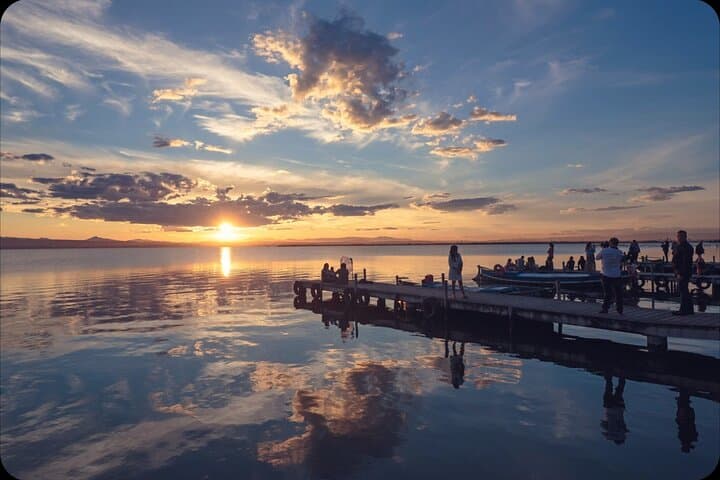
Timing matters—morning light is clearer for birdwatching; evening rides catch the dunes in low, warm light. Respect marked paths, give space to birds, and plan for a traditional almuerzo in El Palmar if you want a fuller cultural stop.
moderate.
4.5–5 hours.
Moderate fitness: comfortable riding 25–35 km on mostly flat terrain with short sandy patches.
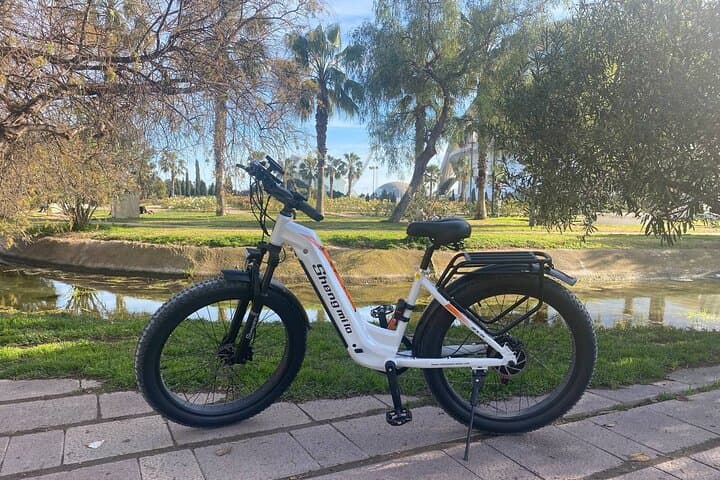
Yes—hybrid/trekking bicycles are provided by the operator along with a helmet and locker access.
Yes for steady beginners with moderate fitness; guides accommodate different paces but expect 25–35 km overall distance.
An optional lagoon boat ride is available depending on the tour format and timing—confirm when booking.
Meet at the operator’s central Valencia meeting point—look for a black and yellow bike sign; public transport options run nearby.
Albufera has been a managed wetland for centuries—rice cultivation and fishing shaped local settlements from medieval times and influenced Valencian cuisine.
Albufera is a protected park; stay on designated trails, avoid disturbing birds and support local businesses to reduce visitor pressure on fragile habitats.
Bikes & Tours operates guided outdoor trips and adventures with an emphasis on safety, stewardship, and memorable experiences.
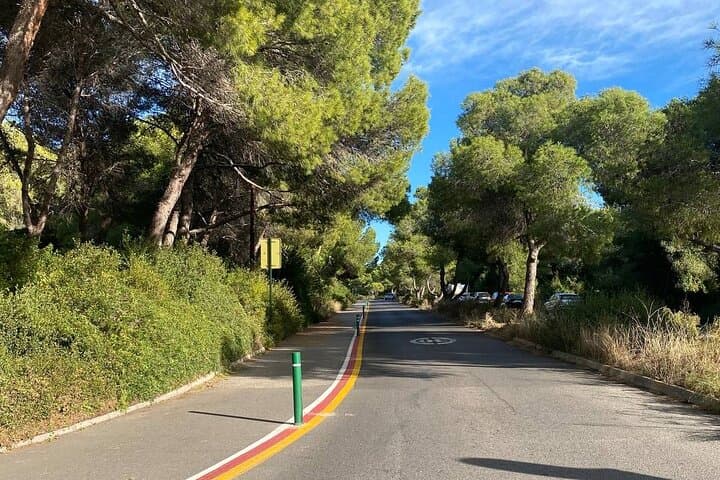
You roll out of Valencia’s grid into a widening horizon of pine, sand and reed. The city’s edge gives way to quiet coastal roads where the sea breeze pushes you along and the scent of pine and salt settles into the ride.
You roll out of Valencia’s grid into a widening horizon of pine, sand and reed. The city’s edge gives way to quiet coastal roads where the sea breeze pushes you along and the scent of pine and salt settles into the ride.
The route traces the southern shore: Pinedo’s low streets, El Saler’s golden dunes, then the slow change from salt marsh to freshwater lagoon at the Gola del Pujol. Albufera’s long history as a rice-growing and fishing landscape—shaped through Roman, Islamic and medieval eras—still shows in irrigation channels and the small villages that sit on its rim.
Geology here is recent: coastal dunes and lagoon sediments shaped by Mediterranean tides and river outflows. The area is a bird magnet; flamingos, herons and migratory ducks use the shallow flats. Culturally, the lagoon has produced Valencia’s signature dishes—paella originated from these rice fields—and local villages retain that connection.
Practical guide: expect a mostly flat, mixed-surface route of roughly 25–35 km round-trip, minimal elevation gain, and several short stops for photos, interpretation and an optional boat ride on the lagoon. Tours run mid-morning (9:30–14:30) or evening (18:00–23:00); afternoons offer cooler light and fewer people. Wear a helmet, carry sun protection and a refillable water bottle, and be prepared for sandy patches where traction loosens. Guides provide bicycles, a locker and water; groups max at about 14.
Timing matters—morning light is clearer for birdwatching; evening rides catch the dunes in low, warm light. Respect marked paths, give space to birds, and plan for a traditional almuerzo in El Palmar if you want a fuller cultural stop.