THE ADVENTURE COLLECTIVE® · Independent discovery and booking for outdoor travel

Drive Lisbon’s coast to Cascais, sip Colares wines and climb Sintra’s fairy-tale palaces in a single private day trip. Expect dramatic cliffs, historic hotels with spy-era stories, and forested panoramas above the Atlantic.
Drive Lisbon’s coast to Cascais, sip Colares wines and climb Sintra’s fairy-tale palaces in a single private day trip. Expect dramatic cliffs, historic hotels with spy-era stories, and forested panoramas above the Atlantic.
You pull away from Lisbon as the city contracts behind you and the Atlantic widens into an honest, blue horizon. The guide eases the van onto the coastal road and points toward Estoril — a strip of pale sand, an art-deco casino, and the memory of exiles and spies who once used this coast as cover. The morning light hits the marina in Cascais and the town spills open: fishermen’s boats, whitewashed façades, and a promenade that dares you to slow down.
Verified experiences and guided adventures in the surrounding area.
Operated by The Pessoa Tours · Sintra, Lisbon District
You pull away from Lisbon as the city contracts behind you and the Atlantic widens into an honest, blue horizon. The guide eases the van onto the coastal road and points toward Estoril — a strip of pale sand, an art-deco casino, and the memory of exiles and spies who once used this coast as cover. The morning light hits the marina in Cascais and the town spills open: fishermen’s boats, whitewashed façades, and a promenade that dares you to slow down.
The day is a compact geography lesson: hard Atlantic cliffs that roar at Boca do Inferno; windswept headlands at Cabo da Roca where the continent stops; and inland, Sintra’s forested hills where palaces bloom out of rock and moss. Geologically, you move from Cenozoic sandstone and active coastal erosion to the craggy granite and schist of the Sintra Massif — rock that the 19th-century romantics and Portuguese royalty saw as dramatic backdrop for their villas.
Culturally this route reads like a short novel. Estoril and Cascais were neutral-ground salons during World War II; Ian Fleming found material for James Bond in the genteel danger of the hotels and casinos. Colares, meanwhile, is quieter but no less distinct — sandy vineyards produce Malvasia and Ramisco grapes grown in vineyard plots where roots bury into windblown sand, giving the wines a saline, coastal edge.
By midday you trade the sea breeze for the cooler, humid forest that wraps Sintra. Pena Palace perches roughly 500 meters above sea level, a color-blocked fantasy with terraces that look back toward Lisbon and out to the ocean. Quinta da Regaleira offers chapels, tunnels and a man-made initiation well — a chance to walk deliberately into the symbolic underworld and emerge into sunlight sculpted by tile, stone and vegetation.
Practicalities anchor the romance. The tour runs 8–9 hours with hotel pickup in Lisbon; plan on roughly 30–45 minutes of driving between major stops. Expect moderate walking on cobbled streets and steep paths in Sintra — bring supportive footwear and a light jacket even if Lisbon is warm. Lunch in Colares is typically at a local tavern where regional dishes and Colares wine are highlighted; let the guide know dietary needs when you book.
For photographers, late afternoon gilds the cliffs and palace walls; mornings are best for the marina and Boca do Inferno. Respect local paths and protected areas — this coastline and the Sintra-Cascais Natural Park are actively managed to protect fragile dunes, vineyards and endemic flora. By the end of the day you’ll have traded the urban grid of Lisbon for a coastline that insists on movement: crashing waves that demand attention, and hills that invite a slower kind of exploration.
moderate.
8–9 hours.
Moderate fitness: able to walk on steep slopes and climb stairs for up to 90 minutes at a time.
The tour lasts approximately 8–9 hours and includes hotel pickup/drop-off in central Lisbon, lunch, local wine or beer, and a private guide/driver.
Admission is not automatically included—confirm in advance if you want skip-the-line or paid-entry tickets added to your booking.
Infants and small children can ride in a stroller and infant seats are available, but many Sintra sites have stairs and uneven paths that make strollers impractical.
Yes—operators will try to accommodate vegetarian, vegan or gluten-free requests if noted at booking, though traditional Portuguese dishes are typical.
Dress in layers with sturdy shoes; a light waterproof jacket is recommended due to Sintra’s variable weather.
Tipping is discretionary but appreciated; typical amounts reflect satisfaction and local norms for private tours.
Estoril and Cascais were neutral havens during WWII, drawing exiles and spies; Sintra’s palaces expanded in the 19th century as romantic-era royal retreats.
The route traverses the Sintra-Cascais Natural Park and protected Colares vineyards—stay on marked paths and avoid trampling dune vegetation to protect fragile ecosystems.
The Pessoa Tours operates guided outdoor trips and adventures with an emphasis on safety, stewardship, and memorable experiences.
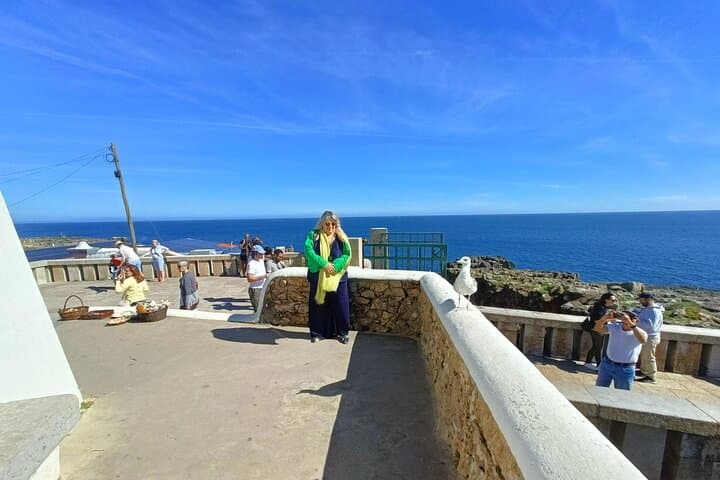
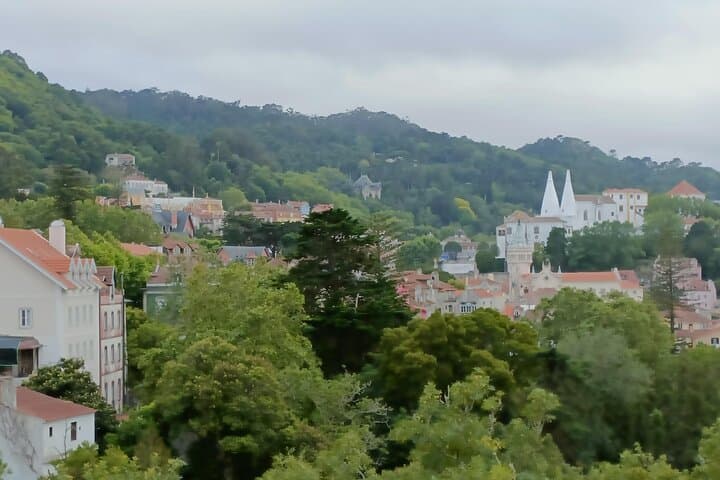
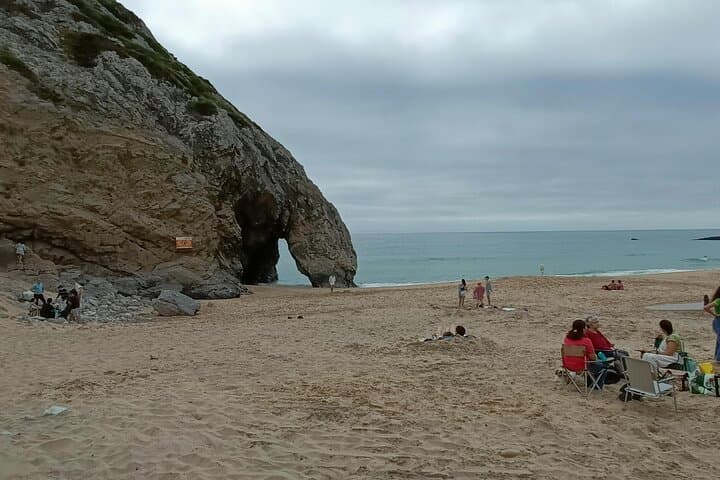
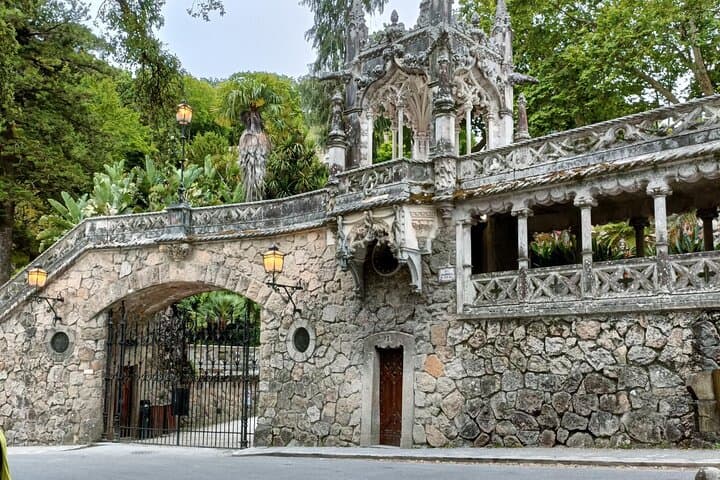
You pull away from Lisbon as the city contracts behind you and the Atlantic widens into an honest, blue horizon. The guide eases the van onto the coastal road and points toward Estoril — a strip of pale sand, an art-deco casino, and the memory of exiles and spies who once used this coast as cover. The morning light hits the marina in Cascais and the town spills open: fishermen’s boats, whitewashed façades, and a promenade that dares you to slow down.
You pull away from Lisbon as the city contracts behind you and the Atlantic widens into an honest, blue horizon. The guide eases the van onto the coastal road and points toward Estoril — a strip of pale sand, an art-deco casino, and the memory of exiles and spies who once used this coast as cover. The morning light hits the marina in Cascais and the town spills open: fishermen’s boats, whitewashed façades, and a promenade that dares you to slow down.
The day is a compact geography lesson: hard Atlantic cliffs that roar at Boca do Inferno; windswept headlands at Cabo da Roca where the continent stops; and inland, Sintra’s forested hills where palaces bloom out of rock and moss. Geologically, you move from Cenozoic sandstone and active coastal erosion to the craggy granite and schist of the Sintra Massif — rock that the 19th-century romantics and Portuguese royalty saw as dramatic backdrop for their villas.
Culturally this route reads like a short novel. Estoril and Cascais were neutral-ground salons during World War II; Ian Fleming found material for James Bond in the genteel danger of the hotels and casinos. Colares, meanwhile, is quieter but no less distinct — sandy vineyards produce Malvasia and Ramisco grapes grown in vineyard plots where roots bury into windblown sand, giving the wines a saline, coastal edge.
By midday you trade the sea breeze for the cooler, humid forest that wraps Sintra. Pena Palace perches roughly 500 meters above sea level, a color-blocked fantasy with terraces that look back toward Lisbon and out to the ocean. Quinta da Regaleira offers chapels, tunnels and a man-made initiation well — a chance to walk deliberately into the symbolic underworld and emerge into sunlight sculpted by tile, stone and vegetation.
Practicalities anchor the romance. The tour runs 8–9 hours with hotel pickup in Lisbon; plan on roughly 30–45 minutes of driving between major stops. Expect moderate walking on cobbled streets and steep paths in Sintra — bring supportive footwear and a light jacket even if Lisbon is warm. Lunch in Colares is typically at a local tavern where regional dishes and Colares wine are highlighted; let the guide know dietary needs when you book.
For photographers, late afternoon gilds the cliffs and palace walls; mornings are best for the marina and Boca do Inferno. Respect local paths and protected areas — this coastline and the Sintra-Cascais Natural Park are actively managed to protect fragile dunes, vineyards and endemic flora. By the end of the day you’ll have traded the urban grid of Lisbon for a coastline that insists on movement: crashing waves that demand attention, and hills that invite a slower kind of exploration.