THE ADVENTURE COLLECTIVE® · Independent discovery and booking for outdoor travel

Drive the length of Fuerteventura’s northern spine on a small-group minivan tour—walk the Corralejo Dunes, test aloe vera at a local finca, swim in the Los Lagos natural pools, and watch the Atlantic from Tostón Lighthouse. Perfect for travelers who want big coastal scenery without a strenuous hike.
Drive the length of Fuerteventura’s northern spine on a small-group minivan tour—walk the Corralejo Dunes, test aloe vera at a local finca, swim in the Los Lagos natural pools, and watch the Atlantic from Tostón Lighthouse. Perfect for travelers who want big coastal scenery without a strenuous hike.
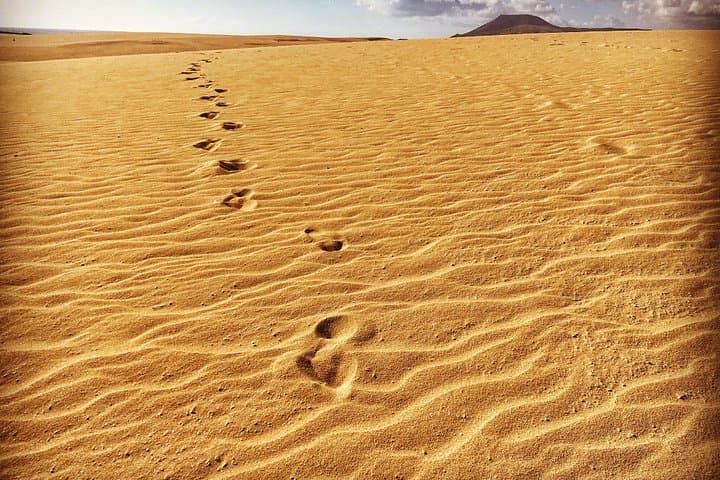
You step out of the minivan with sand under your boots and wind already sketching patterns on the dunes—a raw, lunar coast that seems to push the Atlantic back with every shifting ridge. The guide points toward KM14, a crescent where the park’s rippled dunes give way to pale beaches; behind you the island’s volcanic backbone rises, dark against a bright sky.
Verified experiences and guided adventures in the surrounding area.
Operated by KALITRAVEL FUERTEVENTURA · Corralejo, Las Palmas
You step out of the minivan with sand under your boots and wind already sketching patterns on the dunes—a raw, lunar coast that seems to push the Atlantic back with every shifting ridge. The guide points toward KM14, a crescent where the park’s rippled dunes give way to pale beaches; behind you the island’s volcanic backbone rises, dark against a bright sky.
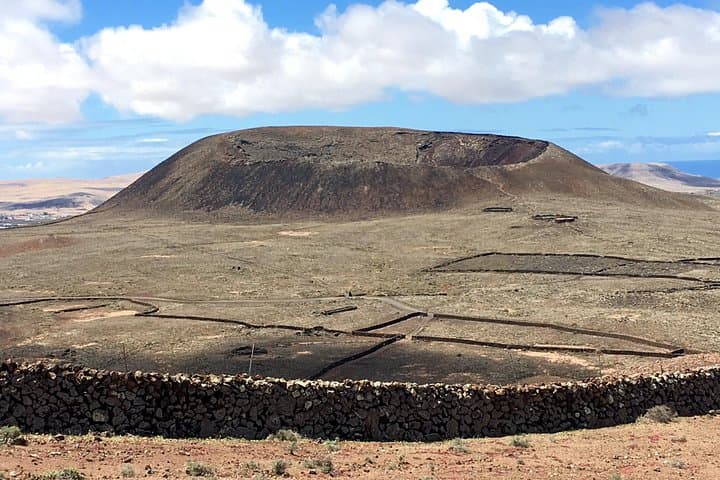
This is northern Fuerteventura: a place shaped by fire and sea. The island’s story is volcanic—black basalt flows that cooled before the ocean could smooth them, later blanketed by wind-driven quartz sand that created the Corralejo Dunes Natural Park. Human history here is quieter but fierce: fishing hamlets like El Cotillo grew where cliffs shelter calm coves, and the Castillo de Tostón, built in the 18th century, still watches the west coast for ships and storms.
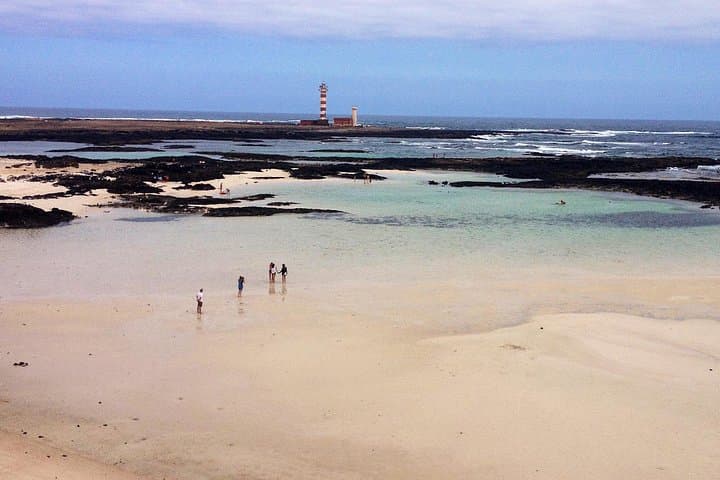
The day moves like a tide. You cross the dunes, then visit a family-run aloe vera finca where hands show you how gel becomes cream—samples are common and purchases possible. After that the road bends west to El Cotillo, a village that keeps the slow rhythm of a working harbor. Spend an hour or two at Los Lagos, where natural pools break the surf into calm, bath-like basins; it’s a practical place to swim or have lunch at nearby tapas bars (meals not included).
Later, Tostón Lighthouse perches over basalt cliffs, the Atlantic daring you to walk the headlands for surfers and kiteboarders below. Piedra Playa’s cliffs are raw and photogenic; if the wind is up you’ll see kite lines carving the sky.
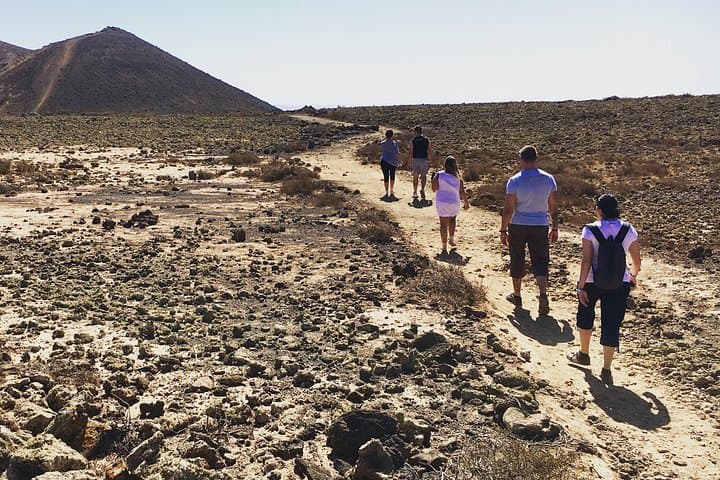
Practicalities: the tour runs about 6–7 hours in a minivan limited to eight passengers, with hotel pickup across northern Fuerteventura. Expect several short walks on sand and rock—comfortable shoes and windproof layers matter more than fancy gear. Bring water, reef-safe sunscreen, and a towel if you plan to swim; lunch is often taken in El Cotillo’s tapas strip.
Timing matters here—morning light sculpts the dunes, late afternoon softens the cliffs—and the wind can turn sunny into chilly in minutes. Conservation is real: the dunes are protected habitat; stay on paths, don’t remove sand or plants, and respect marine life in the pools.
For travelers who like easy physical days with big scenery, this is the island’s concentrated highlight reel: geological contrast, a working agrarian product with aloe, quiet fishing culture, and Atlantic exposure that rewards anyone who comes ready for wind, sun, and sharp views.
easy.
6–7 hours.
Light fitness—comfortable standing and walking on sand/rock for brief periods; suitable for most travelers.
No—lunch is not included. The tour stops at Los Lagos/El Cotillo where you can buy tapas or sandwiches; expect casual dining options.
Yes—the tour includes restroom breaks at tourist stops and village areas; facilities vary in cleanliness so carry hand sanitizer.
Yes at Los Lagos natural pools and some sheltered beaches, but check sea conditions and avoid swimming in rough surf or strong currents.
Yes—service infant seats are available and the route is family-friendly, but supervise children near cliffs and pools.
Northern Fuerteventura is often windy. Tours continue in most conditions but guides may shorten beach time if winds are dangerous.
Pickup location and time are confirmed at booking; the operator collects guests from most island hotels—provide your hotel details when asked.
The north coast grew around fishing and defense; Castillo de Tostón was built in the 18th century to protect shores against raids, and the landscape records volcanic flows overlain by wind-blown sand.
Corralejo Dunes are a protected area—stay on designated paths, avoid removing sand or plants, and use reef-safe sunscreen around natural pools to protect marine life.
KALITRAVEL FUERTEVENTURA operates guided outdoor trips and adventures with an emphasis on safety, stewardship, and memorable experiences.
You step out of the minivan with sand under your boots and wind already sketching patterns on the dunes—a raw, lunar coast that seems to push the Atlantic back with every shifting ridge. The guide points toward KM14, a crescent where the park’s rippled dunes give way to pale beaches; behind you the island’s volcanic backbone rises, dark against a bright sky.
You step out of the minivan with sand under your boots and wind already sketching patterns on the dunes—a raw, lunar coast that seems to push the Atlantic back with every shifting ridge. The guide points toward KM14, a crescent where the park’s rippled dunes give way to pale beaches; behind you the island’s volcanic backbone rises, dark against a bright sky.
This is northern Fuerteventura: a place shaped by fire and sea. The island’s story is volcanic—black basalt flows that cooled before the ocean could smooth them, later blanketed by wind-driven quartz sand that created the Corralejo Dunes Natural Park. Human history here is quieter but fierce: fishing hamlets like El Cotillo grew where cliffs shelter calm coves, and the Castillo de Tostón, built in the 18th century, still watches the west coast for ships and storms.
The day moves like a tide. You cross the dunes, then visit a family-run aloe vera finca where hands show you how gel becomes cream—samples are common and purchases possible. After that the road bends west to El Cotillo, a village that keeps the slow rhythm of a working harbor. Spend an hour or two at Los Lagos, where natural pools break the surf into calm, bath-like basins; it’s a practical place to swim or have lunch at nearby tapas bars (meals not included).
Later, Tostón Lighthouse perches over basalt cliffs, the Atlantic daring you to walk the headlands for surfers and kiteboarders below. Piedra Playa’s cliffs are raw and photogenic; if the wind is up you’ll see kite lines carving the sky.
Practicalities: the tour runs about 6–7 hours in a minivan limited to eight passengers, with hotel pickup across northern Fuerteventura. Expect several short walks on sand and rock—comfortable shoes and windproof layers matter more than fancy gear. Bring water, reef-safe sunscreen, and a towel if you plan to swim; lunch is often taken in El Cotillo’s tapas strip.
Timing matters here—morning light sculpts the dunes, late afternoon softens the cliffs—and the wind can turn sunny into chilly in minutes. Conservation is real: the dunes are protected habitat; stay on paths, don’t remove sand or plants, and respect marine life in the pools.
For travelers who like easy physical days with big scenery, this is the island’s concentrated highlight reel: geological contrast, a working agrarian product with aloe, quiet fishing culture, and Atlantic exposure that rewards anyone who comes ready for wind, sun, and sharp views.