THE ADVENTURE COLLECTIVE® · Independent discovery and booking for outdoor travel

Explore Clynelish’s field-to-glass process on a sensory tour that blends distilling history with coastal Highland views. Expect guided production access, a tutored tasting of drams and a highball, and practical insights into local barley, water and peat.
Explore Clynelish’s field-to-glass process on a sensory tour that blends distilling history with coastal Highland views. Expect guided production access, a tutored tasting of drams and a highball, and practical insights into local barley, water and peat.
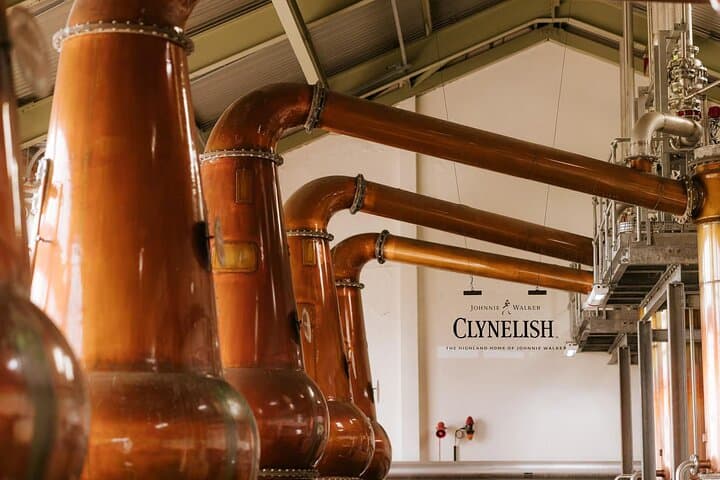
A bracing Atlantic wind pins salt on your lips as you step off the lane and into the low-slung buildings of Clynelish, the distillery whose copper stills have shaped Highland malt for decades. Inside, barley-sweet steam and the faint peat-smoke of spirit in maturation fill the air; windows frame the coastal sweep of Sutherland where dunes, burn and sea meet the distillery’s water source.
Verified experiences and guided adventures in the surrounding area.
Operated by Diageo Scotland Limited · Brora, Sutherland
A bracing Atlantic wind pins salt on your lips as you step off the lane and into the low-slung buildings of Clynelish, the distillery whose copper stills have shaped Highland malt for decades. Inside, barley-sweet steam and the faint peat-smoke of spirit in maturation fill the air; windows frame the coastal sweep of Sutherland where dunes, burn and sea meet the distillery’s water source.
The tale here runs from the Marquess of Stafford’s 1819 malting enterprise to the shuttering of the original Brora site in 1968 and the modern Clynelish that began production in 1969. Geology matters — local peat and the Clynemilton Burn give the malt its character, while sandy coastal soils shape barley quality. Culturally the distillery is woven into the Highlands’ crofting past and now plays a role in global blends like Johnnie Walker, linking the small village of Brora to shelves worldwide.
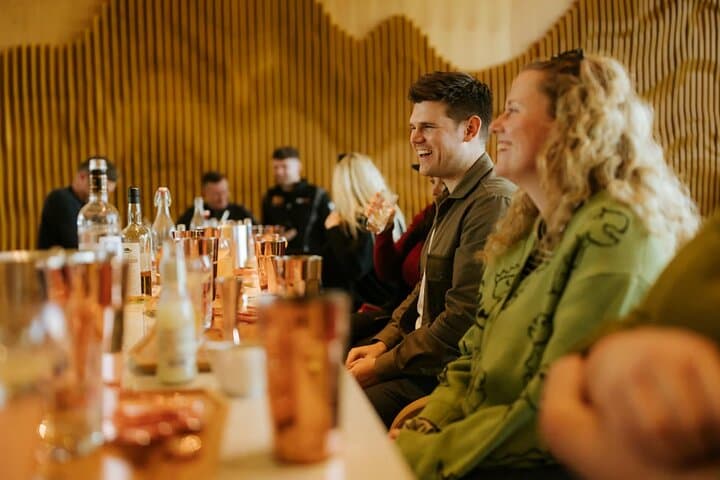
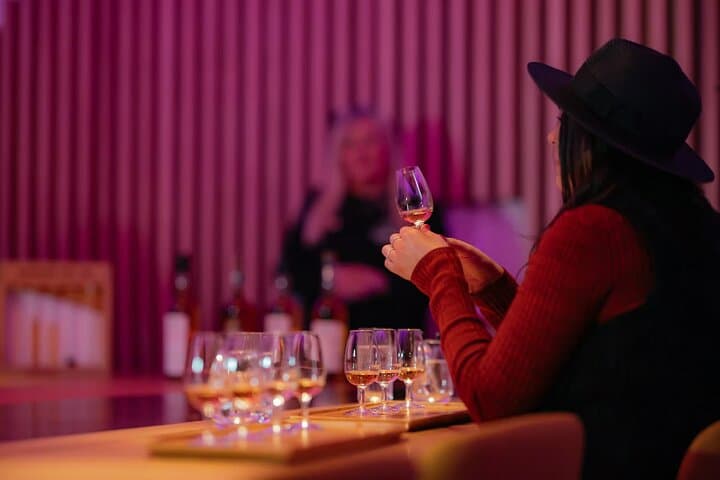
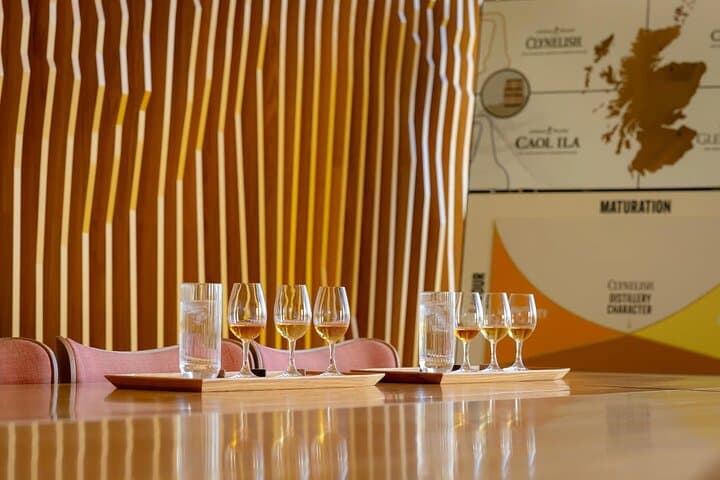
On the Flavour Journey Tour expect a guided walk through production spaces, clear explanations of field-to-glass processes, and a tutored tasting of drams, a highball and a sweet surprise while looking out over the coastline.
Practical tips: wear sturdy shoes for wet thresholds and stone steps, allow roughly 1.5–2 hours, and bring photo ID for tasting. Tours run year-round but light and travel conditions change fast — mornings are quieter, late afternoon brings longer shadows for photography. The experience is accessible for most fitness levels and offers a concentrated, sensory lesson in Highland whisky and place.
easy.
1.5–2 hours.
Light activity—mostly standing and short, flat walks; suitable for most fitness levels
The tour lasts approximately 105 minutes (about 1.5–2 hours), including the tutored tasting and overlook time.
Yes—visitor information indicates wheelchair access and accessible surfaces for this tour; contact the operator to confirm specific needs.
Yes—a tutored tasting of drams, a highball and a sweet surprise are included in the experience.
Photography is generally allowed in most areas, but follow guide instructions and avoid flash near machinery or labelled restricted zones.
The original distilling site related to the Marquess of Stafford dates to 1819; the modern Clynelish began production in 1969 and feeds into wider Scotch blending traditions.
Watch water usage and peat impacts; many Highland distilleries engage in local sourcing and sustainability initiatives—respect local land and follow leave-no-trace principles.
Diageo Scotland Limited operates guided outdoor trips and adventures with an emphasis on safety, stewardship, and memorable experiences.
A bracing Atlantic wind pins salt on your lips as you step off the lane and into the low-slung buildings of Clynelish, the distillery whose copper stills have shaped Highland malt for decades. Inside, barley-sweet steam and the faint peat-smoke of spirit in maturation fill the air; windows frame the coastal sweep of Sutherland where dunes, burn and sea meet the distillery’s water source.
A bracing Atlantic wind pins salt on your lips as you step off the lane and into the low-slung buildings of Clynelish, the distillery whose copper stills have shaped Highland malt for decades. Inside, barley-sweet steam and the faint peat-smoke of spirit in maturation fill the air; windows frame the coastal sweep of Sutherland where dunes, burn and sea meet the distillery’s water source.
The tale here runs from the Marquess of Stafford’s 1819 malting enterprise to the shuttering of the original Brora site in 1968 and the modern Clynelish that began production in 1969. Geology matters — local peat and the Clynemilton Burn give the malt its character, while sandy coastal soils shape barley quality. Culturally the distillery is woven into the Highlands’ crofting past and now plays a role in global blends like Johnnie Walker, linking the small village of Brora to shelves worldwide.
On the Flavour Journey Tour expect a guided walk through production spaces, clear explanations of field-to-glass processes, and a tutored tasting of drams, a highball and a sweet surprise while looking out over the coastline.
Practical tips: wear sturdy shoes for wet thresholds and stone steps, allow roughly 1.5–2 hours, and bring photo ID for tasting. Tours run year-round but light and travel conditions change fast — mornings are quieter, late afternoon brings longer shadows for photography. The experience is accessible for most fitness levels and offers a concentrated, sensory lesson in Highland whisky and place.