THE ADVENTURE COLLECTIVE® · Independent discovery and booking for outdoor travel

Paddle from freshwater reaches to the open bay on a three-day guided kayak-camping expedition along the Clyde River. Learn basic expedition skills, camp riverside at quiet spots like Bonnydoon, and watch tidal ecosystems shift as you move downstream.
Paddle from freshwater reaches to the open bay on a three-day guided kayak-camping expedition along the Clyde River. Learn basic expedition skills, camp riverside at quiet spots like Bonnydoon, and watch tidal ecosystems shift as you move downstream.
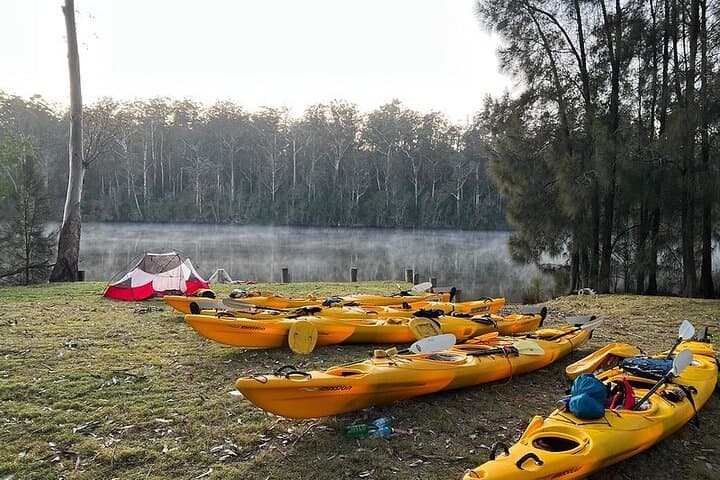
Early light unspools across the Clyde River and the kayaks sit patient at the water’s edge, waiting for the first paddle strokes. Over three days the river changes complexion—mirror-smooth freshwater upstream, a tannin-streaked midsection threaded with mangroves, and finally the open sweep of Batemans Bay where tidal currents nudge you toward the sea.
Verified experiences and guided adventures in the surrounding area.
Operated by Region X · Batemans Bay, New South Wales
Early light unspools across the Clyde River and the kayaks sit patient at the water’s edge, waiting for the first paddle strokes. Over three days the river changes complexion—mirror-smooth freshwater upstream, a tannin-streaked midsection threaded with mangroves, and finally the open sweep of Batemans Bay where tidal currents nudge you toward the sea.
This route follows country cared for by the Yuin people and later shaped by colonial river traffic and a thriving oyster industry; remnants of both culture and commerce mark the banks. Geologically the Clyde cuts through sandstones and silts, creating shallow crossings, tidal flats and deeper bends that collect birdlife and sea grasses. Expect to spot mangrove roots clinging to the tide line and oyster racks on sheltered banks as you glide past.
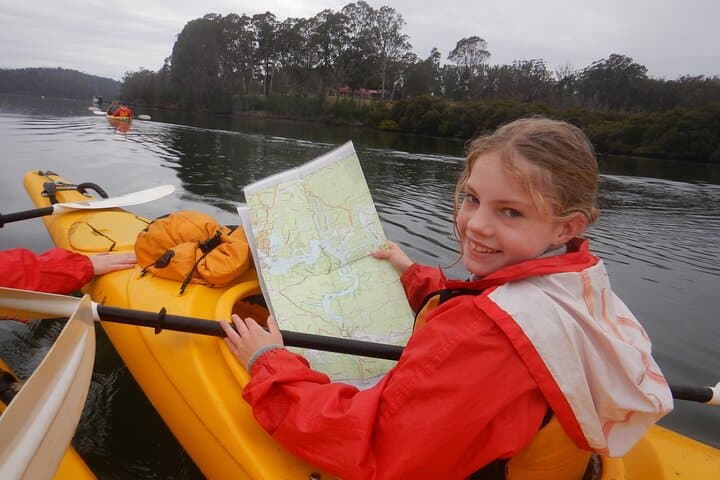
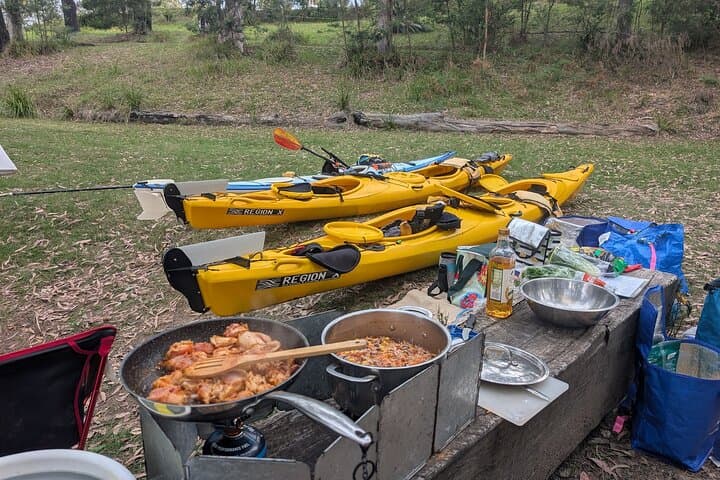
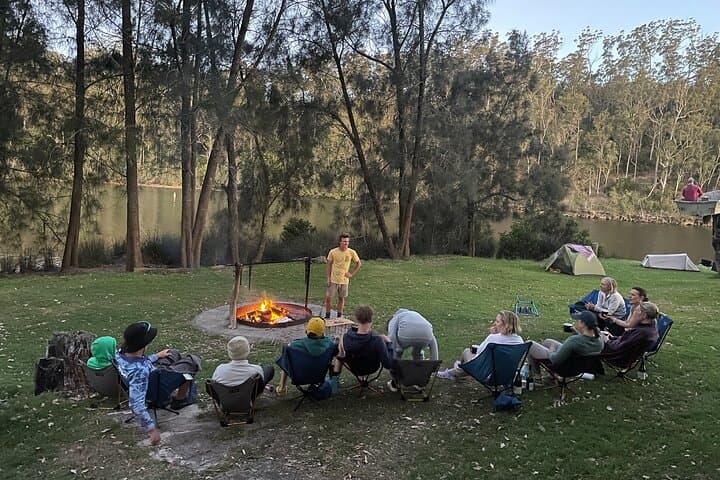
Practically, the trip runs three days with roughly four hours of guided paddling each day—typically 12–20 km daily depending on tides and wind. All kayak and camp equipment plus meals are provided; camps like Bonnydoon and Big Island are basic riverside sites with low-impact facilities. Bring quick-dry layers, sun protection, insect repellent and a small dry bag for essentials. Hydrate regularly and pay attention to tidal briefings—currents and wind can increase effort and change daily plans.
For paddlers new to expedition-style camping, this guided trip is an accessible way to learn river navigation, camp routines and coastal ecology while sleeping under the stars and waking to birdsong.
moderate.
3 days (approx. 12 hours paddling).
Suitable for people in regular, low–moderate fitness who can paddle for 3–4 hours a day and carry a small overnight pack.
No advanced skills are required—guides provide instruction and trips are suitable for beginners with basic fitness.
Yes. The tour supplies all kayaking and camping equipment as well as breakfasts, lunches and dinners specified in the itinerary.
Tides influence daily mileage and route; guides monitor conditions and may adjust plans. Expect sea breezes in the afternoon and bring layers.
Yes—minimum group size applies to departures, but solo travelers are welcome and will join shared groups if space allows.
The Clyde River is part of Yuin country and later supported oyster farming and small river trade; both cultural layers remain visible along the banks.
Fires are restricted at many camps; practice leave-no-trace, avoid trampling mangroves and respect shellfish beds to protect estuarine habitats.
Region X operates guided outdoor trips and adventures with an emphasis on safety, stewardship, and memorable experiences.
Early light unspools across the Clyde River and the kayaks sit patient at the water’s edge, waiting for the first paddle strokes. Over three days the river changes complexion—mirror-smooth freshwater upstream, a tannin-streaked midsection threaded with mangroves, and finally the open sweep of Batemans Bay where tidal currents nudge you toward the sea.
Early light unspools across the Clyde River and the kayaks sit patient at the water’s edge, waiting for the first paddle strokes. Over three days the river changes complexion—mirror-smooth freshwater upstream, a tannin-streaked midsection threaded with mangroves, and finally the open sweep of Batemans Bay where tidal currents nudge you toward the sea.
This route follows country cared for by the Yuin people and later shaped by colonial river traffic and a thriving oyster industry; remnants of both culture and commerce mark the banks. Geologically the Clyde cuts through sandstones and silts, creating shallow crossings, tidal flats and deeper bends that collect birdlife and sea grasses. Expect to spot mangrove roots clinging to the tide line and oyster racks on sheltered banks as you glide past.
Practically, the trip runs three days with roughly four hours of guided paddling each day—typically 12–20 km daily depending on tides and wind. All kayak and camp equipment plus meals are provided; camps like Bonnydoon and Big Island are basic riverside sites with low-impact facilities. Bring quick-dry layers, sun protection, insect repellent and a small dry bag for essentials. Hydrate regularly and pay attention to tidal briefings—currents and wind can increase effort and change daily plans.
For paddlers new to expedition-style camping, this guided trip is an accessible way to learn river navigation, camp routines and coastal ecology while sleeping under the stars and waking to birdsong.