THE ADVENTURE COLLECTIVE® · Independent discovery and booking for outdoor travel

See Cluj-Napoca’s medieval churches, university quarters, and lively squares on a focused two‑hour guided walk. Ideal for first‑time visitors who want history, architecture, and efficient local context.
See Cluj-Napoca’s medieval churches, university quarters, and lively squares on a focused two‑hour guided walk. Ideal for first‑time visitors who want history, architecture, and efficient local context.
You step from a tram into a small plaza where the stone underfoot shifts from tram-track grit to worn cobble and the Franciscan Church’s tower draws the eye like a compass.
Verified experiences and guided adventures in the surrounding area.
Operated by Guydeez · Cluj-Napoca, Cluj
You step from a tram into a small plaza where the stone underfoot shifts from tram-track grit to worn cobble and the Franciscan Church’s tower draws the eye like a compass.
This compact walking tour threads through Cluj-Napoca’s downtown: a 13th‑century Franciscan Temple whose quiet nave still holds layered frescoes, the Gothic-Renaissance spire of Saint Michael’s Cathedral with its statue of King Matthias (Matei Corvin), the academic gravitas of Babeș‑Bolyai University, and the open markets and merchant façades of Union Square and Piața Avram Iancu.
Geology here is subtle—limestone and brick façades polished by centuries of wind and foot traffic—while the city’s cultural story moves from medieval Saxon and Hungarian influences to Romanian national revival expressed in statues and plazas.
A guided two‑hour route keeps the pace steady: short stops at major monuments, context from an English‑speaking guide, and optional detours to university courtyards. Expect mostly flat, paved streets with brief stair sections around church entrances; wheelchair and stroller access is available on the main line.
Practical edge: go early to avoid tour overlap and afternoon crowds, and pair the route with a café break in Piața Mihai Viteazu. Wear gripped walking shoes for cobbles, carry a small bottle of water, and bring a charged phone—there are excellent photo angles but limited plug access on the route.
This tour is compact, historically rich, and adaptable—ideal for first‑time visitors who want an efficient, narrated introduction to Cluj’s urban core.
easy.
2 hours.
Suitable for basic urban walking fitness; able to stand and walk for up to two hours with short stops.
The standard itinerary lasts approximately two hours and covers the main central squares and churches.
Yes—main areas on the route are wheelchair and stroller accessible, though some historic entrances have small steps.
This city tour does not include entrance fees to interiors; it focuses on exterior architecture and guided interpretation.
The tour is offered with an English-speaking guide; private options allow for customization.
Cluj‑Napoca evolved from a medieval market town into a multiethnic urban center; landmarks like Saint Michael’s recall its Gothic and Renaissance phases while squares reflect 19th‑century civic growth.
Historic streets tolerate heavy foot traffic—use public bins, avoid leaning on fragile façades, and support local guides who practice low-impact touring.
Guydeez operates guided outdoor trips and adventures with an emphasis on safety, stewardship, and memorable experiences.



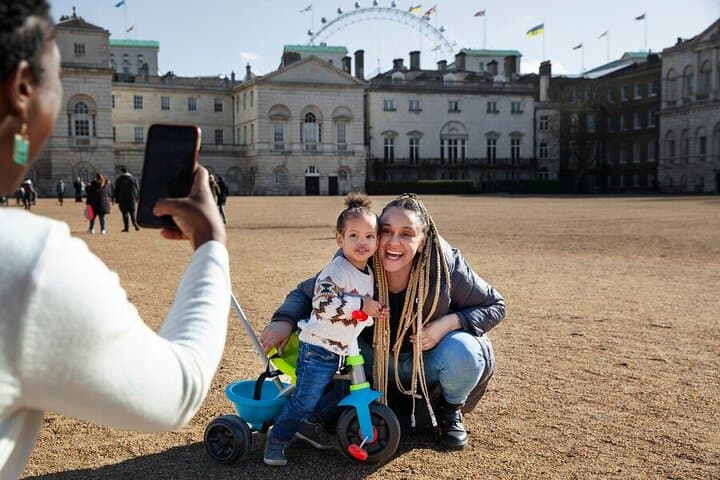
You step from a tram into a small plaza where the stone underfoot shifts from tram-track grit to worn cobble and the Franciscan Church’s tower draws the eye like a compass.
You step from a tram into a small plaza where the stone underfoot shifts from tram-track grit to worn cobble and the Franciscan Church’s tower draws the eye like a compass.
This compact walking tour threads through Cluj-Napoca’s downtown: a 13th‑century Franciscan Temple whose quiet nave still holds layered frescoes, the Gothic-Renaissance spire of Saint Michael’s Cathedral with its statue of King Matthias (Matei Corvin), the academic gravitas of Babeș‑Bolyai University, and the open markets and merchant façades of Union Square and Piața Avram Iancu.
Geology here is subtle—limestone and brick façades polished by centuries of wind and foot traffic—while the city’s cultural story moves from medieval Saxon and Hungarian influences to Romanian national revival expressed in statues and plazas.
A guided two‑hour route keeps the pace steady: short stops at major monuments, context from an English‑speaking guide, and optional detours to university courtyards. Expect mostly flat, paved streets with brief stair sections around church entrances; wheelchair and stroller access is available on the main line.
Practical edge: go early to avoid tour overlap and afternoon crowds, and pair the route with a café break in Piața Mihai Viteazu. Wear gripped walking shoes for cobbles, carry a small bottle of water, and bring a charged phone—there are excellent photo angles but limited plug access on the route.
This tour is compact, historically rich, and adaptable—ideal for first‑time visitors who want an efficient, narrated introduction to Cluj’s urban core.