THE ADVENTURE COLLECTIVE® · Independent discovery and booking for outdoor travel

Meet llamas, alpacas, pygora goats and mini donkeys on a guided, hour-long farm tour in the Catskills. Learn hands-on animal care, fiber basics, and local farm culture while enjoying accessible pastures and family-friendly programming.
Meet llamas, alpacas, pygora goats and mini donkeys on a guided, hour-long farm tour in the Catskills. Learn hands-on animal care, fiber basics, and local farm culture while enjoying accessible pastures and family-friendly programming.
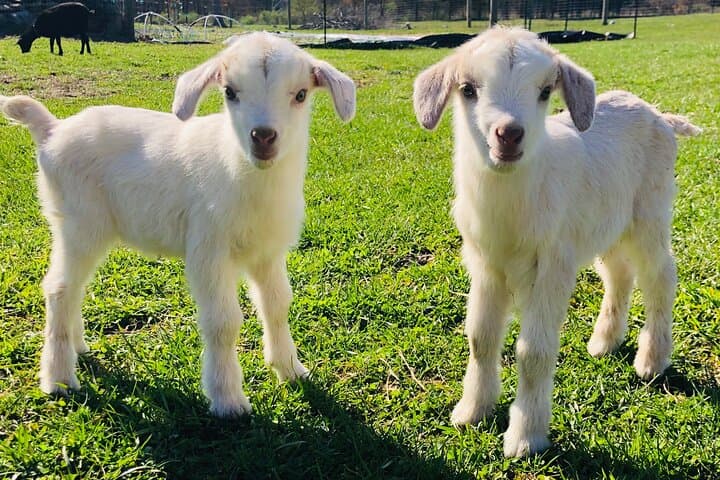
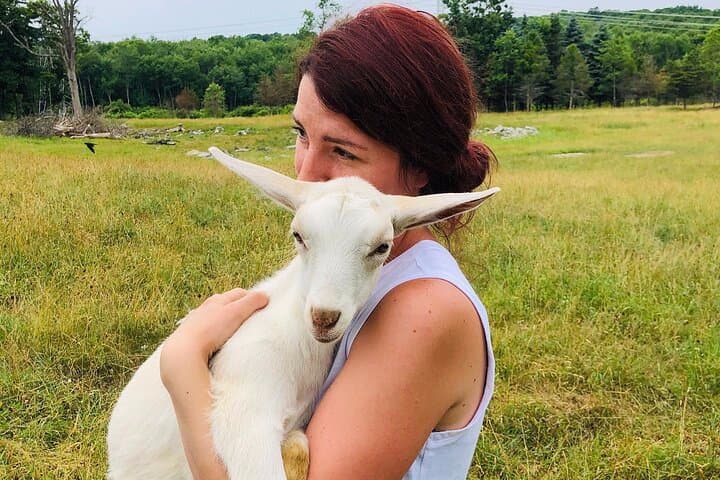
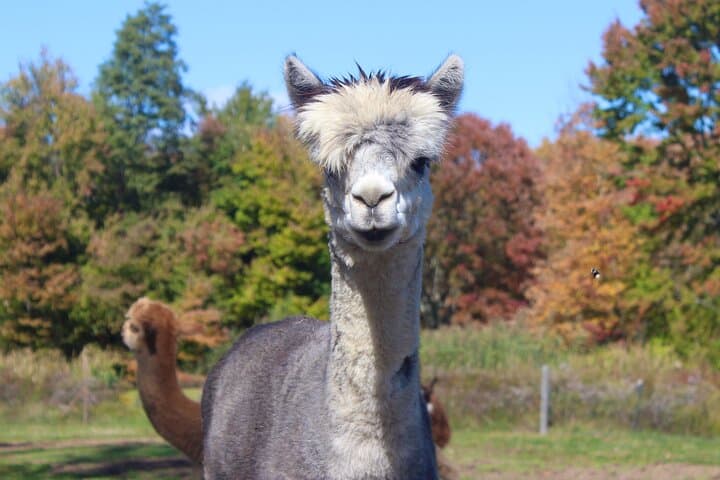
Sunlight filters through maples as visitors gather outside a low barn on a Catskills hillside. Guide in hand, the group steps into pasture where llamas lift their heads like watchful hosts and pygora goats sidle forward, curious. The air smells faintly of hay and wool; the clamber of hooves and the soft hum of animal breath set a steady, tactile tempo.
Verified experiences and guided adventures in the surrounding area.
Operated by Clover Brooke Farm, Hyde Park NY · Kingston, New York
Sunlight filters through maples as visitors gather outside a low barn on a Catskills hillside. Guide in hand, the group steps into pasture where llamas lift their heads like watchful hosts and pygora goats sidle forward, curious. The air smells faintly of hay and wool; the clamber of hooves and the soft hum of animal breath set a steady, tactile tempo.
This farm sits within the working-agricultural tradition of the Catskills, an upland region carved by glaciers and fed by streams that still push through shale and sandstone. Alpacas and llamas—South American camelids—are here for fiber and education; their presence links modern hobby farming to centuries of textile craft. Local culture favors small-scale stewardship: seasonal fairs, fiber arts, and roadside maple stands remain common.
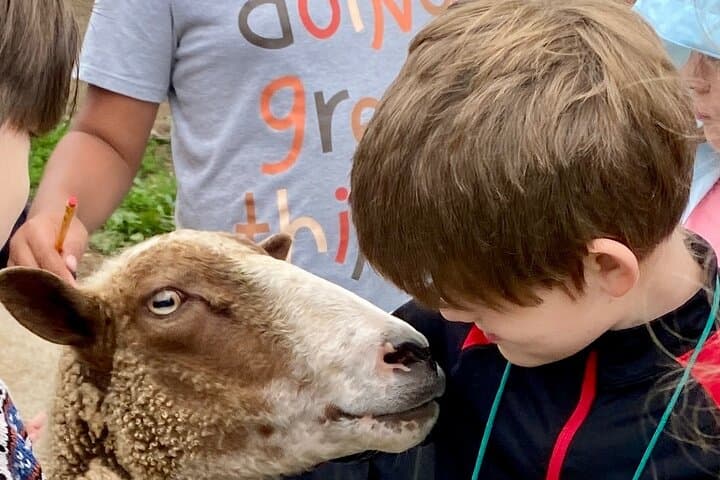
On the tour, hosts discuss animal histories, safe handling, and ethical interaction—what to feed, how to approach, and why herd structure matters. Expect up-close demonstrations, a chance to pet fleece, and quick lessons on shearing, fiber uses, and goat personalities. Children and adults alike learn respectful boundaries and simple animal husbandry basics.
Practical notes: tours run about an hour, meet at the farm store by the parking lot, and are wheelchair-friendly. Wear closed-toe shoes and a weather layer; farms are muddy after rain. Hydrate, keep phones secure, and follow staff directions when entering stalls. The visit rewards curiosity: you leave with a pin, a clearer sense of where fiber comes from, and a quieter pulse from time spent close to animals and the land that supports them.
easy.
1 hour.
Suitable for most ages and basic mobility levels; minimal walking on uneven ground.
The tour lasts approximately 60 minutes and begins at the farm store adjacent to the parking lot.
Yes—tours are family-friendly and accessible for infants in strollers; children should be supervised around animals.
Feeding rules vary; follow staff directions—some foods can harm certain animals and feeding is often controlled or limited to designated items.
Yes, the farm indicates wheelchair accessibility for the tour route and transportation options.
Small-scale livestock and fiber operations in the Catskills build on 19th-century pastoral farming and a regional tradition of craft textiles.
The farm emphasizes responsible interaction and education; visitors are encouraged to respect enclosures, avoid leaving waste, and support local agriculture through purchases.
Clover Brooke Farm, Hyde Park NY operates guided outdoor trips and adventures with an emphasis on safety, stewardship, and memorable experiences.
Sunlight filters through maples as visitors gather outside a low barn on a Catskills hillside. Guide in hand, the group steps into pasture where llamas lift their heads like watchful hosts and pygora goats sidle forward, curious. The air smells faintly of hay and wool; the clamber of hooves and the soft hum of animal breath set a steady, tactile tempo.
Sunlight filters through maples as visitors gather outside a low barn on a Catskills hillside. Guide in hand, the group steps into pasture where llamas lift their heads like watchful hosts and pygora goats sidle forward, curious. The air smells faintly of hay and wool; the clamber of hooves and the soft hum of animal breath set a steady, tactile tempo.
This farm sits within the working-agricultural tradition of the Catskills, an upland region carved by glaciers and fed by streams that still push through shale and sandstone. Alpacas and llamas—South American camelids—are here for fiber and education; their presence links modern hobby farming to centuries of textile craft. Local culture favors small-scale stewardship: seasonal fairs, fiber arts, and roadside maple stands remain common.
On the tour, hosts discuss animal histories, safe handling, and ethical interaction—what to feed, how to approach, and why herd structure matters. Expect up-close demonstrations, a chance to pet fleece, and quick lessons on shearing, fiber uses, and goat personalities. Children and adults alike learn respectful boundaries and simple animal husbandry basics.
Practical notes: tours run about an hour, meet at the farm store by the parking lot, and are wheelchair-friendly. Wear closed-toe shoes and a weather layer; farms are muddy after rain. Hydrate, keep phones secure, and follow staff directions when entering stalls. The visit rewards curiosity: you leave with a pin, a clearer sense of where fiber comes from, and a quieter pulse from time spent close to animals and the land that supports them.