THE ADVENTURE COLLECTIVE® · Independent discovery and booking for outdoor travel

Spend a day above Quito at Antisana Volcano watching Andean condors wheel from cliff roosts, hike to glacial Mica Lake, and spot high‑altitude waterfowl. This accessible day trip combines short hikes, wildlife viewing, and local lunch on the eastern slopes of the Ecuadorian Andes.
Spend a day above Quito at Antisana Volcano watching Andean condors wheel from cliff roosts, hike to glacial Mica Lake, and spot high‑altitude waterfowl. This accessible day trip combines short hikes, wildlife viewing, and local lunch on the eastern slopes of the Ecuadorian Andes.
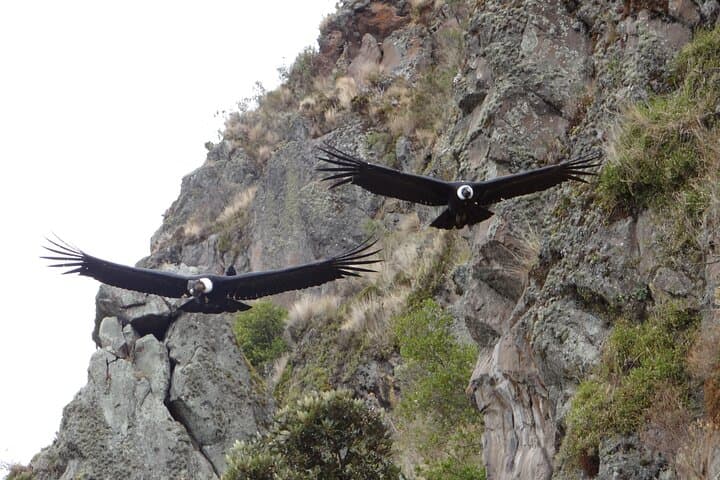
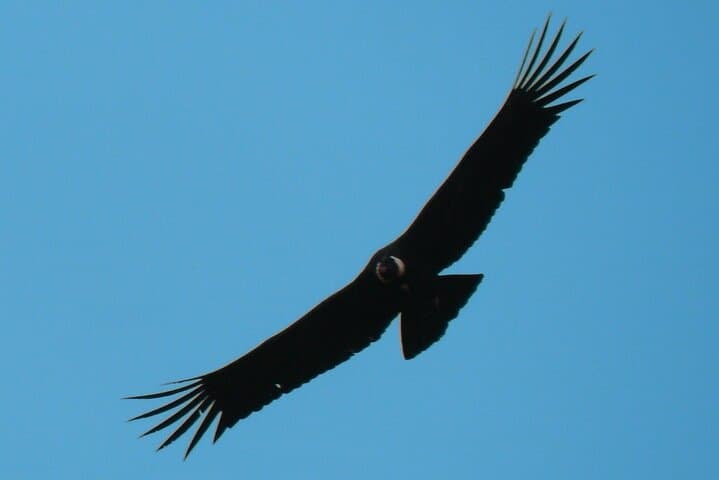
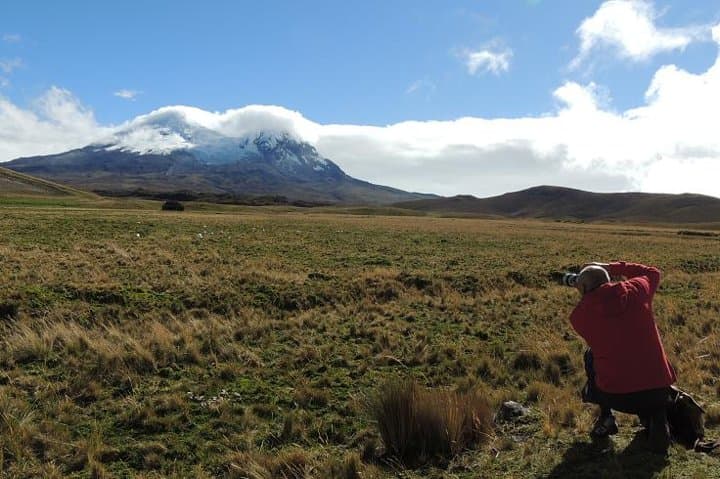
You step out of the van into a thin, cold air that seems to push and prod you uphill. The Antisana massif looms ahead: a near-perfect volcanic cone stitched with old glacial scars and a pale line of snow. Wind combs the high páramo, and ridges call the eye toward sheer cliffs where condors wheel, patient and enormous.
Verified experiences and guided adventures in the surrounding area.
Operated by Ecuador Best Tours · Quito, Pichincha
You step out of the van into a thin, cold air that seems to push and prod you uphill. The Antisana massif looms ahead: a near-perfect volcanic cone stitched with old glacial scars and a pale line of snow. Wind combs the high páramo, and ridges call the eye toward sheer cliffs where condors wheel, patient and enormous.
Antisana is the fourth-highest volcano in Ecuador (5,753 m / 18,874 ft) and part of a chain shaped by the Andean orogeny and repeated glaciations. The reserve’s Mica Lake is a glacial remnant at roughly 4,050 m, supporting waterfowl found only here and in southern Chile. Local highland communities around Pintag and Isco have long lived with these landscapes, tending llama herds and sustaining hummingbird-rich gardens near roadside eateries.
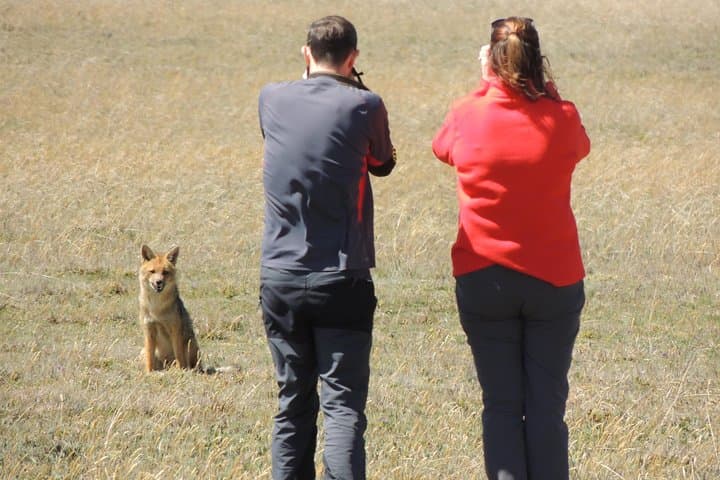
Expect a day that mixes slow drives through the eastern cordillera with short hikes across tussock grass and volcanic scree, guided by naturalists who know condor roosting cliffs and the best viewing blinds. Wildlife sightings can include Andean condors, caracaras, foxes, and specialized aquatic birds at the lake.
Practical guidance: start early (pickup around 7:00 a.m.), dress in layers for 9–18°C conditions, bring binoculars and a camera with a telephoto lens, and plan for altitude—moderate exertion at high elevation. A warm, windproof outer layer and sturdy footwear will make viewing from exposed cliff edges comfortable.
This is a full-day outing from Quito best suited to visitors who want accessible high-Andes wildlife viewing with reliable guides and a taste of rural Andean culture.
moderate.
7–8 hours.
Light-to-moderate fitness; able to walk on uneven, high-elevation terrain for up to two hours total and handle short steep sections.
Antisana Reserve is roughly 60 km southeast of Quito; drive time is about 1.5–2 hours each way depending on traffic and road conditions.
Condors are commonly observed in Antisana, especially at known cliffs and roosting sites, but sightings are not guaranteed—weather and bird movement affect visibility.
The day trip includes short hikes and some uneven ground; parts are wheelchair accessible (vehicle-based viewing), but participants should discuss mobility needs with the operator when booking.
Yes—travel insurance covering medical evacuation is recommended, and travelers should be prepared for altitude-related symptoms and carry any personal medications.
Antisana’s volcanic shape and glacial valleys were formed during the Pleistocene; indigenous highland communities have interacted with these landscapes for centuries.
The Antisana Ecological Reserve protects fragile páramo ecosystems and endemic birds; visitors should stick to trails, pack out waste, and minimize disturbance to nesting cliffs.
Ecuador Best Tours operates guided outdoor trips and adventures with an emphasis on safety, stewardship, and memorable experiences.
You step out of the van into a thin, cold air that seems to push and prod you uphill. The Antisana massif looms ahead: a near-perfect volcanic cone stitched with old glacial scars and a pale line of snow. Wind combs the high páramo, and ridges call the eye toward sheer cliffs where condors wheel, patient and enormous.
You step out of the van into a thin, cold air that seems to push and prod you uphill. The Antisana massif looms ahead: a near-perfect volcanic cone stitched with old glacial scars and a pale line of snow. Wind combs the high páramo, and ridges call the eye toward sheer cliffs where condors wheel, patient and enormous.
Antisana is the fourth-highest volcano in Ecuador (5,753 m / 18,874 ft) and part of a chain shaped by the Andean orogeny and repeated glaciations. The reserve’s Mica Lake is a glacial remnant at roughly 4,050 m, supporting waterfowl found only here and in southern Chile. Local highland communities around Pintag and Isco have long lived with these landscapes, tending llama herds and sustaining hummingbird-rich gardens near roadside eateries.
Expect a day that mixes slow drives through the eastern cordillera with short hikes across tussock grass and volcanic scree, guided by naturalists who know condor roosting cliffs and the best viewing blinds. Wildlife sightings can include Andean condors, caracaras, foxes, and specialized aquatic birds at the lake.
Practical guidance: start early (pickup around 7:00 a.m.), dress in layers for 9–18°C conditions, bring binoculars and a camera with a telephoto lens, and plan for altitude—moderate exertion at high elevation. A warm, windproof outer layer and sturdy footwear will make viewing from exposed cliff edges comfortable.
This is a full-day outing from Quito best suited to visitors who want accessible high-Andes wildlife viewing with reliable guides and a taste of rural Andean culture.