THE ADVENTURE COLLECTIVE® · Independent discovery and booking for outdoor travel

Climb into the spruce-fir crown of the Smokies on a guided hike to Clingmans Dome. Learn high-elevation ecology and history while ascending to the 6,643‑ft observation tower for wide southern Appalachian views.
Climb into the spruce-fir crown of the Smokies on a guided hike to Clingmans Dome. Learn high-elevation ecology and history while ascending to the 6,643‑ft observation tower for wide southern Appalachian views.
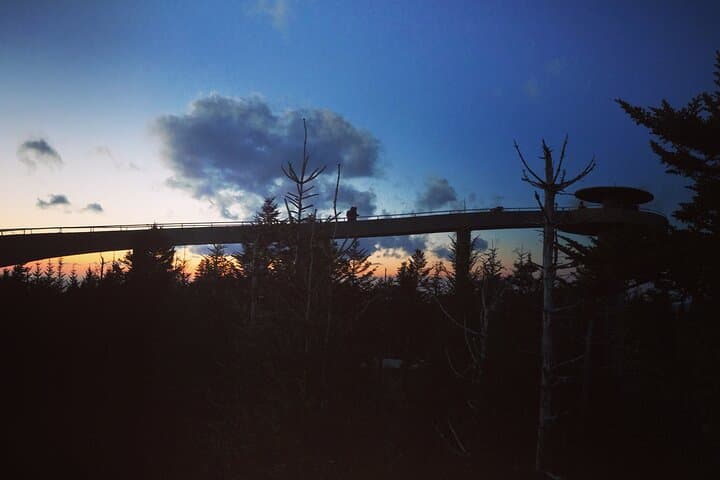
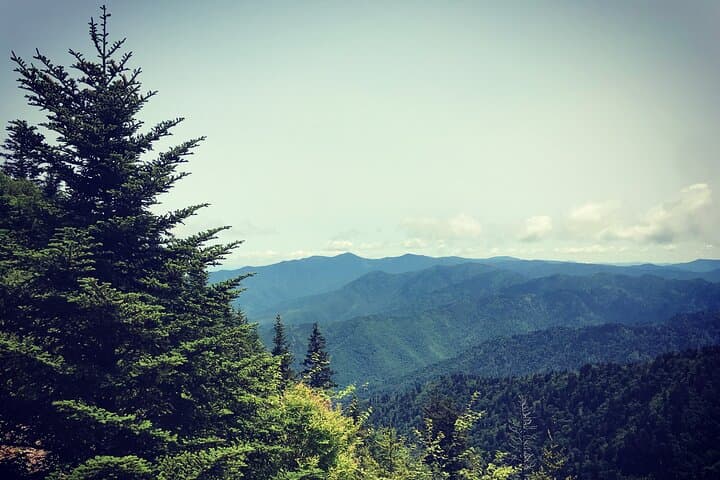
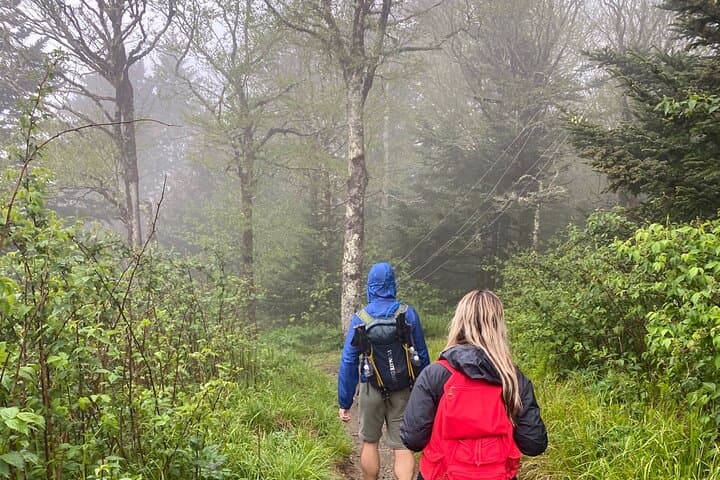
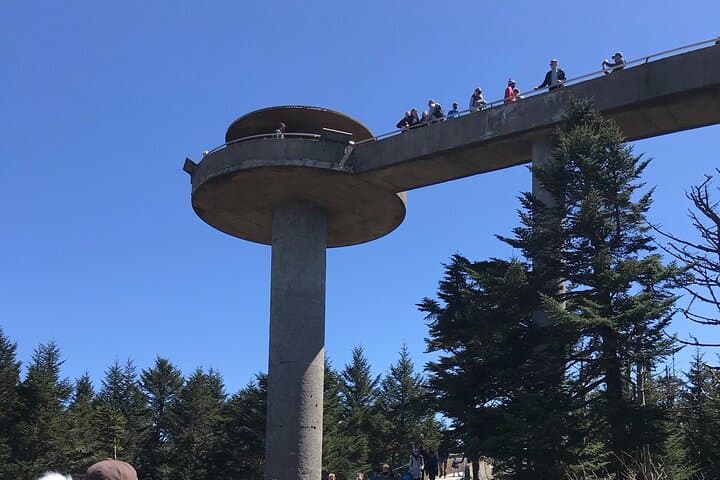
A damp spruce-fir ridge opens as you step from the parking pullout and the air thins; wind pushes through the trees like a measured challenge. The guide moves deliberately, pointing out tiny alpine plants cupping moisture, while the Appalachian Trail threads upward toward the concrete observation tower at 6,643 feet. At the tower rim, the Great Smokies spread in layered blue ridgelines, the valleys folding away beneath a slow, patient sky.
Verified experiences and guided adventures in the surrounding area.
Operated by Smoky Mountain Guides · Gatlinburg, Tennessee
A damp spruce-fir ridge opens as you step from the parking pullout and the air thins; wind pushes through the trees like a measured challenge. The guide moves deliberately, pointing out tiny alpine plants cupping moisture, while the Appalachian Trail threads upward toward the concrete observation tower at 6,643 feet. At the tower rim, the Great Smokies spread in layered blue ridgelines, the valleys folding away beneath a slow, patient sky.
This summit sits on ancient folded rock of the southern Appalachians and carries a human story—Cherokee routes once traced these ridges and later 19th-century explorers and loggers gave way to national-park protection. The high-elevation spruce-fir zone here supports species found nowhere else in the region and has been threatened by invasive insects; guides often discuss those conservation challenges as part of the interpretive walk.
Expect a steady, sometimes steep mountain hike on forested singletrack and sections of the Appalachian Trail; the guide’s route avoids the busiest viewpoints so you’ll reach the tower with fewer crowds. Practical notes: the program runs about four hours including a scenic 45-minute drive from Gatlinburg to the trailhead; prepare for quick weather shifts, cooler temperatures at elevation, and rocky, root-strewn terrain underfoot. Bring layered clothing, sufficient water, sturdy boots, and a GSMNP parking pass—rangers enforce it. If you move at a moderate pace, the hike rewards with high-elevation ecology talks, sweeping vistas from the tower, and a close-up look at the Smokies’ weather and forests.
moderate.
4 hours.
Moderate fitness—comfortable with steady uphill walking, occasional steep sections, and high-elevation exposure.
The hike is rated moderate—expect steady uphill walking with some steep stretches; altitude and cooler temperatures make the effort feel harder than equivalent lowland hikes.
Yes. A Great Smoky Mountains National Park parking pass is required for trailhead parking; buy one online or at park stations before arrival.
Guiding, interpretive information, bottled water and snacks are included; guests drive their own vehicles from the meeting point to the trailhead.
Children who can hike several miles at a steady pace may do fine with supervision; the operator notes it’s not recommended for travelers with poor cardiovascular health—check with guides if you have medical concerns.
Clingmans Dome is named for 19th-century statesman Thomas Clingman; the area was traversed by Cherokee people and later impacted by logging before federal protection created the park.
High-elevation Fraser firs have been severely affected by the balsam woolly adelgid; park staff and volunteers run restoration and monitoring programs to protect fragile summit ecosystems.
Smoky Mountain Guides operates guided outdoor trips and adventures with an emphasis on safety, stewardship, and memorable experiences.
A damp spruce-fir ridge opens as you step from the parking pullout and the air thins; wind pushes through the trees like a measured challenge. The guide moves deliberately, pointing out tiny alpine plants cupping moisture, while the Appalachian Trail threads upward toward the concrete observation tower at 6,643 feet. At the tower rim, the Great Smokies spread in layered blue ridgelines, the valleys folding away beneath a slow, patient sky.
A damp spruce-fir ridge opens as you step from the parking pullout and the air thins; wind pushes through the trees like a measured challenge. The guide moves deliberately, pointing out tiny alpine plants cupping moisture, while the Appalachian Trail threads upward toward the concrete observation tower at 6,643 feet. At the tower rim, the Great Smokies spread in layered blue ridgelines, the valleys folding away beneath a slow, patient sky.
This summit sits on ancient folded rock of the southern Appalachians and carries a human story—Cherokee routes once traced these ridges and later 19th-century explorers and loggers gave way to national-park protection. The high-elevation spruce-fir zone here supports species found nowhere else in the region and has been threatened by invasive insects; guides often discuss those conservation challenges as part of the interpretive walk.
Expect a steady, sometimes steep mountain hike on forested singletrack and sections of the Appalachian Trail; the guide’s route avoids the busiest viewpoints so you’ll reach the tower with fewer crowds. Practical notes: the program runs about four hours including a scenic 45-minute drive from Gatlinburg to the trailhead; prepare for quick weather shifts, cooler temperatures at elevation, and rocky, root-strewn terrain underfoot. Bring layered clothing, sufficient water, sturdy boots, and a GSMNP parking pass—rangers enforce it. If you move at a moderate pace, the hike rewards with high-elevation ecology talks, sweeping vistas from the tower, and a close-up look at the Smokies’ weather and forests.