THE ADVENTURE COLLECTIVE® · Independent discovery and booking for outdoor travel

Skip the cable car and take the trail to Sugarloaf Mountain’s summit, an adventure that blends hiking with easy climbing. Experience panoramic views of Rio de Janeiro’s coastline and the city’s skyline on this historic, physically engaging route.
Skip the cable car and take the trail to Sugarloaf Mountain’s summit, an adventure that blends hiking with easy climbing. Experience panoramic views of Rio de Janeiro’s coastline and the city’s skyline on this historic, physically engaging route.
Sugarloaf Mountain rises sharply from the waters of Guanabara Bay, its smooth granite surface daring climbers to trace a path once carved by early explorers. This 396-meter (1,299 ft) peak, often viewed from a cable car, reveals a different face on the trail that snakes upward, blending hiking with easy climbing — a route first conquered in 1817 by the Englishwoman Henrietta Carstairs. Today, adventurers can follow in her footsteps for an afternoon climb shaded by the late-day sun, dodging the fierce heat common during mornings.
Verified experiences and guided adventures in the surrounding area.
Operated by Tocorime Tour · Rio de Janeiro, Rio de Janeiro
Sugarloaf Mountain rises sharply from the waters of Guanabara Bay, its smooth granite surface daring climbers to trace a path once carved by early explorers. This 396-meter (1,299 ft) peak, often viewed from a cable car, reveals a different face on the trail that snakes upward, blending hiking with easy climbing — a route first conquered in 1817 by the Englishwoman Henrietta Carstairs. Today, adventurers can follow in her footsteps for an afternoon climb shaded by the late-day sun, dodging the fierce heat common during mornings.
The journey begins near Av. Pasteur in Rio de Janeiro’s Urca neighborhood, accessible by bus or a quick Uber ride from Botafogo. A short, gentle stroll along the Pista Cláudio Coutinho footpath welcomes you with sweeping views of Sugarloaf and the adjacent natural park. Soon, the terrain shifts to a dirt trail embedded with granite rocks, leading to a rocky cliff where Guanabara Bay unfolds beneath you and the distant mountain range frames the cityscape.
Technical but not extreme, the climb requires basic scrambling skills paired with safety gear equipped by certified guides trained in wilderness first aid. After tackling the steepest section one-by-one, the trail eases as you reach Pedra Filosofal, a viewpoint offering stunning panoramas of Leme and Copacabana beaches alongside Rio's jagged skyline. The final push to Sugarloaf’s summit rewards climbers with a serene vantage point, perfect for a pause with fresh coconut water and a snack, while the Atlantic breeze cools the efforted body.
Descending via cable car to Morro da Urca, followed by a short trail back to the start, provides a relaxed conclusion. The entire experience lasts roughly 3 to 4 hours, inviting those with a moderate to advanced fitness level to engage fully with Rio’s iconic landscape.
This trail honors centuries of history and geology—the granite monolith shaped by ancient erosion and steeped in local lore. Environmentally, the park maintains strict conservation efforts to protect native flora and fauna, with regulated trail use minimizing human impact.
Plan this climb for afternoons to avoid heat exhaustion, wear sturdy shoes for varied rock and dirt terrain, and bring water to stay hydrated. Public transit options nearby make access straightforward, while the guided trek ensures safety in this physically demanding but immensely rewarding trek up one of Brazil’s most famous natural landmarks.
challenging.
3–4 hours.
Participants should have good fitness and some experience with scrambling or easy rock climbing.
No technical climbing experience is required, but a basic comfort with scrambling and exposure is important.
Afternoons are preferred because the trail is mostly shaded, reducing heat risk and making the hike more comfortable.
Yes, all participants receive certified climbing gear and are accompanied by guides trained in wilderness first aid.
The trek is considered challenging due to sections of rock scrambling and physical demand over about 3 to 4 hours.
This tour is recommended for physically fit adults; infants and children are not advised due to safety and difficulty.
The starting point is reachable by bus from Botafogo metro station or by Uber to Av. Pasteur 493 in the Urca neighborhood.
Sugarloaf was first climbed in 1817 by Henrietta Carstairs, marking one of Brazil’s earliest recorded mountaineering feats.
The natural park surrounding Sugarloaf is protected with controlled access to limit erosion and preserve native species.
Tocorime Tour operates guided outdoor trips and adventures with an emphasis on safety, stewardship, and memorable experiences.


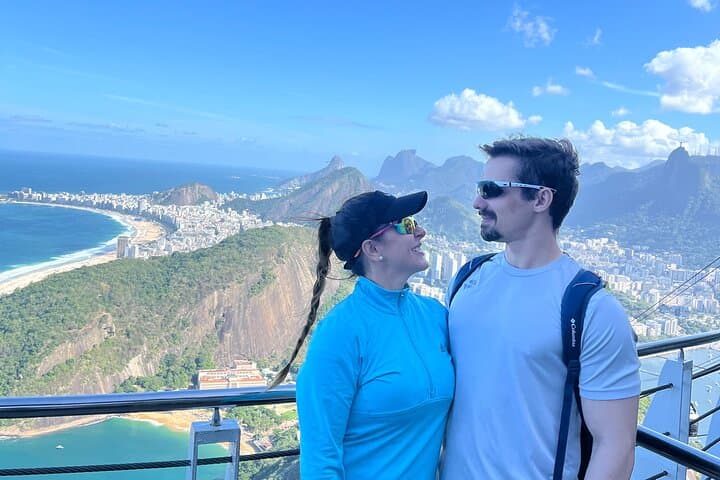
Sugarloaf Mountain rises sharply from the waters of Guanabara Bay, its smooth granite surface daring climbers to trace a path once carved by early explorers. This 396-meter (1,299 ft) peak, often viewed from a cable car, reveals a different face on the trail that snakes upward, blending hiking with easy climbing — a route first conquered in 1817 by the Englishwoman Henrietta Carstairs. Today, adventurers can follow in her footsteps for an afternoon climb shaded by the late-day sun, dodging the fierce heat common during mornings.
Sugarloaf Mountain rises sharply from the waters of Guanabara Bay, its smooth granite surface daring climbers to trace a path once carved by early explorers. This 396-meter (1,299 ft) peak, often viewed from a cable car, reveals a different face on the trail that snakes upward, blending hiking with easy climbing — a route first conquered in 1817 by the Englishwoman Henrietta Carstairs. Today, adventurers can follow in her footsteps for an afternoon climb shaded by the late-day sun, dodging the fierce heat common during mornings.
The journey begins near Av. Pasteur in Rio de Janeiro’s Urca neighborhood, accessible by bus or a quick Uber ride from Botafogo. A short, gentle stroll along the Pista Cláudio Coutinho footpath welcomes you with sweeping views of Sugarloaf and the adjacent natural park. Soon, the terrain shifts to a dirt trail embedded with granite rocks, leading to a rocky cliff where Guanabara Bay unfolds beneath you and the distant mountain range frames the cityscape.
Technical but not extreme, the climb requires basic scrambling skills paired with safety gear equipped by certified guides trained in wilderness first aid. After tackling the steepest section one-by-one, the trail eases as you reach Pedra Filosofal, a viewpoint offering stunning panoramas of Leme and Copacabana beaches alongside Rio's jagged skyline. The final push to Sugarloaf’s summit rewards climbers with a serene vantage point, perfect for a pause with fresh coconut water and a snack, while the Atlantic breeze cools the efforted body.
Descending via cable car to Morro da Urca, followed by a short trail back to the start, provides a relaxed conclusion. The entire experience lasts roughly 3 to 4 hours, inviting those with a moderate to advanced fitness level to engage fully with Rio’s iconic landscape.
This trail honors centuries of history and geology—the granite monolith shaped by ancient erosion and steeped in local lore. Environmentally, the park maintains strict conservation efforts to protect native flora and fauna, with regulated trail use minimizing human impact.
Plan this climb for afternoons to avoid heat exhaustion, wear sturdy shoes for varied rock and dirt terrain, and bring water to stay hydrated. Public transit options nearby make access straightforward, while the guided trek ensures safety in this physically demanding but immensely rewarding trek up one of Brazil’s most famous natural landmarks.