THE ADVENTURE COLLECTIVE® · Independent discovery and booking for outdoor travel

Mountain Taygetos, the highest peak in the Peloponnese, offers an invigorating climb from Sparta with stunning views over the Messinian Bay. Whether on the longer path from Maganiari spring or the shorter route from the Sparta shelter, hikers navigate diverse terrain and immerse in the mountain’s natural and cultural history.
Mountain Taygetos, the highest peak in the Peloponnese, offers an invigorating climb from Sparta with stunning views over the Messinian Bay. Whether on the longer path from Maganiari spring or the shorter route from the Sparta shelter, hikers navigate diverse terrain and immerse in the mountain’s natural and cultural history.
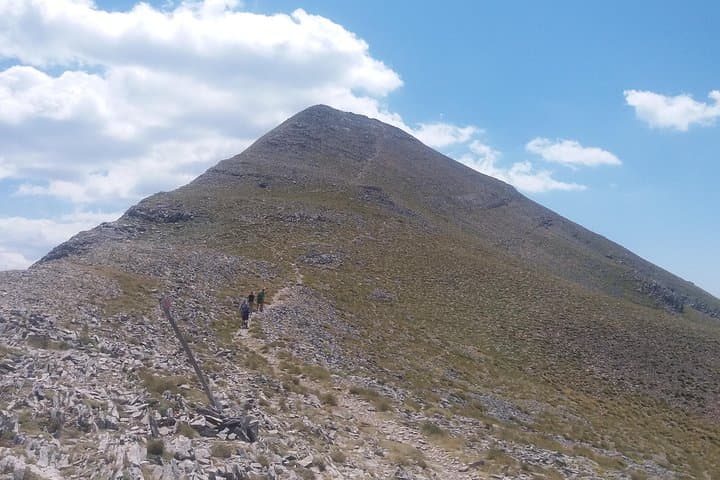
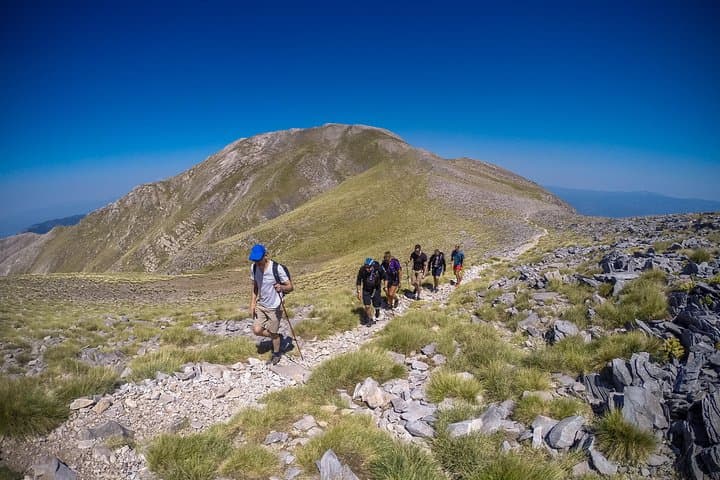
Rising sharply above the Peloponnese, Mountain Taygetos crowns the southern Greek landscape at 2,407 meters. The day begins before dawn in Sparta, where the quiet town stirs with anticipation. From the Sparta shelter, the adventure forks: a shorter route launches just outside the refuge, while the longer trek kicks off from the Maganiari spring at 980 meters. The longer path cradles you in lush vegetation that shifts as you ascend—wildflowers and resilient shrubs framing your steps until rocky terrain takes over.
Verified experiences and guided adventures in the surrounding area.
Operated by Climb Up · Sparta, Peloponnese
Rising sharply above the Peloponnese, Mountain Taygetos crowns the southern Greek landscape at 2,407 meters. The day begins before dawn in Sparta, where the quiet town stirs with anticipation. From the Sparta shelter, the adventure forks: a shorter route launches just outside the refuge, while the longer trek kicks off from the Maganiari spring at 980 meters. The longer path cradles you in lush vegetation that shifts as you ascend—wildflowers and resilient shrubs framing your steps until rocky terrain takes over.
The mountain wears its geology openly: ancient limestone cliffs and rugged outcrops map the transition from forested foothills to stark alpine zones. This natural boundary carries both mystery and challenge. Near the Varvara spot at 1,550 meters, hikers leave the Laconian slopes behind, stepping into a sparser environment where the air thins and the views widen.
Along the climb, fauna like mountain goats and elusive birds add life to the rocky passages, daring you to observe quietly. The break in vegetation signals the approach to the summit’s crown—a distinctive, roofless chapel dedicated to Prophet Elija, set like a beacon atop a pyramid-shaped outcrop. From here, the Messinian Bay stretches below, a sweeping panorama of sea meeting land compelling enough to pause and drink in the silence.
Historically, Taygetos looms large in Spartan culture, its ridges guarding stories of ancient warriors and legendary epics etched into the rugged land. Today, it offers a rugged wilderness experience that blends physical demand with rewarding vistas.
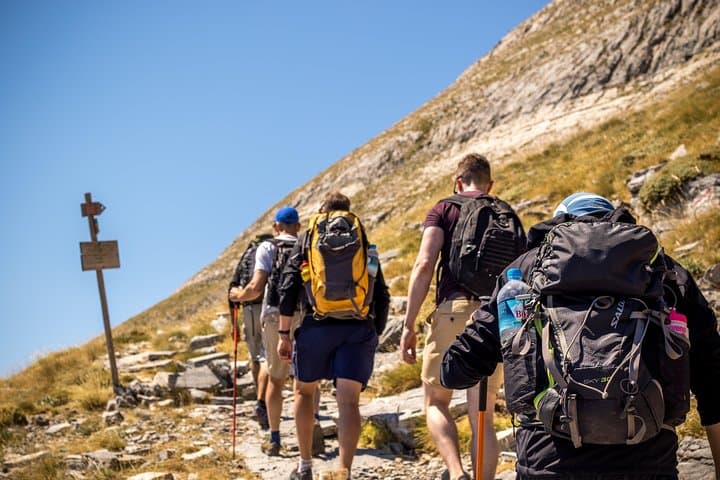
Practical details shape the climb. The full day's trek takes roughly six hours, covering substantial elevation gain from 980 to 2,407 meters. Expect changing terrain—from rocky paths to steep scree—requiring sturdy footwear and steady footing. Hydration is essential; the mountain’s dry Mediterranean climate can dehydrate quickly under the midday sun.
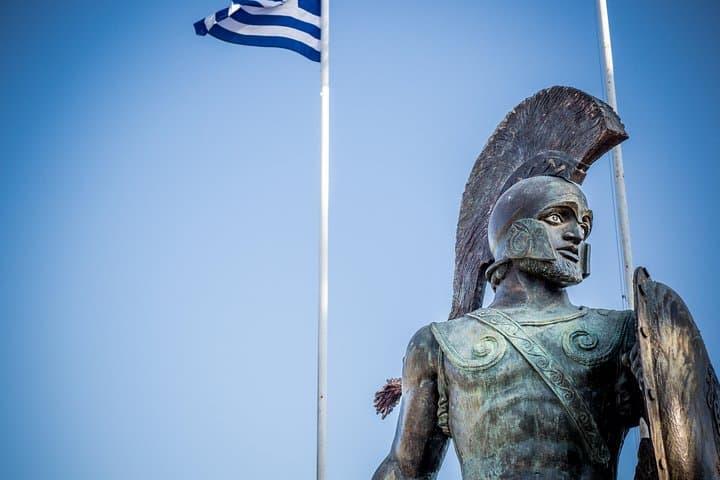
Plan to start early to avoid afternoon heat and afternoon winds, and pack layers to accommodate shifting mountain temperatures. Guides lead groups, ensuring navigation through marked trails and points of interest, including the Leonidas Monument just outside Sparta—a cultural pit stop linking past and present.
Whether choosing the shorter or longer route, climbing Taygetos demands moderate fitness and a readiness to meet the mountain's evolving character. It’s an accessible yet earnest climb, rewarding outdoor enthusiasts with commanding views and a palpable connection to Greece’s mountainous heritage.
moderate.
5–7 hours.
Good aerobic fitness recommended to handle steady elevation gain and rocky terrain.
While not mandatory, guides are recommended for navigation, safety, and local insights, especially on longer routes.
Spring through early autumn offers the most favorable weather; winters are colder and snow can make trails hazardous.
Water is available at the Maganiari spring on the longer route, but it’s advised to carry sufficient water for the entire hike.
The hike is moderate to challenging due to elevation gain and terrain; hikers should be comfortable with climbs lasting several hours.
The minimum age is 12, and children should be accompanied by an adult with proper hiking experience.
Coverage may be intermittent; it’s best not to rely solely on mobile phones for navigation or emergency communication.
Taygetos has been central to Spartan identity, its summits historically serving as natural borders and sacred sites.
Local efforts focus on preserving native flora and preventing erosion by managing trail traffic and promoting responsible hiking.
Climb Up operates guided outdoor trips and adventures with an emphasis on safety, stewardship, and memorable experiences.
Rising sharply above the Peloponnese, Mountain Taygetos crowns the southern Greek landscape at 2,407 meters. The day begins before dawn in Sparta, where the quiet town stirs with anticipation. From the Sparta shelter, the adventure forks: a shorter route launches just outside the refuge, while the longer trek kicks off from the Maganiari spring at 980 meters. The longer path cradles you in lush vegetation that shifts as you ascend—wildflowers and resilient shrubs framing your steps until rocky terrain takes over.
Rising sharply above the Peloponnese, Mountain Taygetos crowns the southern Greek landscape at 2,407 meters. The day begins before dawn in Sparta, where the quiet town stirs with anticipation. From the Sparta shelter, the adventure forks: a shorter route launches just outside the refuge, while the longer trek kicks off from the Maganiari spring at 980 meters. The longer path cradles you in lush vegetation that shifts as you ascend—wildflowers and resilient shrubs framing your steps until rocky terrain takes over.
The mountain wears its geology openly: ancient limestone cliffs and rugged outcrops map the transition from forested foothills to stark alpine zones. This natural boundary carries both mystery and challenge. Near the Varvara spot at 1,550 meters, hikers leave the Laconian slopes behind, stepping into a sparser environment where the air thins and the views widen.
Along the climb, fauna like mountain goats and elusive birds add life to the rocky passages, daring you to observe quietly. The break in vegetation signals the approach to the summit’s crown—a distinctive, roofless chapel dedicated to Prophet Elija, set like a beacon atop a pyramid-shaped outcrop. From here, the Messinian Bay stretches below, a sweeping panorama of sea meeting land compelling enough to pause and drink in the silence.
Historically, Taygetos looms large in Spartan culture, its ridges guarding stories of ancient warriors and legendary epics etched into the rugged land. Today, it offers a rugged wilderness experience that blends physical demand with rewarding vistas.
Practical details shape the climb. The full day's trek takes roughly six hours, covering substantial elevation gain from 980 to 2,407 meters. Expect changing terrain—from rocky paths to steep scree—requiring sturdy footwear and steady footing. Hydration is essential; the mountain’s dry Mediterranean climate can dehydrate quickly under the midday sun.
Plan to start early to avoid afternoon heat and afternoon winds, and pack layers to accommodate shifting mountain temperatures. Guides lead groups, ensuring navigation through marked trails and points of interest, including the Leonidas Monument just outside Sparta—a cultural pit stop linking past and present.
Whether choosing the shorter or longer route, climbing Taygetos demands moderate fitness and a readiness to meet the mountain's evolving character. It’s an accessible yet earnest climb, rewarding outdoor enthusiasts with commanding views and a palpable connection to Greece’s mountainous heritage.