THE ADVENTURE COLLECTIVE® · Independent discovery and booking for outdoor travel

Embark on a demanding multi-day climb of Mount Kazbegi, the iconic 5,054-meter peak in Georgia’s Caucasus range. This journey blends alpine challenge, ancient culture, and breathtaking panoramas accessible from Tbilisi.
Embark on a demanding multi-day climb of Mount Kazbegi, the iconic 5,054-meter peak in Georgia’s Caucasus range. This journey blends alpine challenge, ancient culture, and breathtaking panoramas accessible from Tbilisi.
At the edge of Georgia’s rugged Caucasus range, Mount Kazbegi looms with an austere presence: a snow-capped sentinel pushing skyward to 5,054 meters. The journey to its summit is not only a test of endurance but an immersion into a landscape where granite cliffs dare to crumble beneath alpine skies and ancient cultures linger in mountain villages.
Verified experiences and guided adventures in the surrounding area.
Operated by DenTour · Stepantsminda, Mtskheta-Mtianeti
At the edge of Georgia’s rugged Caucasus range, Mount Kazbegi looms with an austere presence: a snow-capped sentinel pushing skyward to 5,054 meters. The journey to its summit is not only a test of endurance but an immersion into a landscape where granite cliffs dare to crumble beneath alpine skies and ancient cultures linger in mountain villages.
Starting in Tbilisi, Georgia’s bustling capital nestled at 420 meters elevation, adventurers travel north along the historic Georgian Military Road. This route snakes through deep river gorges, past the shimmering Zhinvali Reservoir where water mirrors the shifting mountain light. Along the way, Ananuri Fortress stands watch, its centuries-old walls a reminder of regional defense and the home of the Eristavi princely family. Here, the white and black Aragvi rivers flirt and merge, their colors weaving together before rushing downstream.
From Stepantsminda, a village resting at 1,700 meters, the climb truly begins. Trekking to Juta at 2,200 meters serves as an acclimatization prologue before the ascent attempts. Off-road vehicles ferry climbers to Gergeti Trinity Church at 2,200 meters, where panoramic views give way to the real challenge: reaching the Kazbegi weather station at 3,653 meters, the base camp perched amid persistent winds and biting cold. Trekkers shoulder loads of water, a vital commodity they must carry for the climb ahead.
The ascent to Kazbegi’s peak is demanding: a 1,400-meter vertical push through rocky terrain and potential snowfields, often taking 8-9 hours upward and several hours descending. The climb demands endurance and cautious navigation as the mountain’s granite bones and alpine glaciers respond to climbers’ presence — some slopes may shift, while others beckon with silent grandeur.
Successful summit bids reward climbers with views stretching across borders, from Russia’s North Caucasus to Georgia’s verdant valleys below. Local guides enrich the experience with insights on the region’s history, from ancient battles to the spiritual significance of the Gergeti Church overlooking all.
A day reserved for rest or alternative explorations allows visits to nearby natural landmarks like the Gveleti waterfalls or the steaming geysers in Darial and Truso gorges. Returning through Stepantsminda and back to Tbilisi, travelers are reminded that this expedition is as much about cultural connection as it is alpine conquest.
Practical preparation is essential. The high altitude and variable weather require physical fitness, layered clothing, and reliable gear. Guides provide supportive expertise, but climbers should be ready for steep rocky trails and sudden shifts in conditions.
Mount Kazbegi is no mere peak. It is a durable challenge carved by millennia of geological forces and human history—waiting for those who come prepared to meet it eye to eye.
challenging.
8–10 days.
High level of cardiovascular fitness and endurance needed for sustained high-altitude trekking and climbing.
Prior mountaineering experience is helpful but not mandatory if you are physically fit and guided by experts.
Late spring to early fall offers the most stable weather, generally May through September.
Accommodation includes guesthouses and weather station stays; personal sleeping bags are recommended for the weather station night.
The ascent is challenging with significant elevation gain and rough terrain; good physical condition is essential.
Professional licensed guides are provided to assist throughout the expedition.
Yes, there is a reserve day in case of poor weather conditions delaying ascent.
The Gergeti Trinity Church overlooking Stepantsminda dates back to the 14th century and symbolizes Georgian national identity amid mountain isolation.
The Kazbegi region is part of the Kazbegi National Park, where efforts focus on preserving fragile alpine ecosystems amid increasing trekking tourism.
DenTour operates guided outdoor trips and adventures with an emphasis on safety, stewardship, and memorable experiences.

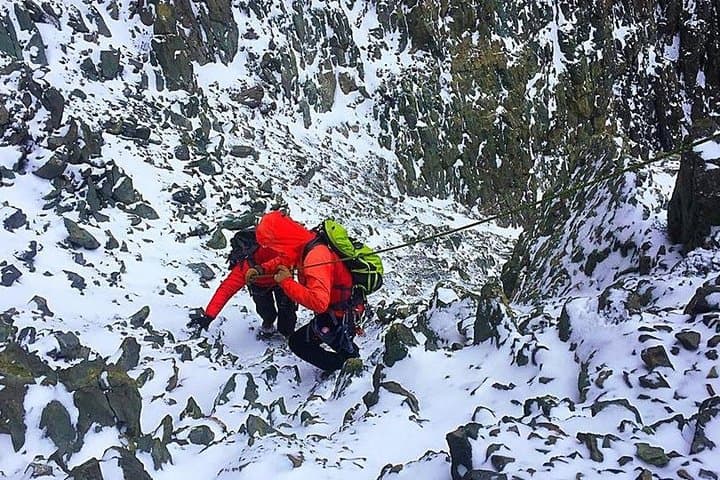


At the edge of Georgia’s rugged Caucasus range, Mount Kazbegi looms with an austere presence: a snow-capped sentinel pushing skyward to 5,054 meters. The journey to its summit is not only a test of endurance but an immersion into a landscape where granite cliffs dare to crumble beneath alpine skies and ancient cultures linger in mountain villages.
At the edge of Georgia’s rugged Caucasus range, Mount Kazbegi looms with an austere presence: a snow-capped sentinel pushing skyward to 5,054 meters. The journey to its summit is not only a test of endurance but an immersion into a landscape where granite cliffs dare to crumble beneath alpine skies and ancient cultures linger in mountain villages.
Starting in Tbilisi, Georgia’s bustling capital nestled at 420 meters elevation, adventurers travel north along the historic Georgian Military Road. This route snakes through deep river gorges, past the shimmering Zhinvali Reservoir where water mirrors the shifting mountain light. Along the way, Ananuri Fortress stands watch, its centuries-old walls a reminder of regional defense and the home of the Eristavi princely family. Here, the white and black Aragvi rivers flirt and merge, their colors weaving together before rushing downstream.
From Stepantsminda, a village resting at 1,700 meters, the climb truly begins. Trekking to Juta at 2,200 meters serves as an acclimatization prologue before the ascent attempts. Off-road vehicles ferry climbers to Gergeti Trinity Church at 2,200 meters, where panoramic views give way to the real challenge: reaching the Kazbegi weather station at 3,653 meters, the base camp perched amid persistent winds and biting cold. Trekkers shoulder loads of water, a vital commodity they must carry for the climb ahead.
The ascent to Kazbegi’s peak is demanding: a 1,400-meter vertical push through rocky terrain and potential snowfields, often taking 8-9 hours upward and several hours descending. The climb demands endurance and cautious navigation as the mountain’s granite bones and alpine glaciers respond to climbers’ presence — some slopes may shift, while others beckon with silent grandeur.
Successful summit bids reward climbers with views stretching across borders, from Russia’s North Caucasus to Georgia’s verdant valleys below. Local guides enrich the experience with insights on the region’s history, from ancient battles to the spiritual significance of the Gergeti Church overlooking all.
A day reserved for rest or alternative explorations allows visits to nearby natural landmarks like the Gveleti waterfalls or the steaming geysers in Darial and Truso gorges. Returning through Stepantsminda and back to Tbilisi, travelers are reminded that this expedition is as much about cultural connection as it is alpine conquest.
Practical preparation is essential. The high altitude and variable weather require physical fitness, layered clothing, and reliable gear. Guides provide supportive expertise, but climbers should be ready for steep rocky trails and sudden shifts in conditions.
Mount Kazbegi is no mere peak. It is a durable challenge carved by millennia of geological forces and human history—waiting for those who come prepared to meet it eye to eye.