THE ADVENTURE COLLECTIVE® · Independent discovery and booking for outdoor travel

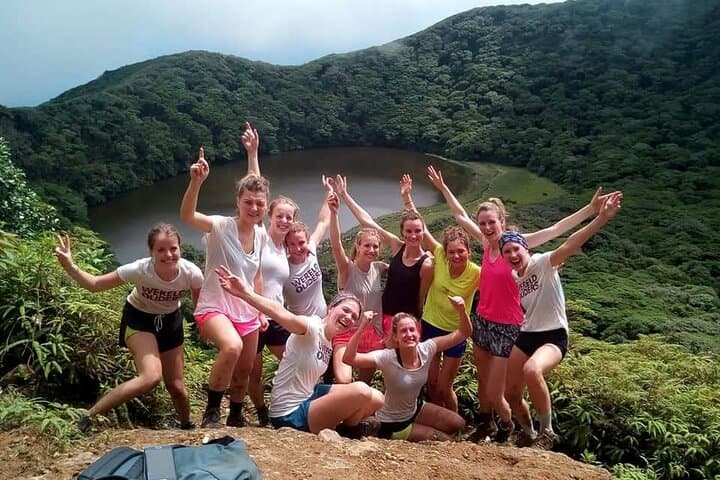
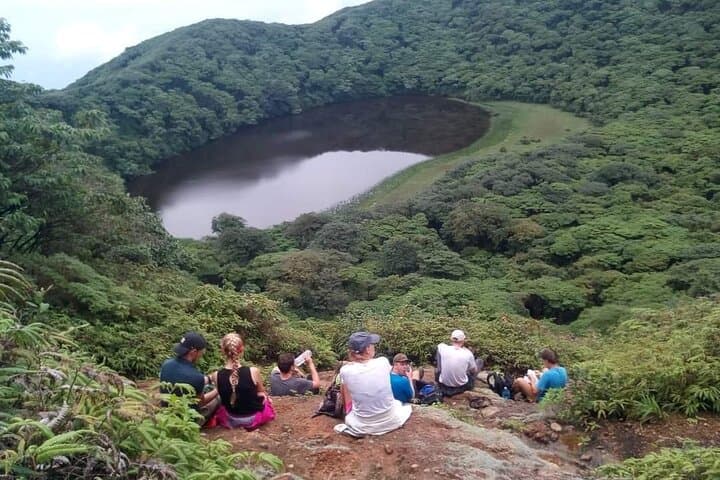
Wade into the cloud forest of Volcán Maderas on Ometepe for a day of moss-hung trails, crater-lagoon views and petroglyph stops. This nine-hour trek mixes wildlife spotting, cultural history and panoramic lookouts at El Mirador.
Wade into the cloud forest of Volcán Maderas on Ometepe for a day of moss-hung trails, crater-lagoon views and petroglyph stops. This nine-hour trek mixes wildlife spotting, cultural history and panoramic lookouts at El Mirador.
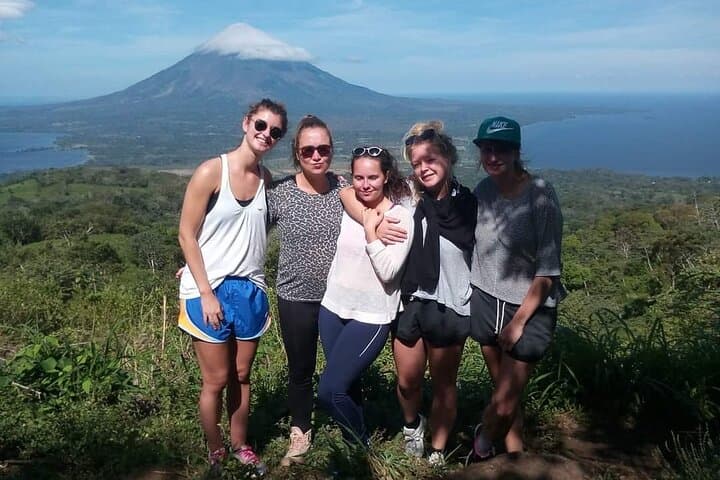
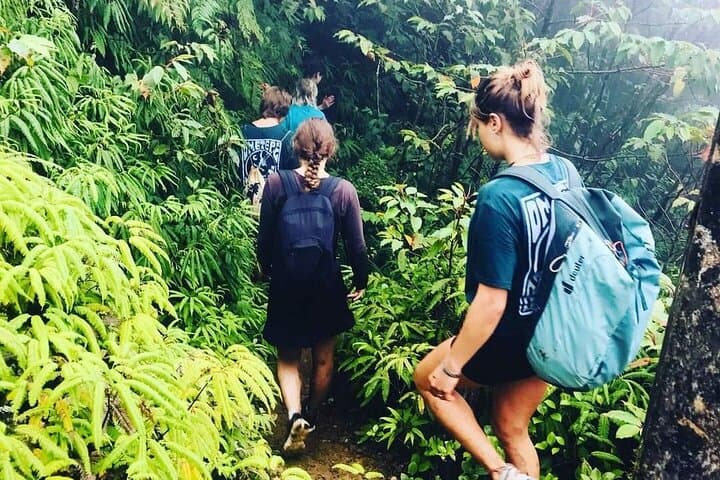
You start before dawn on a road that climbs out of the island's sugarcane-flat lowlands, the ferry lights shrinking behind you as mist gathers like an audience. The trail to Volcán Maderas quickly trades warm scrub for a cathedral of moss-draped trees; clouds move through the canopy with purpose, brushing your shoulders and turning the forest into an otherworldly corridor. At El Mirador the island opens up: Lake Cocibolca flashes around the base of Concepción, and the isthmus at Santa Cruz reads like a map folded into the landscape.
Verified experiences and guided adventures in the surrounding area.
Operated by Happy Tours Ometepe · Moyogalpa, Rivas Department
You start before dawn on a road that climbs out of the island's sugarcane-flat lowlands, the ferry lights shrinking behind you as mist gathers like an audience. The trail to Volcán Maderas quickly trades warm scrub for a cathedral of moss-draped trees; clouds move through the canopy with purpose, brushing your shoulders and turning the forest into an otherworldly corridor. At El Mirador the island opens up: Lake Cocibolca flashes around the base of Concepción, and the isthmus at Santa Cruz reads like a map folded into the landscape.
Maderas is different from its sharper sibling Concepción. It is an older, eroded volcano whose caldera holds a crater lagoon and a cloud forest—a rare mid-elevation ecosystem in Nicaragua that supports orchids, ferns, bromeliads, and a dense bird community. Human history here is visible in low relief—petroglyphs at El Porvenir hint at pre-Columbian presence, and the island’s volcanic soils shaped local agriculture and settlement patterns for centuries.
Geologically, Maderas is quieter; its slopes are gentler, carved by rain and time rather than recent lava flows. Culturally, the hike threads through small rural communities where cattle, coffee plots, and fruit trees punctuate the trailhead chatter. Guides from Happy Tours weave natural history with island lore—pointing out medicinal plants, explaining how the cloud forest regulates freshwater, and pausing at rock art sites that preserve the island’s past.
Practical guidance: the full tour runs roughly nine hours and covers steep, often muddy trails with sections of loose rock and tree roots. Expect repeated elevation gain; warm mornings cool quickly as you climb into cloud cover, so layer smartly. Bring at least 2–3 liters of water—the operator supplies bottled water and a boxed lunch (chicken, egg, or vegetarian sandwiches), and private transport is included for most booking options. This trek is rated for travelers with moderate fitness; it is not suitable for those with serious heart or spinal conditions, and it's not recommended during early pregnancy.
Timing and terrain matter. The clouds that make the forest magical also hide views: aim for a dry-season morning for clearer panoramas at El Mirador. Footwear with good grip and gaiters will pay off on muddy descents. Photography rewards patience—watch for shafts of light that give orchids and dripping moss a sculpted glow. Above all, move deliberately: the forest has a slow rhythm that encourages listening to birds, and the summit views arrive as a quiet, earned reward.
moderate.
8–9 hours.
Moderate cardiovascular fitness with experience on uneven, sustained climbs recommended
The tour is about 9 hours total with sustained climbs and muddy, uneven terrain; it’s best for travelers with moderate fitness.
Yes—bottled water and a boxed lunch (chicken, egg, or vegetarian sandwich) are provided on most booking options.
Children who are fit hikers and older adults with good mobility can participate, but anyone with heart or spinal issues is advised not to join.
Layered clothing, a waterproof jacket, long pants to protect against brush, and sturdy hiking boots are recommended.
Yes—El Porvenir petroglyphs are included; stay on paths and avoid touching the rock art to preserve it.
Yes, but trails will be muddier and visibility at viewpoints may be limited; sturdy boots and a rain shell are essential.
The island’s human history predates colonial contact; petroglyphs and archaeological finds show Ometepe was an important pre-Columbian locus, shaped by fertile volcanic soils.
Cloud forests on Maderas are sensitive to agriculture and erosion; stay on trails, avoid single-use plastics, and support local guides who practice low-impact tourism.
Happy Tours Ometepe operates guided outdoor trips and adventures with an emphasis on safety, stewardship, and memorable experiences.
You start before dawn on a road that climbs out of the island's sugarcane-flat lowlands, the ferry lights shrinking behind you as mist gathers like an audience. The trail to Volcán Maderas quickly trades warm scrub for a cathedral of moss-draped trees; clouds move through the canopy with purpose, brushing your shoulders and turning the forest into an otherworldly corridor. At El Mirador the island opens up: Lake Cocibolca flashes around the base of Concepción, and the isthmus at Santa Cruz reads like a map folded into the landscape.
You start before dawn on a road that climbs out of the island's sugarcane-flat lowlands, the ferry lights shrinking behind you as mist gathers like an audience. The trail to Volcán Maderas quickly trades warm scrub for a cathedral of moss-draped trees; clouds move through the canopy with purpose, brushing your shoulders and turning the forest into an otherworldly corridor. At El Mirador the island opens up: Lake Cocibolca flashes around the base of Concepción, and the isthmus at Santa Cruz reads like a map folded into the landscape.
Maderas is different from its sharper sibling Concepción. It is an older, eroded volcano whose caldera holds a crater lagoon and a cloud forest—a rare mid-elevation ecosystem in Nicaragua that supports orchids, ferns, bromeliads, and a dense bird community. Human history here is visible in low relief—petroglyphs at El Porvenir hint at pre-Columbian presence, and the island’s volcanic soils shaped local agriculture and settlement patterns for centuries.
Geologically, Maderas is quieter; its slopes are gentler, carved by rain and time rather than recent lava flows. Culturally, the hike threads through small rural communities where cattle, coffee plots, and fruit trees punctuate the trailhead chatter. Guides from Happy Tours weave natural history with island lore—pointing out medicinal plants, explaining how the cloud forest regulates freshwater, and pausing at rock art sites that preserve the island’s past.
Practical guidance: the full tour runs roughly nine hours and covers steep, often muddy trails with sections of loose rock and tree roots. Expect repeated elevation gain; warm mornings cool quickly as you climb into cloud cover, so layer smartly. Bring at least 2–3 liters of water—the operator supplies bottled water and a boxed lunch (chicken, egg, or vegetarian sandwiches), and private transport is included for most booking options. This trek is rated for travelers with moderate fitness; it is not suitable for those with serious heart or spinal conditions, and it's not recommended during early pregnancy.
Timing and terrain matter. The clouds that make the forest magical also hide views: aim for a dry-season morning for clearer panoramas at El Mirador. Footwear with good grip and gaiters will pay off on muddy descents. Photography rewards patience—watch for shafts of light that give orchids and dripping moss a sculpted glow. Above all, move deliberately: the forest has a slow rhythm that encourages listening to birds, and the summit views arrive as a quiet, earned reward.