THE ADVENTURE COLLECTIVE® · Independent discovery and booking for outdoor travel

A full-day trek from Cusco to Vinicunca (Rainbow Mountain) combines high-altitude hiking, striking mineral bands, and encounters with Quechua communities. Learn what to expect on trail, acclimatization tips, and the gear that will keep you comfortable on this 4,800+m ascent.
A full-day trek from Cusco to Vinicunca (Rainbow Mountain) combines high-altitude hiking, striking mineral bands, and encounters with Quechua communities. Learn what to expect on trail, acclimatization tips, and the gear that will keep you comfortable on this 4,800+m ascent.
The air on the approach tastes thin and metallic; you step out of the van and the high plain stretches, wind pushing cold light across bands of ochre and rust. Above, Vinicunca’s stripes sit like a painted ridge, daring you to earn the view. Early morning pick-up in Cusco and a slow drive through the Vilcanota range sets the rhythm: switchbacks, grazing alpacas, and villages that keep time by the mountains.
Verified experiences and guided adventures in the surrounding area.
Operated by Viagens Machu Picchu · Cusco, Cusco Region
The air on the approach tastes thin and metallic; you step out of the van and the high plain stretches, wind pushing cold light across bands of ochre and rust. Above, Vinicunca’s stripes sit like a painted ridge, daring you to earn the view. Early morning pick-up in Cusco and a slow drive through the Vilcanota range sets the rhythm: switchbacks, grazing alpacas, and villages that keep time by the mountains.
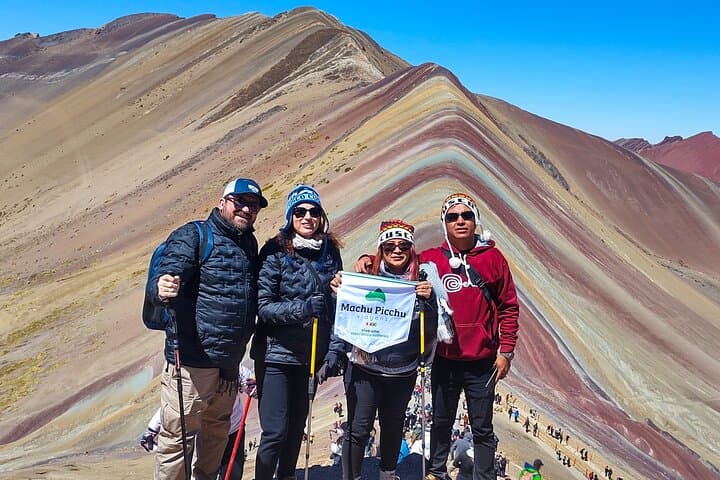
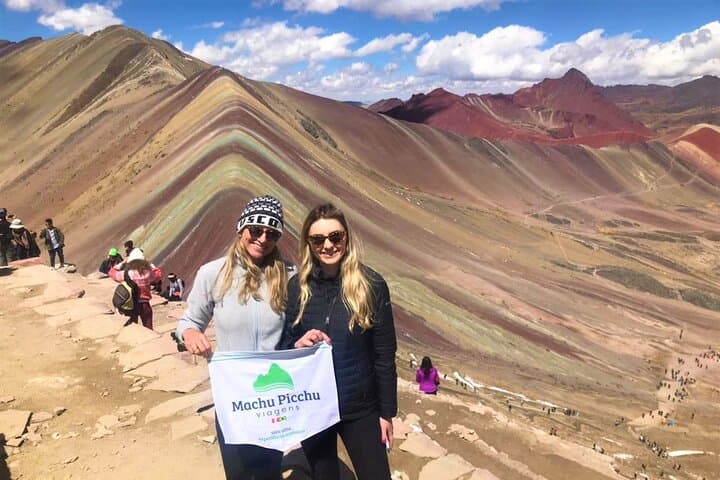
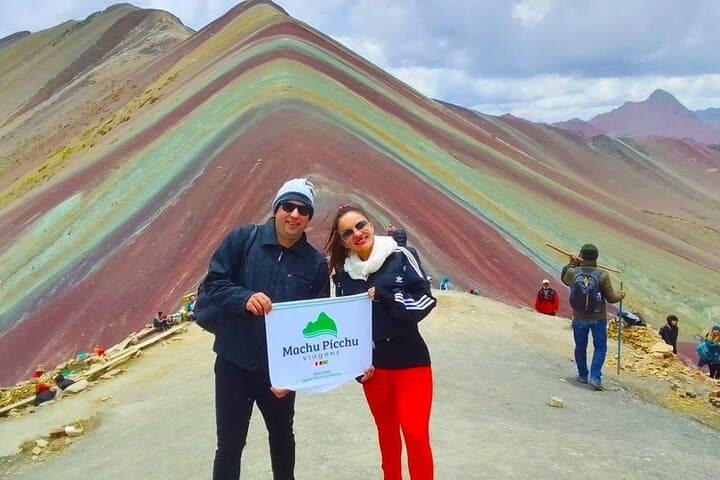
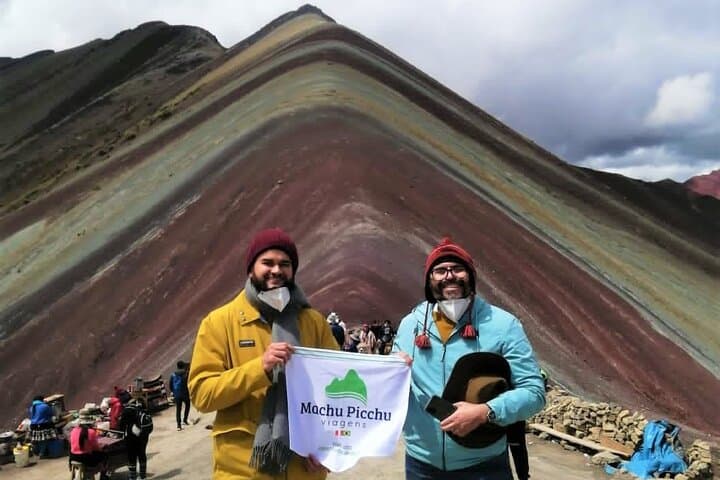
Geology here reads like a layered history lesson — mineral-rich sediments compressed, uplifted, and exposed by glaciers and erosion to create the banded colors that define Rainbow Mountain. Culturally, the route threads through Quechua communities where pastoral life remains central; guides often explain local traditions and the reverence for Ausangate, the regional Apu.
Practically, the hike begins near 4,800 m and moves higher; expect rocky trails, steep pitches, and thin air. Guides usually pause for acclimatization tips and steady pacing is essential. The ascent rewards with sweeping panoramas of the Vilcanota peaks and a chance to photograph the chromatic ridgeline from multiple angles.
Bring layered insulation, a windproof shell, and high-altitude hydration strategy — small, frequent sips and light snacks. Footwear with firm ankle support helps on uneven scree. Aim for the dry season (May–September) for clearer skies and firmer trails, and leave no trace: fragile alpine soils and grazing pastures recover slowly. Whether you move deliberately or push your pace, the summit turns effort into a clear, earned view — a geological show that asks for patience and pays with perspective.
moderate.
12–14 hours.
Good cardiovascular fitness and prior high-altitude experience or acclimatization; able to hike steep terrain for several hours.
Expect roughly 3–4 hours round trip on foot from the higher trailhead, with additional walking time if starting lower; guides provide exact timing at the start.
Physically fit beginners who are fully acclimatized can do the hike, but the altitude and steep sections make careful pacing and prior acclimatization essential.
Typical inclusions are round-trip transportation from Cusco, breakfast, lunch, entrance fees, and an English/Spanish guide; confirm specifics with the operator before booking.
The dry season (May–September) offers clearer skies and firmer trails; rainy season can bring slick conditions and limited visibility.
The trail follows ancient Andean landscapes long used by Quechua herders; nearby Ausangate is an Apu (sacred mountain) central to local spiritual practices.
Heavy foot traffic and grazing pressure can erode fragile soils; stay on designated paths, avoid disturbing livestock, and support local guides and community-run initiatives.
Viagens Machu Picchu operates guided outdoor trips and adventures with an emphasis on safety, stewardship, and memorable experiences.
The air on the approach tastes thin and metallic; you step out of the van and the high plain stretches, wind pushing cold light across bands of ochre and rust. Above, Vinicunca’s stripes sit like a painted ridge, daring you to earn the view. Early morning pick-up in Cusco and a slow drive through the Vilcanota range sets the rhythm: switchbacks, grazing alpacas, and villages that keep time by the mountains.
The air on the approach tastes thin and metallic; you step out of the van and the high plain stretches, wind pushing cold light across bands of ochre and rust. Above, Vinicunca’s stripes sit like a painted ridge, daring you to earn the view. Early morning pick-up in Cusco and a slow drive through the Vilcanota range sets the rhythm: switchbacks, grazing alpacas, and villages that keep time by the mountains.
Geology here reads like a layered history lesson — mineral-rich sediments compressed, uplifted, and exposed by glaciers and erosion to create the banded colors that define Rainbow Mountain. Culturally, the route threads through Quechua communities where pastoral life remains central; guides often explain local traditions and the reverence for Ausangate, the regional Apu.
Practically, the hike begins near 4,800 m and moves higher; expect rocky trails, steep pitches, and thin air. Guides usually pause for acclimatization tips and steady pacing is essential. The ascent rewards with sweeping panoramas of the Vilcanota peaks and a chance to photograph the chromatic ridgeline from multiple angles.
Bring layered insulation, a windproof shell, and high-altitude hydration strategy — small, frequent sips and light snacks. Footwear with firm ankle support helps on uneven scree. Aim for the dry season (May–September) for clearer skies and firmer trails, and leave no trace: fragile alpine soils and grazing pastures recover slowly. Whether you move deliberately or push your pace, the summit turns effort into a clear, earned view — a geological show that asks for patience and pays with perspective.