THE ADVENTURE COLLECTIVE® · Independent discovery and booking for outdoor travel

Ascend Gingilos Summit, a towering peak of Crete’s Lefka Ori range, and traverse rare ecosystems amid rugged limestone ridges. This challenging climb rewards with sweeping Mediterranean views and a deep connection to the island’s natural and cultural heritage.
Ascend Gingilos Summit, a towering peak of Crete’s Lefka Ori range, and traverse rare ecosystems amid rugged limestone ridges. This challenging climb rewards with sweeping Mediterranean views and a deep connection to the island’s natural and cultural heritage.
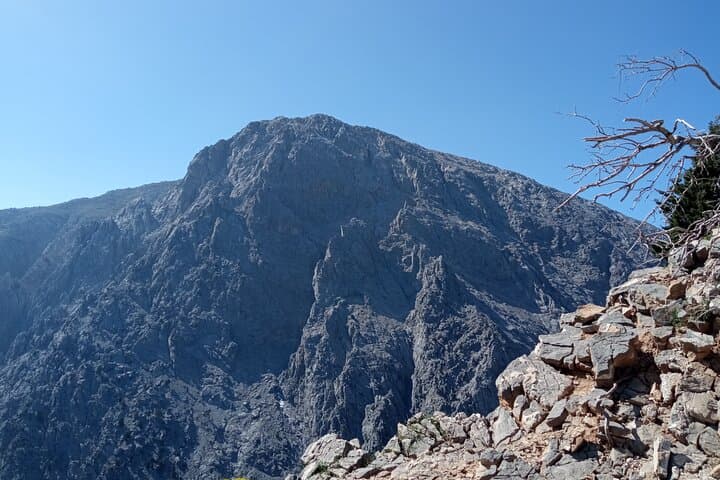
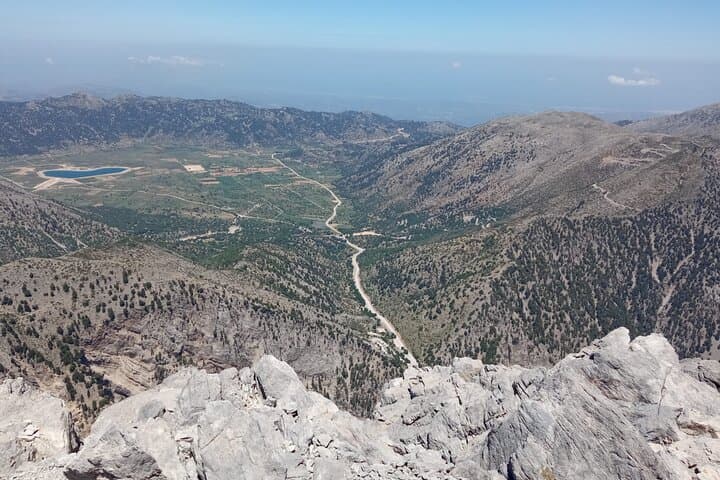
Rising sharply above the remote trails of western Crete, the Lefka Ori mountain range challenges hikers with jagged cliffs and rare ecosystems that demand respect and curiosity. The climb to Gingilos Summit, one of the crown jewels of this range, pushes adventurers to nearly 2,000 meters, where sparse air meets sweeping views that stretch over the Mediterranean.
Verified experiences and guided adventures in the surrounding area.
Operated by Terra Petra Trekking · Chania, Crete
Rising sharply above the remote trails of western Crete, the Lefka Ori mountain range challenges hikers with jagged cliffs and rare ecosystems that demand respect and curiosity. The climb to Gingilos Summit, one of the crown jewels of this range, pushes adventurers to nearly 2,000 meters, where sparse air meets sweeping views that stretch over the Mediterranean.
Setting off from the entrance of Samaria National Park, the trail immediately pulls you into a landscape shaped over millennia by tectonic forces and erosive winds. The ground beneath is a patchwork of limestone formations that shimmer with white under the sun’s glare, giving the Lefka Ori—or White Mountains—their distinctive name. As you ascend, the path leads through a fragile ecosystem, home to endemic plants and wildlife that make this area a living geological and biological archive.
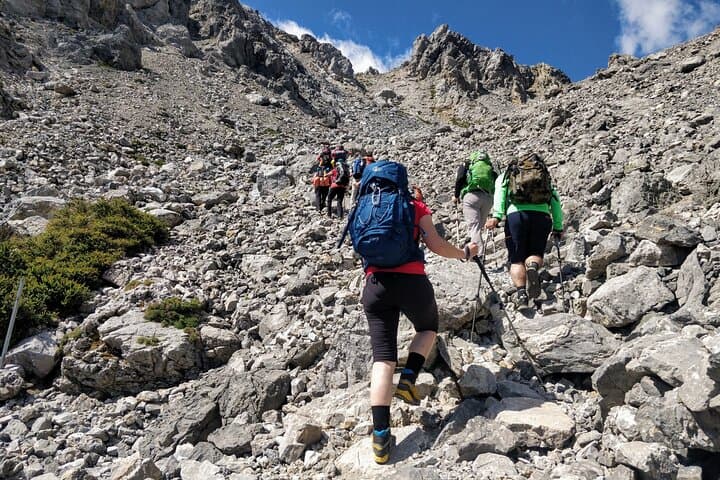
The hike demands more than endurance; it calls for nimble-footed scrambling along several rocky segments, where hands meet stone and balance is tested against gravity’s pull. Gingilos itself is a geosite of significant scientific interest, standing as a testament to the island’s complex history of uplift and erosion.
Cretan culture echoes faintly here, with shepherd trails overlapping the routes and ancient stone markers guiding the way. Though the summit is a quiet place, the deep descent back into Samaria Gorge reveals a land continuously shaped by human and natural interaction—olive groves, wild herbs, and the distant hum of mountain villages.
Practical preparation is key for this demanding climb. Allocate approximately eight hours for the round trip to navigate the steep 1,300-meter elevation gain and technically moderate terrain safely. Hiking boots with solid grip are essential for scrambling sections, while layered clothing will help adjust to swift temperature changes. Carry at least two liters of water; occasional shade melts into exposed ridges under the midday sun.
Starting early maximizes cooler morning air and gives ample daylight for the descent. Guided tours often provide insightful context on local flora and geology, enhancing the trek beyond the physical challenge. The trail isn’t recommended for those with heart, spinal, or height-related health issues, nor is it suitable for children under 12.
From Chania—the closest urban hub—travelers can arrange transport to Samaria’s entrance. The climb offers a chance not just to conquer a peak but to witness a rare mountain ecosystem reaching skyward where land meets sky and limestone bears the imprint of time’s slow hand.
challenging.
7–9 hours.
Good physical condition with endurance for sustained uphill hiking and some scrambling is required.
The round-trip trek usually takes between 7 and 9 hours, covering approximately 18 kilometers with about 1,300 meters of elevation gain.
Yes, basic scrambling skills are important as the route includes rocky sections where you will need to use your hands for balance and support.
Late spring through early fall offers the most reliable weather and trail conditions, avoiding winter snows and cold temperatures.
Yes, certified guides lead tours that provide safety, local knowledge, and insight into the area's unique flora, fauna, and geology.
This climb is not recommended for children under 12 or novice hikers due to the physical demands and scrambling involved.
The hike starts and ends at the entrance to Samaria National Park, near the town of Chania on Crete’s west coast.
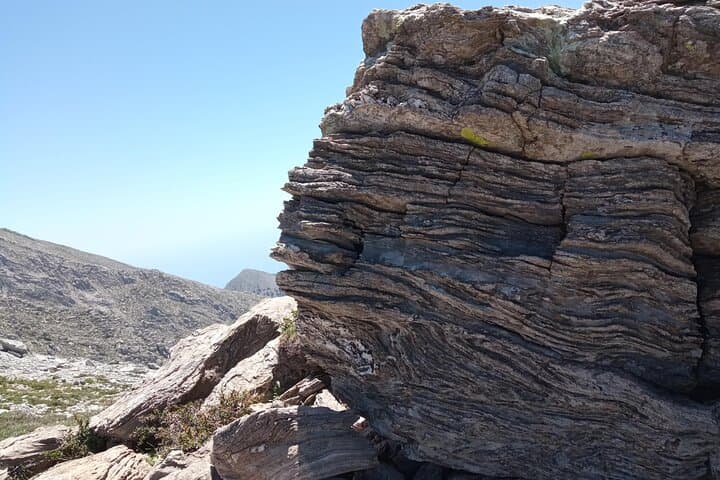
Lefka Ori’s geology reflects Crete’s tectonic collision history, and the area has long been traversed by shepherds whose trails form part of the modern route.
The area is protected to preserve its rare ecosystems, so hikers are asked to stay on marked trails and minimize impact on sensitive flora and fauna.
Terra Petra Trekking operates guided outdoor trips and adventures with an emphasis on safety, stewardship, and memorable experiences.
Rising sharply above the remote trails of western Crete, the Lefka Ori mountain range challenges hikers with jagged cliffs and rare ecosystems that demand respect and curiosity. The climb to Gingilos Summit, one of the crown jewels of this range, pushes adventurers to nearly 2,000 meters, where sparse air meets sweeping views that stretch over the Mediterranean.
Rising sharply above the remote trails of western Crete, the Lefka Ori mountain range challenges hikers with jagged cliffs and rare ecosystems that demand respect and curiosity. The climb to Gingilos Summit, one of the crown jewels of this range, pushes adventurers to nearly 2,000 meters, where sparse air meets sweeping views that stretch over the Mediterranean.
Setting off from the entrance of Samaria National Park, the trail immediately pulls you into a landscape shaped over millennia by tectonic forces and erosive winds. The ground beneath is a patchwork of limestone formations that shimmer with white under the sun’s glare, giving the Lefka Ori—or White Mountains—their distinctive name. As you ascend, the path leads through a fragile ecosystem, home to endemic plants and wildlife that make this area a living geological and biological archive.
The hike demands more than endurance; it calls for nimble-footed scrambling along several rocky segments, where hands meet stone and balance is tested against gravity’s pull. Gingilos itself is a geosite of significant scientific interest, standing as a testament to the island’s complex history of uplift and erosion.
Cretan culture echoes faintly here, with shepherd trails overlapping the routes and ancient stone markers guiding the way. Though the summit is a quiet place, the deep descent back into Samaria Gorge reveals a land continuously shaped by human and natural interaction—olive groves, wild herbs, and the distant hum of mountain villages.
Practical preparation is key for this demanding climb. Allocate approximately eight hours for the round trip to navigate the steep 1,300-meter elevation gain and technically moderate terrain safely. Hiking boots with solid grip are essential for scrambling sections, while layered clothing will help adjust to swift temperature changes. Carry at least two liters of water; occasional shade melts into exposed ridges under the midday sun.
Starting early maximizes cooler morning air and gives ample daylight for the descent. Guided tours often provide insightful context on local flora and geology, enhancing the trek beyond the physical challenge. The trail isn’t recommended for those with heart, spinal, or height-related health issues, nor is it suitable for children under 12.
From Chania—the closest urban hub—travelers can arrange transport to Samaria’s entrance. The climb offers a chance not just to conquer a peak but to witness a rare mountain ecosystem reaching skyward where land meets sky and limestone bears the imprint of time’s slow hand.