THE ADVENTURE COLLECTIVE® · Independent discovery and booking for outdoor travel

Walk up a waterfall — literally. Bua Thong’s calcium-carbonate terraces grip your feet, letting you scramble across cascades and then cool off with market-found snacks. This half-day trip pairs hands-on geology with local flavors.
Walk up a waterfall — literally. Bua Thong’s calcium-carbonate terraces grip your feet, letting you scramble across cascades and then cool off with market-found snacks. This half-day trip pairs hands-on geology with local flavors.
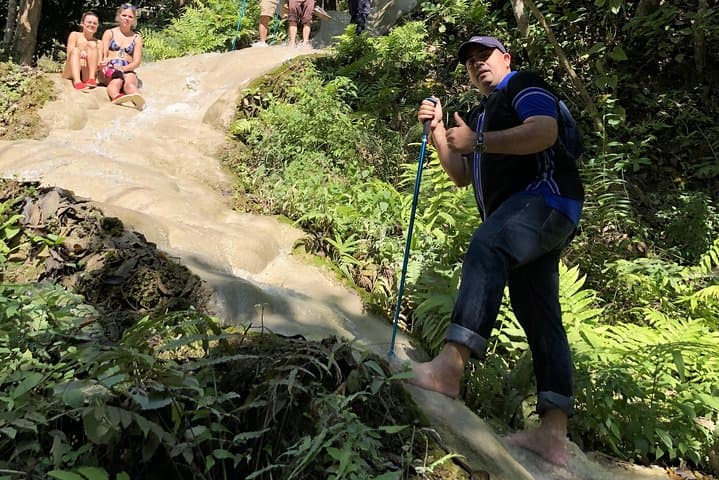
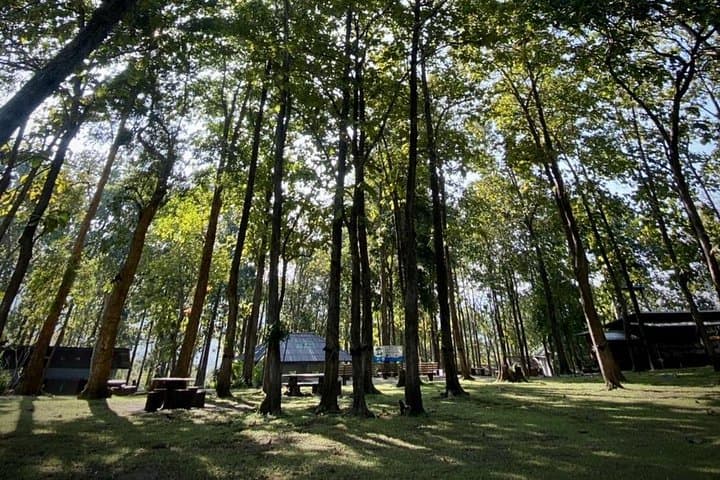
The first light slices through tropical canopy and the limestone seems to glow — a shallow, rushing ribbon daring you to step on it. At Bua Thong, the water doesn’t sweep you off your feet so much as invite inspection: calcium-rich rock creates a grippy surface that lets you pick your line up tiers and ledges while the falls push cool mist onto your face.
Verified experiences and guided adventures in the surrounding area.
Operated by AP Good@travel · Mae Taeng, Chiang Mai Province
The first light slices through tropical canopy and the limestone seems to glow — a shallow, rushing ribbon daring you to step on it. At Bua Thong, the water doesn’t sweep you off your feet so much as invite inspection: calcium-rich rock creates a grippy surface that lets you pick your line up tiers and ledges while the falls push cool mist onto your face.
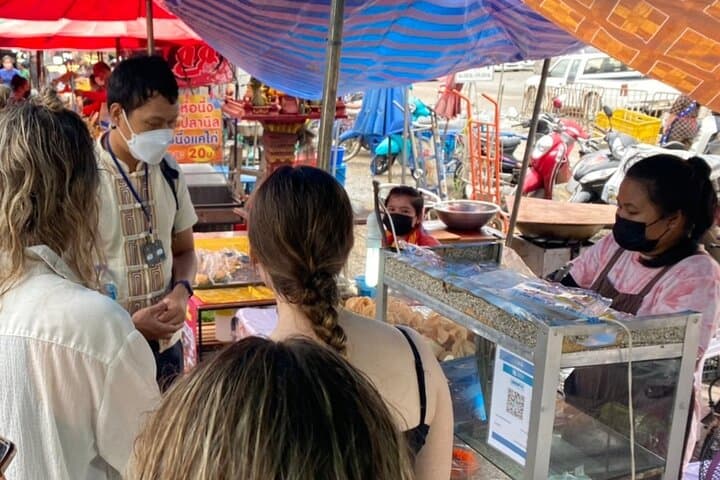
The falls form where mineral-laden water deposits travertine over time, building rough, almost sticky terraces that can support barefoot steps. Locals have long used the site for bathing and small-scale trade; the nearby market still sells seasonal fruits, grilled snacks and threaded sweets that anchor the visit in everyday northern-Thai life.
Expect a half-day rhythm: a brief stop at the market for fruit and a picnic, then a 60–90 minute period of climbing, photos and quiet at upper pools. The route is non-technical but uneven — small cascades, slick patches, and shallow pools. Guides often point out local plants and the limestone shelves that formed over centuries.
Practical edge: go early to avoid heat and crowds, wear water shoes with good soles or sticky sandals, and bring a towel and quick-dry clothing. Pack sunscreen, insect repellent and small change for market purchases. Avoid soaps in pools and follow your guide’s route to minimize erosion. Whether you’re picking a path up the tiers or sampling rambutan at a stall, Bua Thong delivers a compact, tactile piece of northern Thailand — equal parts geology and daily life.
easy.
4–5 hours.
Suitable for most fitness levels; requires balance on wet, uneven rock and short walking between stops
Yes — the travertine limestone provides surprisingly good traction; however, stay on guided routes, move slowly on wet spots, and avoid climbing during heavy rain when flow increases.
On organized half-day tours admission to Bua Thong is typically included; confirm with your operator for private arrangements.
The activity is rated easy: short climbs, shallow pools and uneven stone require balance but no technical climbing skills.
Families with children often join, but infants should sit on laps during transport; pregnant travelers or guests with spinal issues should avoid the climb and consult the operator.
The falls’ ‘sticky’ texture comes from slow deposition of calcium carbonate (travertine) over generations, creating terraces that locals have used for bathing and small trade for decades.
Avoid soaps and detergents in the water, pack out trash, and stay on established paths to prevent erosion of delicate travertine formations.
AP Good@travel operates guided outdoor trips and adventures with an emphasis on safety, stewardship, and memorable experiences.

The first light slices through tropical canopy and the limestone seems to glow — a shallow, rushing ribbon daring you to step on it. At Bua Thong, the water doesn’t sweep you off your feet so much as invite inspection: calcium-rich rock creates a grippy surface that lets you pick your line up tiers and ledges while the falls push cool mist onto your face.
The first light slices through tropical canopy and the limestone seems to glow — a shallow, rushing ribbon daring you to step on it. At Bua Thong, the water doesn’t sweep you off your feet so much as invite inspection: calcium-rich rock creates a grippy surface that lets you pick your line up tiers and ledges while the falls push cool mist onto your face.
The falls form where mineral-laden water deposits travertine over time, building rough, almost sticky terraces that can support barefoot steps. Locals have long used the site for bathing and small-scale trade; the nearby market still sells seasonal fruits, grilled snacks and threaded sweets that anchor the visit in everyday northern-Thai life.
Expect a half-day rhythm: a brief stop at the market for fruit and a picnic, then a 60–90 minute period of climbing, photos and quiet at upper pools. The route is non-technical but uneven — small cascades, slick patches, and shallow pools. Guides often point out local plants and the limestone shelves that formed over centuries.
Practical edge: go early to avoid heat and crowds, wear water shoes with good soles or sticky sandals, and bring a towel and quick-dry clothing. Pack sunscreen, insect repellent and small change for market purchases. Avoid soaps in pools and follow your guide’s route to minimize erosion. Whether you’re picking a path up the tiers or sampling rambutan at a stall, Bua Thong delivers a compact, tactile piece of northern Thailand — equal parts geology and daily life.