
Climb the Lion Rock: A Full-Day Tour to Sigiriya and Dambulla from Colombo
Scale the dramatic Lion Rock at Sigiriya and step into the painted cool of Dambulla’s cave temples on this full-day tour from Colombo. Expect steep steps, vivid frescoes, and a deep slice of Sri Lanka’s history and religion.
An Adventure In Colombo.
Scale the dramatic Lion Rock at Sigiriya and step into the painted cool of Dambulla’s cave temples on this full-day tour from Colombo. Expect steep steps, vivid frescoes, and a deep slice of Sri Lanka’s history and religion.
Read the full experience
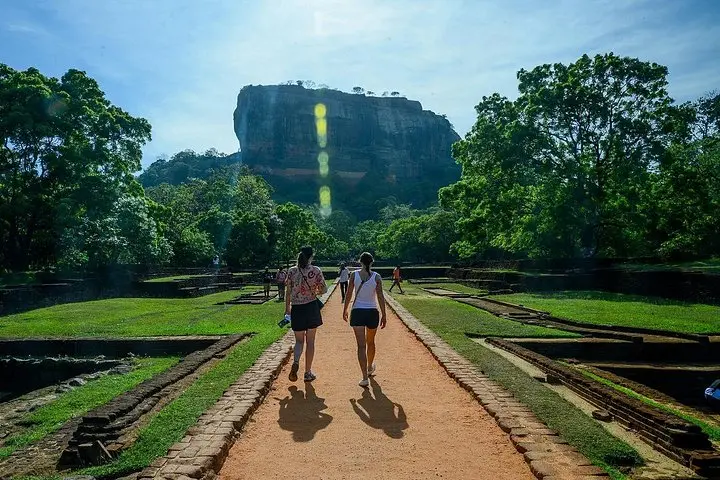
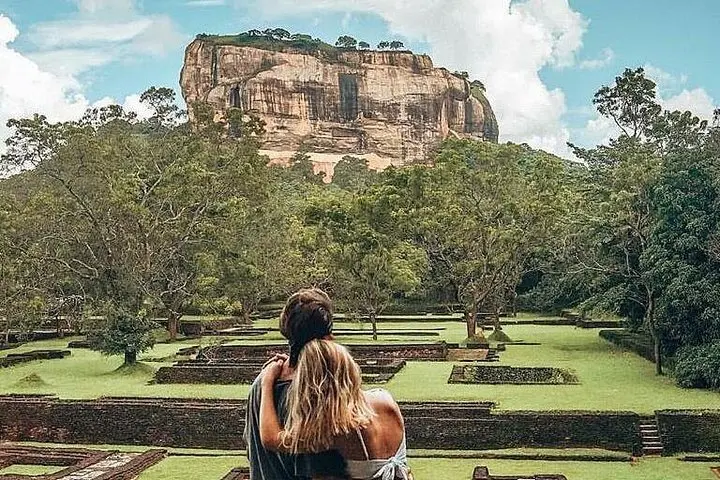
By the time the minivan eases off the highway and into the scrub of Sri Lanka’s central plains, the Lion Rock appears like a stubborn monolith rising from low, green farmland — black-brown flanks cutting a clean silhouette against the sky.
By the time the minivan eases off the highway and into the scrub of Sri Lanka’s central plains, the Lion Rock appears like a stubborn monolith rising from low, green farmland — black-brown flanks cutting a clean silhouette against the sky.
You approach Sigiriya the way travelers have done for centuries: on foot, then by narrow stairways that hug the stone. The climb is physical and immediate: iron steps, stone terraces, and the famous lion’s paws that mark the gateway to the Sky Palace. Halfway up, the frescoes peer down from a sheltered gallery — faded yet fiercely present — as the wind pushes through the trees and the valley seems to tilt beneath you.
Later, in Dambulla, the scene shifts from exposed rock to hush and shadow. The cave temple has been a place of sanctuary for over two millennia; inside, 153 Buddha statues recline, sit and stand in a compact, deliberate arrangement beneath painted ceilings. The air is cool and incense-laced; the stone itself hums with human touch and reverence.
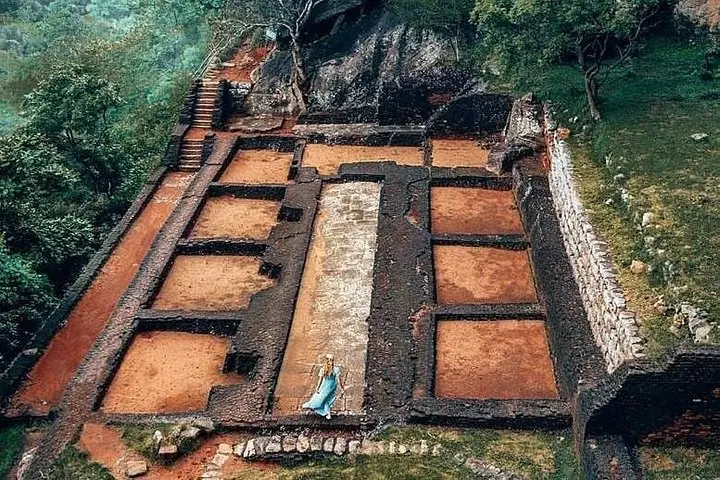
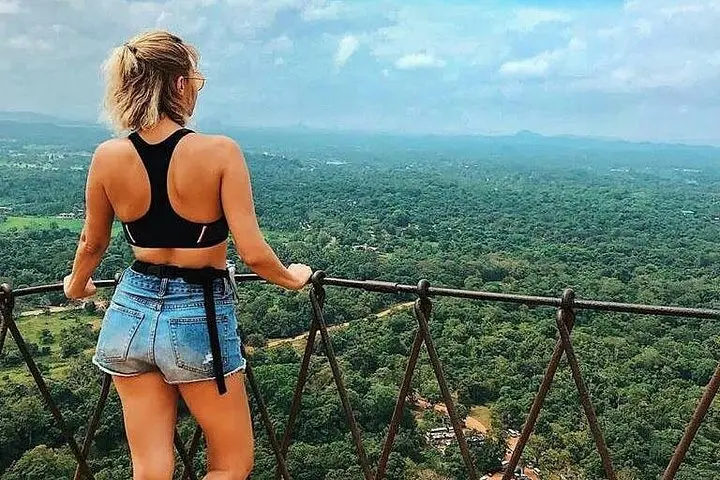
Sigiriya’s history reads like courtroom drama and landscape design. In the fifth century CE King Kasyapa turned a volcanic plug into a fortified capital, building terraces, water gardens and a palatial complex on top. When the capital fell, Buddhist monks reclaimed the mountain and the forests slowly closed over human ambition. Geologically the rock is a residual granite outcrop — harder than the surrounding soils — which is why it stands above the plains and why climbers today get a clear, 360-degree view from the summit.
Culturally, the route connects ancient kingship with living rural life: you’ll pass spice gardens, see villagers tending paddy edges, and get a short window into how a centuries-old site remains woven into daily rhythms.
Practicalities: the full-day tour runs from Colombo and lasts roughly 10–12 hours including travel. The Sigiriya climb gains about 200 metres (660 ft) and includes ladders and metal steps; it’s strenuous in the midday heat but doable for anyone with a moderate fitness level. Wear covered shoulders and knees for temple visits; remove shoes and hats at Dambulla. Bring at least 2 liters of water, sun protection, and small change for entrance fees and tips.
Start early to avoid the hottest hours and the tour buses. Move carefully on steep sections and don’t touch frescoes or Buddha figures; these sites are actively conserved and culturally sensitive. Whether you come for the view, the history, or the vivid interior of the caves, Sigiriya and Dambulla form a compact day that lays out Sri Lanka’s ancient engineering and spiritual life in vivid, walkable terrain.
Frequently asked questions
No — entrance fees for Sigiriya and Dambulla are typically paid on-site; confirm with your operator before travel.
The climb gains roughly 200 metres (660 ft) and takes 45–90 minutes depending on fitness and stops for views and photos.
Infants must sit on an adult’s lap; the climb may be too strenuous for very young children or those with mobility issues.
No — temples require modest dress. Bring a lightweight shawl or change beforehand; shoes must be removed inside.
Yes — the itinerary includes transit and breaks; most tours stop for a meal at a local restaurant between sites.
Sites remain open during most weather, but steep metal steps at Sigiriya can be slippery in heavy rain; follow guide instructions.
About This Experience
Asia Advisor by Asni operates guided outdoor trips and adventures with an emphasis on safety, stewardship, and memorable experiences.
Adventure tips
Recommended gear
- Sturdy walking shoes: Good traction for iron steps and uneven stone at Sigiriya and firm footing inside the caves.
- 2L water bottle or hydration pack: Keeps you hydrated during the steep, exposed climb in tropical heat.
- Sun hat and sunscreen: Essential for the exposed ascent and open viewpoints on the summit.
- Light, modest clothing: Shoulders and knees should be covered for temple respect and comfort in shaded cave interiors.
Photos of the experience
Related adventures & guides
Read the full experience
By the time the minivan eases off the highway and into the scrub of Sri Lanka’s central plains, the Lion Rock appears like a stubborn monolith rising from low, green farmland — black-brown flanks cutting a clean silhouette against the sky.
By the time the minivan eases off the highway and into the scrub of Sri Lanka’s central plains, the Lion Rock appears like a stubborn monolith rising from low, green farmland — black-brown flanks cutting a clean silhouette against the sky.
You approach Sigiriya the way travelers have done for centuries: on foot, then by narrow stairways that hug the stone. The climb is physical and immediate: iron steps, stone terraces, and the famous lion’s paws that mark the gateway to the Sky Palace. Halfway up, the frescoes peer down from a sheltered gallery — faded yet fiercely present — as the wind pushes through the trees and the valley seems to tilt beneath you.
Later, in Dambulla, the scene shifts from exposed rock to hush and shadow. The cave temple has been a place of sanctuary for over two millennia; inside, 153 Buddha statues recline, sit and stand in a compact, deliberate arrangement beneath painted ceilings. The air is cool and incense-laced; the stone itself hums with human touch and reverence.
Sigiriya’s history reads like courtroom drama and landscape design. In the fifth century CE King Kasyapa turned a volcanic plug into a fortified capital, building terraces, water gardens and a palatial complex on top. When the capital fell, Buddhist monks reclaimed the mountain and the forests slowly closed over human ambition. Geologically the rock is a residual granite outcrop — harder than the surrounding soils — which is why it stands above the plains and why climbers today get a clear, 360-degree view from the summit.
Culturally, the route connects ancient kingship with living rural life: you’ll pass spice gardens, see villagers tending paddy edges, and get a short window into how a centuries-old site remains woven into daily rhythms.
Practicalities: the full-day tour runs from Colombo and lasts roughly 10–12 hours including travel. The Sigiriya climb gains about 200 metres (660 ft) and includes ladders and metal steps; it’s strenuous in the midday heat but doable for anyone with a moderate fitness level. Wear covered shoulders and knees for temple visits; remove shoes and hats at Dambulla. Bring at least 2 liters of water, sun protection, and small change for entrance fees and tips.
Start early to avoid the hottest hours and the tour buses. Move carefully on steep sections and don’t touch frescoes or Buddha figures; these sites are actively conserved and culturally sensitive. Whether you come for the view, the history, or the vivid interior of the caves, Sigiriya and Dambulla form a compact day that lays out Sri Lanka’s ancient engineering and spiritual life in vivid, walkable terrain.
Make a day of it nearby.
Verified experiences and guided adventures in the surrounding area.