THE ADVENTURE COLLECTIVE® · Independent discovery and booking for outdoor travel

Book a timed slot to climb the Leaning Tower of Pisa and experience the narrow, spiraling ascent to a compact viewing terrace. This guide covers history, what to expect during the climb, and practical tips to make the most of a 60–120 minute visit.
Book a timed slot to climb the Leaning Tower of Pisa and experience the narrow, spiraling ascent to a compact viewing terrace. This guide covers history, what to expect during the climb, and practical tips to make the most of a 60–120 minute visit.
You step into Piazza dei Miracoli with white marble underfoot and a tower that leans like a question posed to gravity. The Leaning Tower of Pisa tilts quietly against a blue Tuscan sky; in the stairwell a chorus of footsteps and breath accompanies the slow, spiraling ascent.
Verified experiences and guided adventures in the surrounding area.
Operated by Dream Fly Tourism LLC · Pisa, Tuscany
You step into Piazza dei Miracoli with white marble underfoot and a tower that leans like a question posed to gravity. The Leaning Tower of Pisa tilts quietly against a blue Tuscan sky; in the stairwell a chorus of footsteps and breath accompanies the slow, spiraling ascent.
Construction began in 1173 and stretched across centuries—its Romanesque arches, blind arcades and work by successive generations of masons tell a civic story as much as an architectural one. Geologically, the tilt owes everything to the soft alluvial subsoil and a shallow foundation; modern stabilization reduced the lean but preserved the drama that has drawn travelers for centuries.
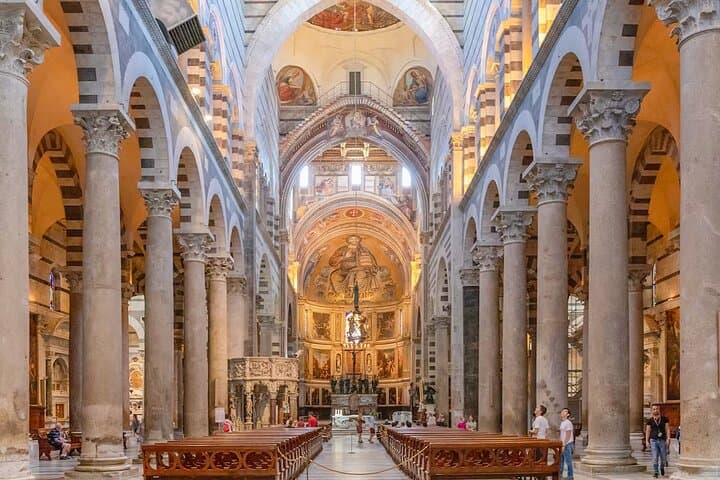
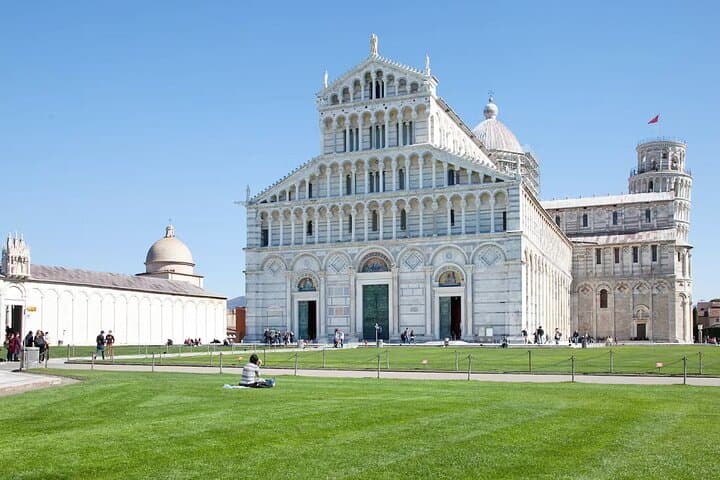
Culturally, the tower was built as the cathedral’s campanile—part of a complex that includes the Baptistery, Camposanto and Opera Museum—and it sits at the heart of Pisa’s medieval civic identity. Local guides often point out the debated anecdote that Galileo tested motion from this hill, a reminder of the city’s scientific as well as artistic legacy.
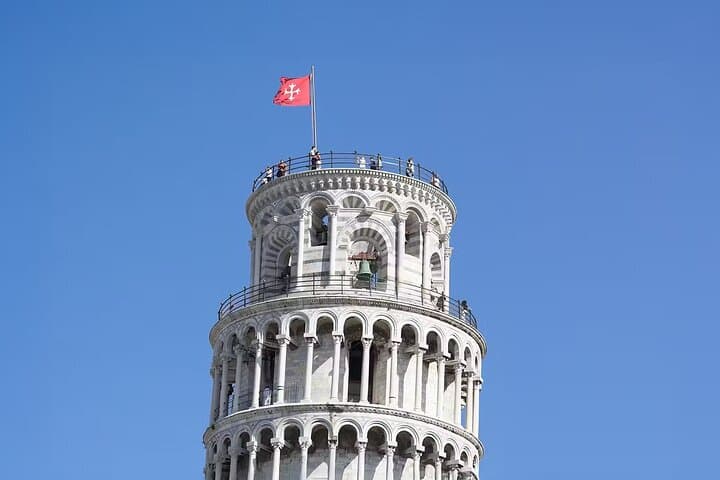
Practical guidance: tickets are timed and sold in limited quantities—book early, especially in summer. The climb is narrow: expect about 294 spiraling steps and uneven stone underfoot; the top offers compact viewing terraces but no long loitering. Plan 60–120 minutes to include the cathedral and nearby monuments, wear closed-toe shoes, and avoid large backpacks. Photography is encouraged but keep movement steady on the stairs. Note infants must sit on laps and access can be closed for safety or weather. With a bit of planning this short but vertical encounter delivers one of Italy’s most singular vantage points and a brisk lesson in engineering, history and persistence.
easy.
1–2 hours.
Suitable for most visitors who can manage nearly 300 narrow steps; not recommended for those with severe mobility issues or uncontrolled medical conditions.
The climb is via narrow spiral stairs (about 294 steps) and is not suitable for those with major mobility or heart conditions; infants must sit on an adult’s lap.
Timed tickets include entry to the tower and often access to the cathedral; plan 60–120 minutes to visit the tower and nearby monuments.
Small daypacks are usually fine but large backpacks may be asked to stay with a companion or checked—travel light to speed entry and reduce obstruction on stairs.
Yes—adverse weather, safety concerns or maintenance can close the tower; check for confirmations and arrive on time for your slot.
The tower began construction in 1173 as the cathedral’s bell tower; uneven foundations on soft subsoil caused the progressive tilt that defines it today.
Stabilization work in the late 20th century reduced the tilt and set strict visitor limits—respect barriers, avoid touching fragile marble, and follow signage to protect the monuments.
Dream Fly Tourism LLC operates guided outdoor trips and adventures with an emphasis on safety, stewardship, and memorable experiences.
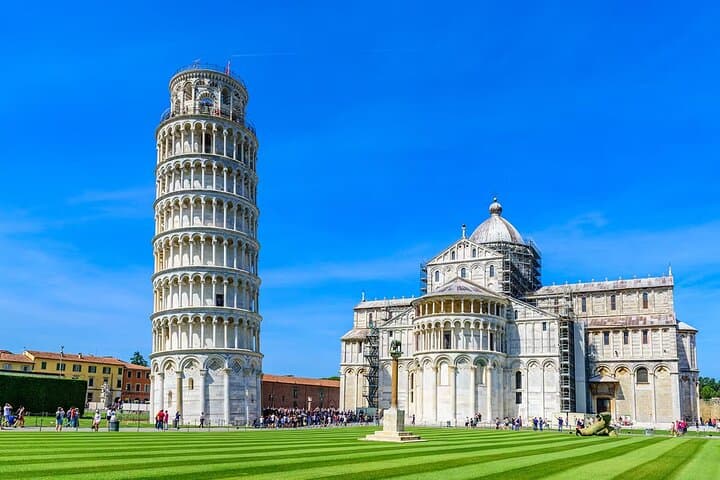
You step into Piazza dei Miracoli with white marble underfoot and a tower that leans like a question posed to gravity. The Leaning Tower of Pisa tilts quietly against a blue Tuscan sky; in the stairwell a chorus of footsteps and breath accompanies the slow, spiraling ascent.
You step into Piazza dei Miracoli with white marble underfoot and a tower that leans like a question posed to gravity. The Leaning Tower of Pisa tilts quietly against a blue Tuscan sky; in the stairwell a chorus of footsteps and breath accompanies the slow, spiraling ascent.
Construction began in 1173 and stretched across centuries—its Romanesque arches, blind arcades and work by successive generations of masons tell a civic story as much as an architectural one. Geologically, the tilt owes everything to the soft alluvial subsoil and a shallow foundation; modern stabilization reduced the lean but preserved the drama that has drawn travelers for centuries.
Culturally, the tower was built as the cathedral’s campanile—part of a complex that includes the Baptistery, Camposanto and Opera Museum—and it sits at the heart of Pisa’s medieval civic identity. Local guides often point out the debated anecdote that Galileo tested motion from this hill, a reminder of the city’s scientific as well as artistic legacy.
Practical guidance: tickets are timed and sold in limited quantities—book early, especially in summer. The climb is narrow: expect about 294 spiraling steps and uneven stone underfoot; the top offers compact viewing terraces but no long loitering. Plan 60–120 minutes to include the cathedral and nearby monuments, wear closed-toe shoes, and avoid large backpacks. Photography is encouraged but keep movement steady on the stairs. Note infants must sit on laps and access can be closed for safety or weather. With a bit of planning this short but vertical encounter delivers one of Italy’s most singular vantage points and a brisk lesson in engineering, history and persistence.