THE ADVENTURE COLLECTIVE® · Independent discovery and booking for outdoor travel

Ascend the famous Flatirons near Boulder with a guided climb tailored to your skill level. This adventure blends a striking hike with vertical rock faces, delivering a classic and accessible Colorado climbing experience.
Ascend the famous Flatirons near Boulder with a guided climb tailored to your skill level. This adventure blends a striking hike with vertical rock faces, delivering a classic and accessible Colorado climbing experience.
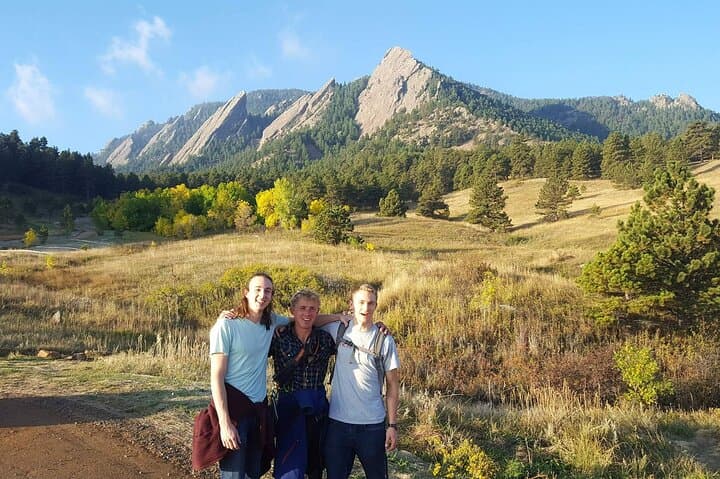
Rising abruptly from the plains west of Boulder, the Flatirons are more than just jagged sandstone slabs—they’re a playground for climbers drawn by their approachable yet rewarding routes. The Flatiron Summit Climb offers an immersive experience tapping into this rugged terrain, blending a steady hike to the base with a guided climb that suits a range of skill levels.
Verified experiences and guided adventures in the surrounding area.
Operated by Gallant Wind Guiding · Boulder, Colorado
Rising abruptly from the plains west of Boulder, the Flatirons are more than just jagged sandstone slabs—they’re a playground for climbers drawn by their approachable yet rewarding routes. The Flatiron Summit Climb offers an immersive experience tapping into this rugged terrain, blending a steady hike to the base with a guided climb that suits a range of skill levels.
The trailhead starts just outside Boulder, Colorado, a city perched on the foothills of the Rockies. From there, a 2-3 mile approach trail weaves through ponderosa pines and scrub oak, ascending about 800 feet. This moderately steep hike punishes the legs just enough to warm climbers up for what comes next—the vertical ascent.
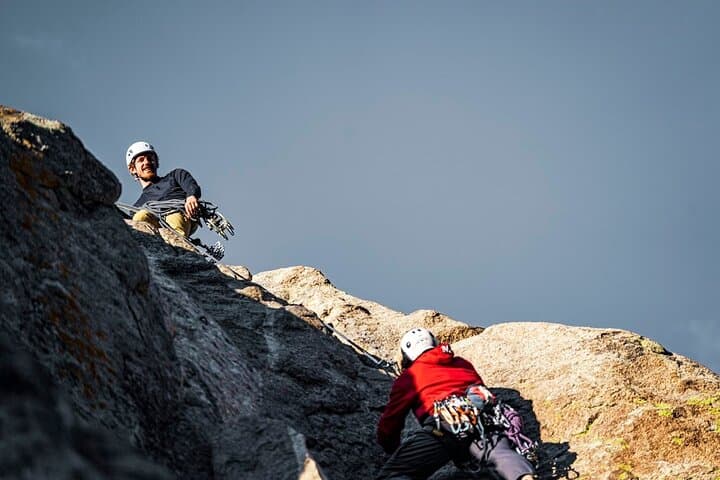
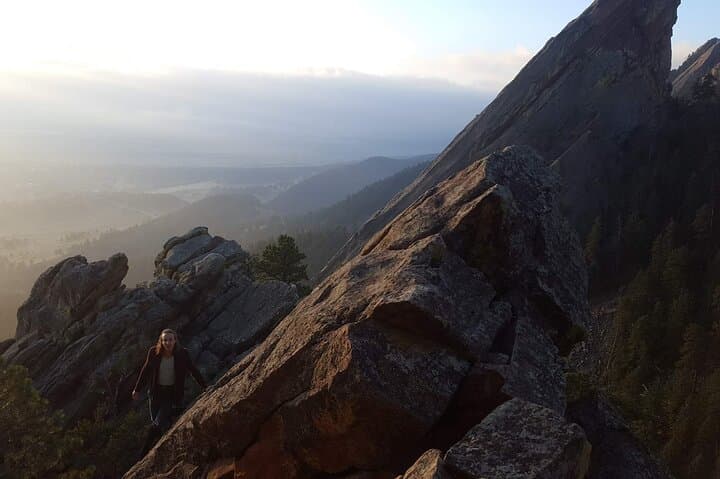
Geologically, the Flatirons date back over 290 million years. Layers of red sandstone, tilted nearly vertically by tectonic forces, stare down at adventurers daring enough to scale their faces. Climbers encounter textured rock surfaces that offer purchase while requiring careful foot placement. Your guide will cover climbing tactics and communication essentials before leading groups carefully upward.
This climb isn’t reserved for experts alone. Whether you’re a novice eager to tick a classic Colorado route or an experienced climber looking to sharpen your skills under local guidance, the pace and challenge adjust accordingly. Depending on the group, the full experience can stretch from three to six hours—a blend of hiking, instruction, and ascending.
Boulder itself complements the adventure with a vibrant outdoor culture, supportive climbing communities, and access to public transport. Climbers unable to bring their own equipment can rent gear arranged by the guide, reducing logistical burden.
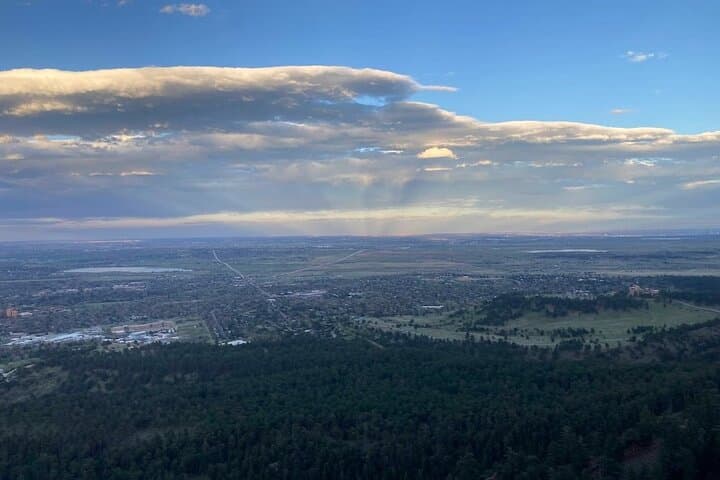
Plan your climb during spring through fall for the best conditions—winter introduces slippery ice and snow that complicate route-finding and grip. Early starts beat afternoon winds and capitalize on morning light, providing clear views of the Rockies and the city below.
Essential fitness means a moderate level of endurance to handle the hike and climb’s physical demands. Avoid this route if you have spinal or heart conditions, and always communicate any health concerns upfront. Footwear should be sturdy, with soles designed for rock traction. Hydration and sun protection are non-negotiable in the high-altitude sun.
For those looking past the climb, nearby Chautauqua Park offers quieter trails and picnic spots—a local gem for unwinding post-ascent. Wildlife sightings might include mule deer browsing the foothills or red-tailed hawks circling above. Respecting the fragile sandstone ecosphere and adhering to Leave No Trace ensures this climbing classic remains vibrant for future adventurers.
moderate.
3–6 hours.
Moderate physical fitness needed for sustained hiking and climbing. No pre-existing spinal or heart conditions recommended.
No prior experience is required; the guide provides instruction suitable for beginners to advanced climbers.
Yes, gear rental can be arranged in advance—check with the guide and arrive early to get fitted.
The approach hike is about 2–3 miles roundtrip with roughly 800 feet of elevation gain to the base of the climb.
Bring water, sun protection, sturdy footwear, and layered clothing to adapt to changing temperatures.
This tour isn’t recommended for travelers with spinal injuries or poor cardiovascular health due to physical demands.
Spring through fall offers the safest and most comfortable climbing conditions, with mornings preferred to avoid afternoon weather changes.
The Flatirons formed nearly 290 million years ago, tilted by mountain-building forces, and have long attracted climbers seeking accessible vertical challenges.
Visitors are encouraged to practice Leave No Trace to protect the delicate sandstone formations and native flora from erosion and human impact.
Gallant Wind Guiding operates guided outdoor trips and adventures with an emphasis on safety, stewardship, and memorable experiences.
Rising abruptly from the plains west of Boulder, the Flatirons are more than just jagged sandstone slabs—they’re a playground for climbers drawn by their approachable yet rewarding routes. The Flatiron Summit Climb offers an immersive experience tapping into this rugged terrain, blending a steady hike to the base with a guided climb that suits a range of skill levels.
Rising abruptly from the plains west of Boulder, the Flatirons are more than just jagged sandstone slabs—they’re a playground for climbers drawn by their approachable yet rewarding routes. The Flatiron Summit Climb offers an immersive experience tapping into this rugged terrain, blending a steady hike to the base with a guided climb that suits a range of skill levels.
The trailhead starts just outside Boulder, Colorado, a city perched on the foothills of the Rockies. From there, a 2-3 mile approach trail weaves through ponderosa pines and scrub oak, ascending about 800 feet. This moderately steep hike punishes the legs just enough to warm climbers up for what comes next—the vertical ascent.
Geologically, the Flatirons date back over 290 million years. Layers of red sandstone, tilted nearly vertically by tectonic forces, stare down at adventurers daring enough to scale their faces. Climbers encounter textured rock surfaces that offer purchase while requiring careful foot placement. Your guide will cover climbing tactics and communication essentials before leading groups carefully upward.
This climb isn’t reserved for experts alone. Whether you’re a novice eager to tick a classic Colorado route or an experienced climber looking to sharpen your skills under local guidance, the pace and challenge adjust accordingly. Depending on the group, the full experience can stretch from three to six hours—a blend of hiking, instruction, and ascending.
Boulder itself complements the adventure with a vibrant outdoor culture, supportive climbing communities, and access to public transport. Climbers unable to bring their own equipment can rent gear arranged by the guide, reducing logistical burden.
Plan your climb during spring through fall for the best conditions—winter introduces slippery ice and snow that complicate route-finding and grip. Early starts beat afternoon winds and capitalize on morning light, providing clear views of the Rockies and the city below.
Essential fitness means a moderate level of endurance to handle the hike and climb’s physical demands. Avoid this route if you have spinal or heart conditions, and always communicate any health concerns upfront. Footwear should be sturdy, with soles designed for rock traction. Hydration and sun protection are non-negotiable in the high-altitude sun.
For those looking past the climb, nearby Chautauqua Park offers quieter trails and picnic spots—a local gem for unwinding post-ascent. Wildlife sightings might include mule deer browsing the foothills or red-tailed hawks circling above. Respecting the fragile sandstone ecosphere and adhering to Leave No Trace ensures this climbing classic remains vibrant for future adventurers.