THE ADVENTURE COLLECTIVE® · Independent discovery and booking for outdoor travel

Skip the elevator and climb into Parisian history: this guided stair ascent to the Eiffel Tower’s second floor offers engineering stories, close‑up views of the ironwork, and an optional summit lift to top it off. Practical tips cover meeting logistics, fitness needs, and what to expect through security.
Skip the elevator and climb into Parisian history: this guided stair ascent to the Eiffel Tower’s second floor offers engineering stories, close‑up views of the ironwork, and an optional summit lift to top it off. Practical tips cover meeting logistics, fitness needs, and what to expect through security.
You step onto Rue Buenos-Ayres before the Tower itself; the iron giant waits across a stretch of grass and Seine air that tastes faintly of roasted chestnuts and diesel. Your guide gathers the group, checks tickets, and you begin—one step, then another—through the lattice that made 19th-century engineers proud and Paris furious.
Verified experiences and guided adventures in the surrounding area.
Operated by Epic Tours · Paris, Île-de-France
You step onto Rue Buenos-Ayres before the Tower itself; the iron giant waits across a stretch of grass and Seine air that tastes faintly of roasted chestnuts and diesel. Your guide gathers the group, checks tickets, and you begin—one step, then another—through the lattice that made 19th-century engineers proud and Paris furious.
Built for the 1889 Exposition Universelle, the Eiffel Tower began as a controversial demonstration of iron-frame engineering. Up close its rivets and girders read like living geology: layers of metal shaped by wind, time, and maintenance. The climb to the second floor (674 steps to the top of the stairs) reveals hidden details — salvaged stair sections, a glass floor on level one, and Gustave Eiffel’s reconstructed office perched near the summit if you choose the lift upgrade.
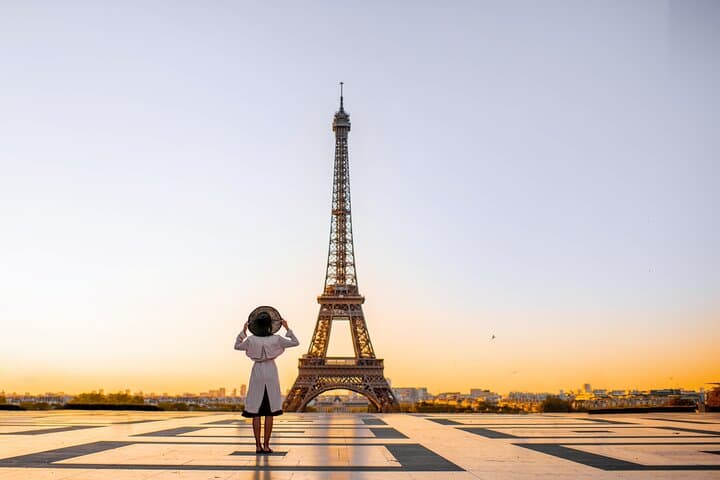
Culturally, the Tower anchors the Champ de Mars and frames Parisian ritual: picnics at dusk, photographers chasing the light, and boat horns on the Seine daring you to look away. Expect crowds, mandatory security, and occasional summit closures that can alter your plan.
Practical guidance: arrive 15 minutes early to the meeting point at 3 Rue Buenos-Ayres, bring a full water bottle, and wear closed shoes with good grip — the iron steps are uneven and can be slippery when wet. Allow 1–2 hours for the guided climb and extra time for security queues. If you chose the summit option you’ll switch to the elevator at the second floor per tower rules; otherwise linger on the lower platforms to take in sweeping views of Montmartre, the Louvre, and the Seine.
moderate.
1–2 hours.
Moderate — you should be comfortable climbing several hundred stairs and standing for views.
There are 674 steps from ground level to the second floor via the public staircases; the guided route ascends to the second floor by stair.
Yes if you selected the summit option you will take a lift from the second floor to the summit — tower rules require you go to the top first before returning to lower levels.
The stair ascent is not suitable for those who cannot manage many steps; summit access by elevator is available but meeting the group and accessing the first stair sections may still pose challenges.
Summit closures happen at the tower’s discretion; if the summit is closed and you booked it, you should receive a partial refund per the operator’s policy.
The Tower was completed in 1889 for the Exposition Universelle and initially drew fierce criticism before becoming an international icon of engineering and Parisian identity.
The tower undergoes continuous maintenance—regular repainting and inspections—to preserve its ironwork; large visitor numbers require careful queue management and waste stewardship.
Epic Tours operates guided outdoor trips and adventures with an emphasis on safety, stewardship, and memorable experiences.
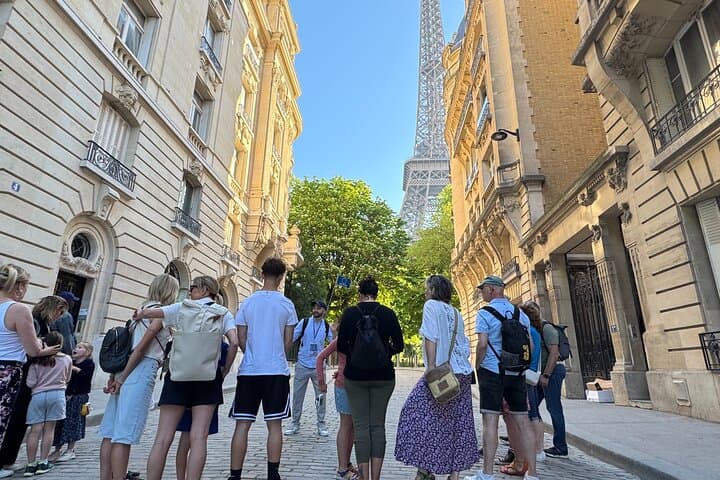
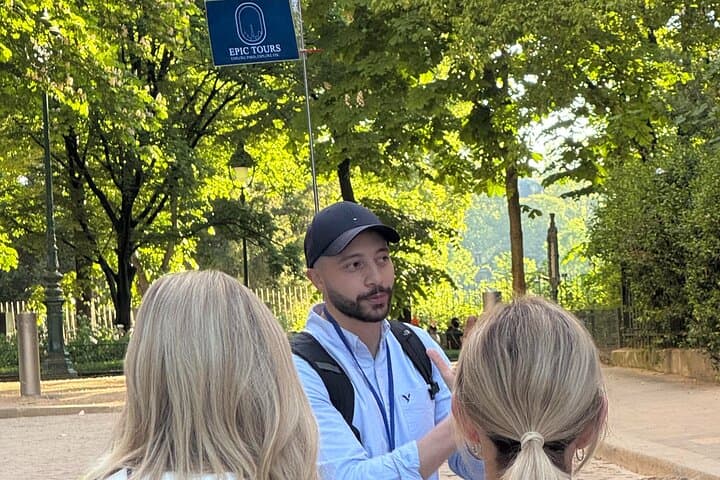
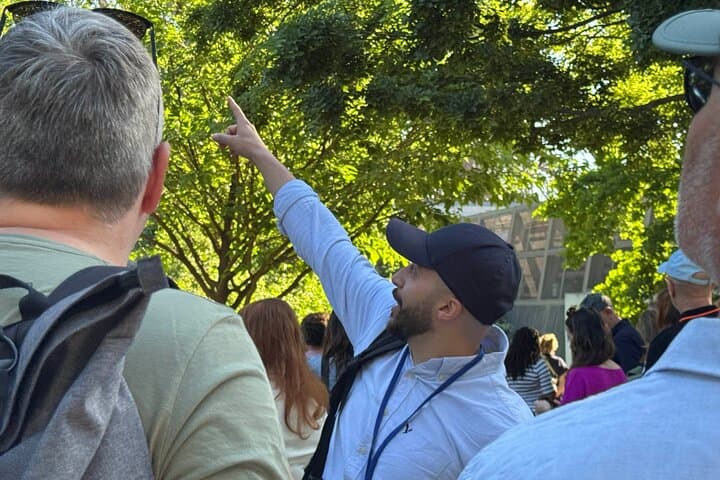
You step onto Rue Buenos-Ayres before the Tower itself; the iron giant waits across a stretch of grass and Seine air that tastes faintly of roasted chestnuts and diesel. Your guide gathers the group, checks tickets, and you begin—one step, then another—through the lattice that made 19th-century engineers proud and Paris furious.
You step onto Rue Buenos-Ayres before the Tower itself; the iron giant waits across a stretch of grass and Seine air that tastes faintly of roasted chestnuts and diesel. Your guide gathers the group, checks tickets, and you begin—one step, then another—through the lattice that made 19th-century engineers proud and Paris furious.
Built for the 1889 Exposition Universelle, the Eiffel Tower began as a controversial demonstration of iron-frame engineering. Up close its rivets and girders read like living geology: layers of metal shaped by wind, time, and maintenance. The climb to the second floor (674 steps to the top of the stairs) reveals hidden details — salvaged stair sections, a glass floor on level one, and Gustave Eiffel’s reconstructed office perched near the summit if you choose the lift upgrade.
Culturally, the Tower anchors the Champ de Mars and frames Parisian ritual: picnics at dusk, photographers chasing the light, and boat horns on the Seine daring you to look away. Expect crowds, mandatory security, and occasional summit closures that can alter your plan.
Practical guidance: arrive 15 minutes early to the meeting point at 3 Rue Buenos-Ayres, bring a full water bottle, and wear closed shoes with good grip — the iron steps are uneven and can be slippery when wet. Allow 1–2 hours for the guided climb and extra time for security queues. If you chose the summit option you’ll switch to the elevator at the second floor per tower rules; otherwise linger on the lower platforms to take in sweeping views of Montmartre, the Louvre, and the Seine.