THE ADVENTURE COLLECTIVE® · Independent discovery and booking for outdoor travel

Scale sea-facing routes at Cabo da Roca on a private, full-day climb with a certified guide. Expect short approaches, exposed ledges, and sweeping Atlantic views—ideal for climbers who want coastal rock with tailored instruction.
Scale sea-facing routes at Cabo da Roca on a private, full-day climb with a certified guide. Expect short approaches, exposed ledges, and sweeping Atlantic views—ideal for climbers who want coastal rock with tailored instruction.
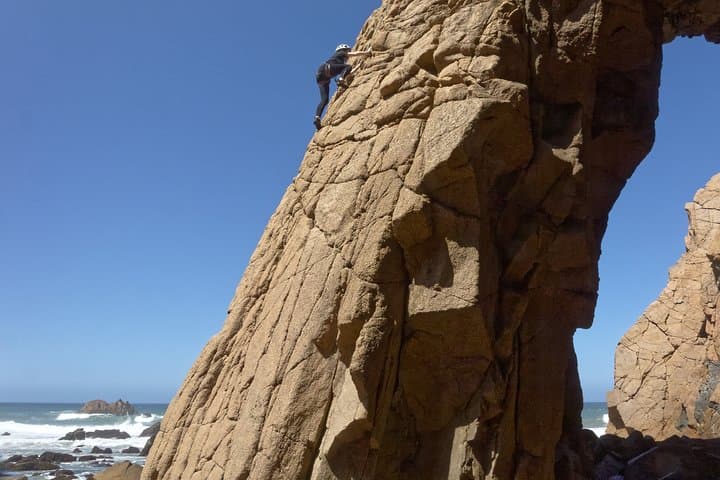
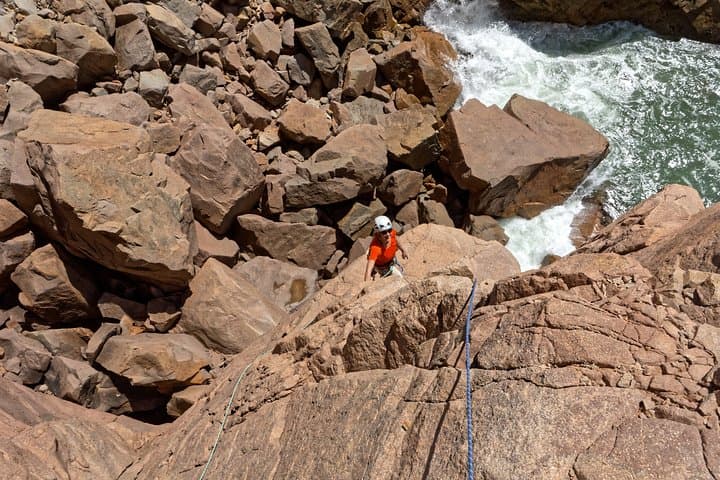
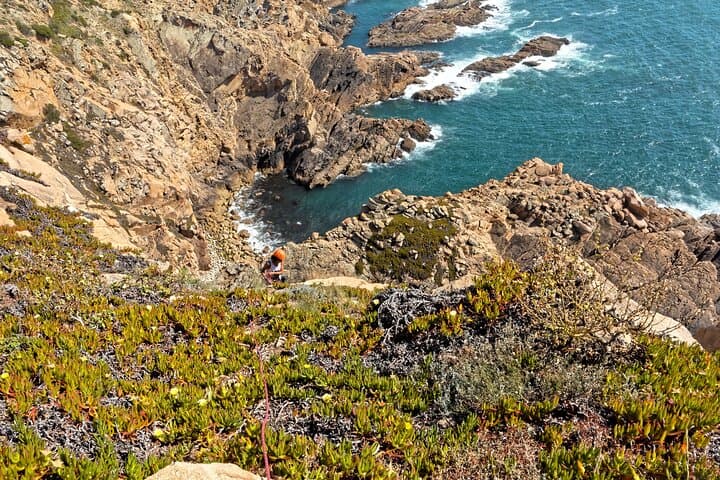
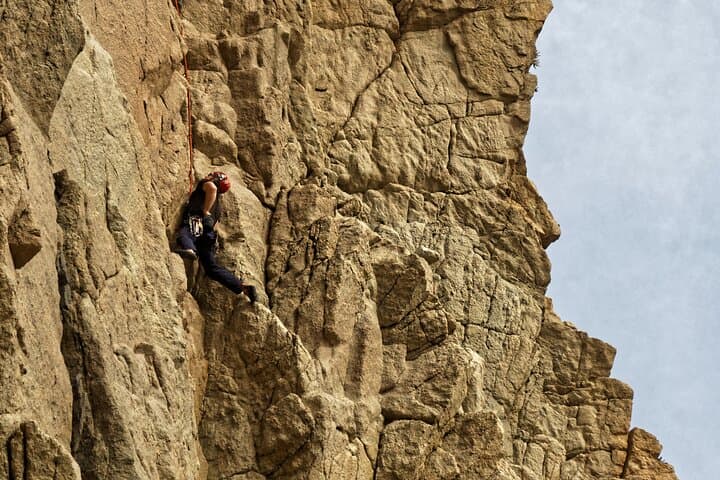
The Atlantic pulls at the edge of the world here: wind-driven spray, shale ledges, and a lighthouse that keeps its slow vigil. You meet your guide in the morning and follow a narrow track where scrub gives way to sheer rock—this is climbing with the sea at your feet, routes cut into coastal limestone and schist that rise directly from the surf.
Verified experiences and guided adventures in the surrounding area.
Operated by Verticalis · Sintra, Lisbon District
The Atlantic pulls at the edge of the world here: wind-driven spray, shale ledges, and a lighthouse that keeps its slow vigil. You meet your guide in the morning and follow a narrow track where scrub gives way to sheer rock—this is climbing with the sea at your feet, routes cut into coastal limestone and schist that rise directly from the surf.
Cabo da Roca is the westernmost point of mainland Europe, its cliffs shaped by Pleistocene uplift and relentless Atlantic erosion. Mariners and poets have long marked this headland; a 19th-century lighthouse and a stone plaque quote Luís de Camões warning sailors of distance. The area sits inside the Sintra-Cascais Natural Park, where dry grasses, low pines, and resilient shrubs shelter nesting seabirds and the occasional seal offshore.
This private, instructor-led day adapts routes to your level: top-ropes and single-pitch leads on coastal buttresses, short approaches, and anchored belays with clear views of hidden coves below. Expect exposed ledges, loose rock in places, and gusty winds that demand focused footwork.
Practical guidance: wear sticky-soled climbing shoes and a comfortable harness (helmets provided). Bring warm, windproof layers, a water reservoir, sun protection, and shoes for wet, rocky approaches. Timing matters—aim for morning starts to avoid strongest afternoon winds and thicker crowds at viewpoints. Communicate any medical or mobility limits in advance; guides will set routes suited to your experience. With the right preparation, climbing Cabo da Roca is a direct, elemental experience—rock pulling you up, the Atlantic daring you to look down.
moderate.
8–10 hours (full-day).
Moderate fitness: able to scramble, stand for multiple pitches, and manage sustained concentration.
No—guides tailor routes for beginners and experienced climbers; basic fitness and comfort with heights are recommended.
Infants must sit on an adult’s lap and are not suitable for climbs; older children can participate if they meet height and fitness requirements—check with the operator.
The operator may reschedule or alter routes; cliffs are exposed and unsafe in heavy rain or high winds—confirm cancellation policy at booking.
Guides supply helmets and harnesses; confirm whether shoes and personal gear are available or if you should bring your own.
Cabo da Roca marks mainland Europe’s western edge and has long been a navigational and cultural landmark, referenced by poets and mapped since the Age of Discovery.
The headland lies within Sintra-Cascais Natural Park; stick to established trails, avoid disturbing nesting birds, and pack out all waste to protect fragile coastal vegetation.
Verticalis operates guided outdoor trips and adventures with an emphasis on safety, stewardship, and memorable experiences.
The Atlantic pulls at the edge of the world here: wind-driven spray, shale ledges, and a lighthouse that keeps its slow vigil. You meet your guide in the morning and follow a narrow track where scrub gives way to sheer rock—this is climbing with the sea at your feet, routes cut into coastal limestone and schist that rise directly from the surf.
The Atlantic pulls at the edge of the world here: wind-driven spray, shale ledges, and a lighthouse that keeps its slow vigil. You meet your guide in the morning and follow a narrow track where scrub gives way to sheer rock—this is climbing with the sea at your feet, routes cut into coastal limestone and schist that rise directly from the surf.
Cabo da Roca is the westernmost point of mainland Europe, its cliffs shaped by Pleistocene uplift and relentless Atlantic erosion. Mariners and poets have long marked this headland; a 19th-century lighthouse and a stone plaque quote Luís de Camões warning sailors of distance. The area sits inside the Sintra-Cascais Natural Park, where dry grasses, low pines, and resilient shrubs shelter nesting seabirds and the occasional seal offshore.
This private, instructor-led day adapts routes to your level: top-ropes and single-pitch leads on coastal buttresses, short approaches, and anchored belays with clear views of hidden coves below. Expect exposed ledges, loose rock in places, and gusty winds that demand focused footwork.
Practical guidance: wear sticky-soled climbing shoes and a comfortable harness (helmets provided). Bring warm, windproof layers, a water reservoir, sun protection, and shoes for wet, rocky approaches. Timing matters—aim for morning starts to avoid strongest afternoon winds and thicker crowds at viewpoints. Communicate any medical or mobility limits in advance; guides will set routes suited to your experience. With the right preparation, climbing Cabo da Roca is a direct, elemental experience—rock pulling you up, the Atlantic daring you to look down.