THE ADVENTURE COLLECTIVE® · Independent discovery and booking for outdoor travel

Ascend the 200‑m Lion Rock and explore the painted galleries of Dambulla in a single, full-day excursion. This tour pairs a strenuous heritage climb with cool cave temples — ideal for travelers who want culture and a clear view from above.
Ascend the 200‑m Lion Rock and explore the painted galleries of Dambulla in a single, full-day excursion. This tour pairs a strenuous heritage climb with cool cave temples — ideal for travelers who want culture and a clear view from above.
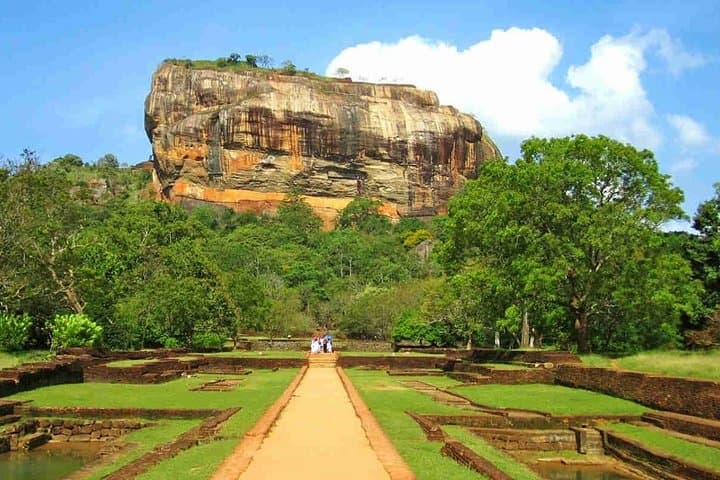
You start before dawn, a small minivan threading through paddy and scrub as the horizon lightens; Sigiriya’s flat-topped rock appears like a solitary watchtower, the limestone face warming as you approach.
Verified experiences and guided adventures in the surrounding area.
Operated by daytoursrilanka · Sigiriya, Central Province
You start before dawn, a small minivan threading through paddy and scrub as the horizon lightens; Sigiriya’s flat-topped rock appears like a solitary watchtower, the limestone face warming as you approach.
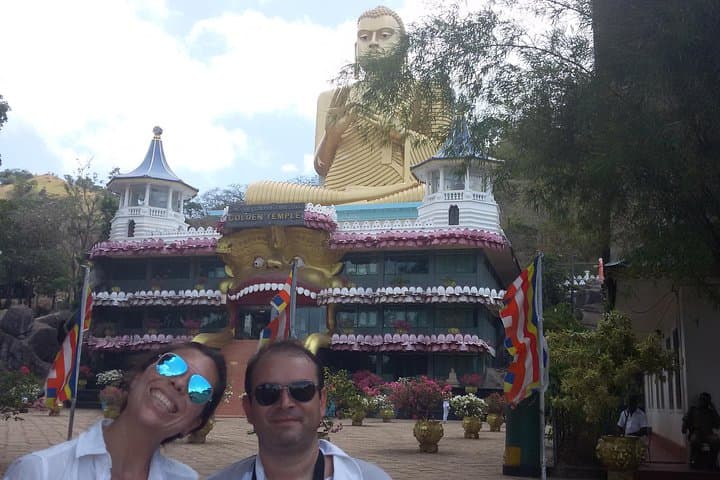
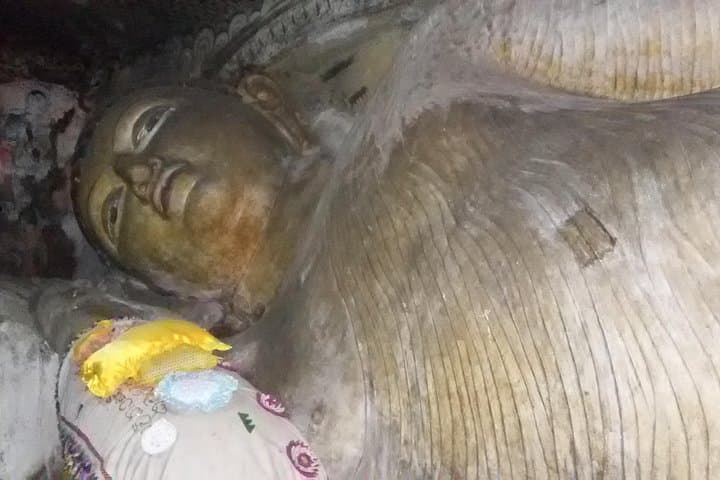
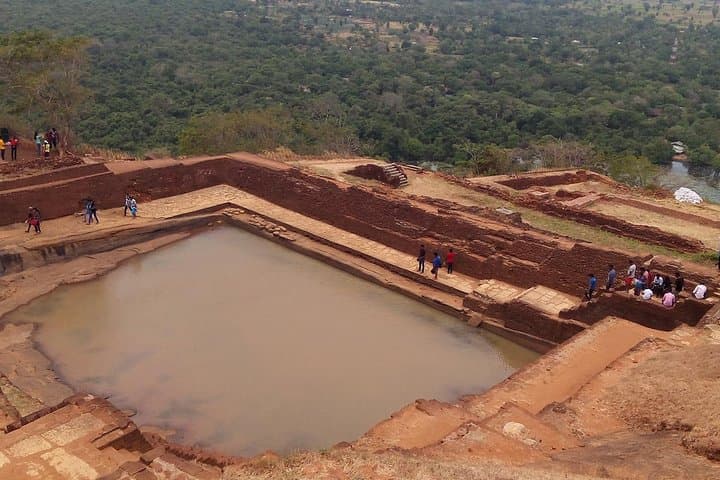
The climb up Sigiriya is both a physical route and a walk through history: King Kasyapa’s 5th-century palace ruins, the painted frescoes on the sheltered rock faces, and the half-lion gateway that gives the site its name. Geologically, the 200‑metre column is an ancient magma plug resisting erosion, rising from the Central Plains and framing views over mixed forest and rural fields below. A short drive away, the Dambulla Cave Temple offers contrasting coolness — five rock-cut caverns filled with Buddha statues and gilded murals linked to centuries of Buddhist practice.
Culturally, the route threads imperial ambition and monastic devotion; locally, villages around Habarana and Dambulla still support traditional rice farming and small-scale tourism services. Expect granite steps, iron stairways, and narrow ledges — the climb is steep but broken by platforms where the wind and view catch you.
Practical guidance: start early to beat heat and crowds, carry 1–2 liters of water, and wear shoes with good grip — sections can be slippery after rain. Allow roughly 10 hours including hotel pickup, transit, and visits; budget modest entrance fees at each site. If you have vertigo, choose lower viewpoints or remain at the fresco gallery. Respect temple dress codes at Dambulla (shoulders and knees covered) and leave no litter; these sites are UNESCO-listed and best appreciated by keeping them intact for the next climber.
moderate.
10 hours.
Moderate fitness — includes steep stair climbs and uneven surfaces; some rest breaks available at platforms
Expect about 10 hours including hotel pickup, transit between sites, and time at Sigiriya and Dambulla.
Children in good health can usually manage with supervision; people with significant mobility issues or severe vertigo will find sections difficult and should consider staying at lower viewpoints.
Typically entrance fees for Sigiriya and Dambulla are not included in basic tour rates; confirm with the operator prior to booking.
No — this tour notes that lunch is not included, though drivers often stop at roadside restaurants where you can purchase meals.
Sigiriya was King Kasyapa’s 5th-century hilltop citadel and later a Buddhist monastery; Dambulla’s cave complex contains centuries of painted murals and Buddha images linked to ancient pilgrimage routes.
Both sites are UNESCO-listed and managed for preservation; visitors should avoid touching frescoes, stay on marked paths, and carry out all waste.
daytoursrilanka operates guided outdoor trips and adventures with an emphasis on safety, stewardship, and memorable experiences.
You start before dawn, a small minivan threading through paddy and scrub as the horizon lightens; Sigiriya’s flat-topped rock appears like a solitary watchtower, the limestone face warming as you approach.
You start before dawn, a small minivan threading through paddy and scrub as the horizon lightens; Sigiriya’s flat-topped rock appears like a solitary watchtower, the limestone face warming as you approach.
The climb up Sigiriya is both a physical route and a walk through history: King Kasyapa’s 5th-century palace ruins, the painted frescoes on the sheltered rock faces, and the half-lion gateway that gives the site its name. Geologically, the 200‑metre column is an ancient magma plug resisting erosion, rising from the Central Plains and framing views over mixed forest and rural fields below. A short drive away, the Dambulla Cave Temple offers contrasting coolness — five rock-cut caverns filled with Buddha statues and gilded murals linked to centuries of Buddhist practice.
Culturally, the route threads imperial ambition and monastic devotion; locally, villages around Habarana and Dambulla still support traditional rice farming and small-scale tourism services. Expect granite steps, iron stairways, and narrow ledges — the climb is steep but broken by platforms where the wind and view catch you.
Practical guidance: start early to beat heat and crowds, carry 1–2 liters of water, and wear shoes with good grip — sections can be slippery after rain. Allow roughly 10 hours including hotel pickup, transit, and visits; budget modest entrance fees at each site. If you have vertigo, choose lower viewpoints or remain at the fresco gallery. Respect temple dress codes at Dambulla (shoulders and knees covered) and leave no litter; these sites are UNESCO-listed and best appreciated by keeping them intact for the next climber.