THE ADVENTURE COLLECTIVE® · Independent discovery and booking for outdoor travel

A full‑day circuit from Trincomalee that pairs the dramatic summit views of Sigiriya’s rock fortress with the painted sanctity of Dambulla’s cave temples. Expect steep stairs, ancient murals, spice gardens and a crash course in central Sri Lanka’s cultural geography.
A full‑day circuit from Trincomalee that pairs the dramatic summit views of Sigiriya’s rock fortress with the painted sanctity of Dambulla’s cave temples. Expect steep stairs, ancient murals, spice gardens and a crash course in central Sri Lanka’s cultural geography.
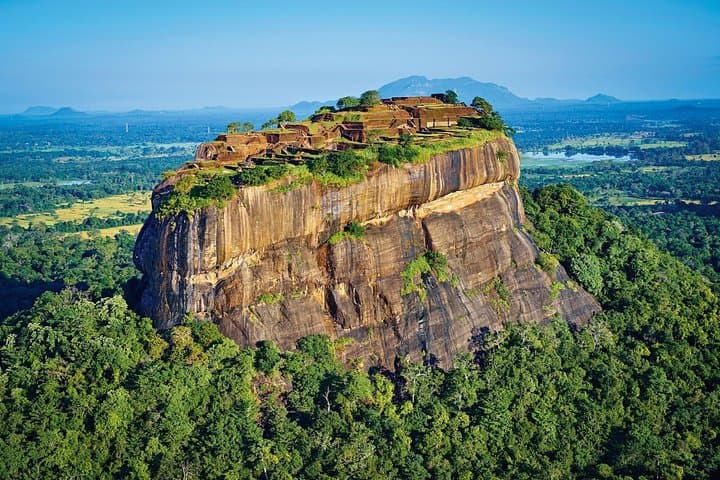
You arrive before the heat settles over the plains: a low-slung bus exhales a puff of air and your guide points to a dark column rising out of green paddy fields — Sigiriya, the so-called Lion Rock, folding the sky into itself.
Verified experiences and guided adventures in the surrounding area.
Operated by Classical Lanka Tours · Sigiriya, Central Province
You arrive before the heat settles over the plains: a low-slung bus exhales a puff of air and your guide points to a dark column rising out of green paddy fields — Sigiriya, the so-called Lion Rock, folding the sky into itself.
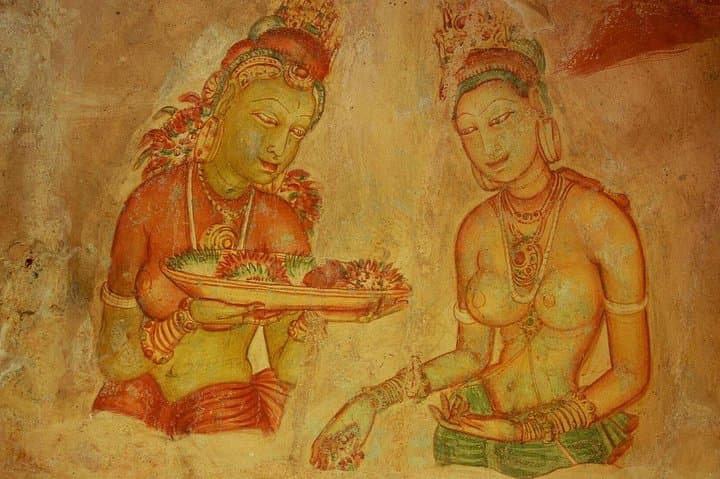
The ascent begins with a series of staircases pinned to bare stone. At first the walk is shaded by tamarind and jackfruit, then the stairs spill out and the fortress shows itself in stages: the water gardens laid out with geometrical calm, the fresco-sheltered gallery, the bronze plaques that mark the approach to the lion’s paws. From the summit the central plains flatten like a map; rice paddies, tanks and the silhouette of Dambulla’s cave ridge puncture the horizon.
Sigiriya is both a geological oddity and a human project—an almost 200‑metre volcanic plug transformed in the 5th century CE by King Kasyapa into an elevated palace and defensive stronghold. Archaeologists argue over earlier monastic uses, but the visible legacy is unmistakably royal: engineered gardens, engineered waterworks and a carved ideological threshold at the lion’s gate.
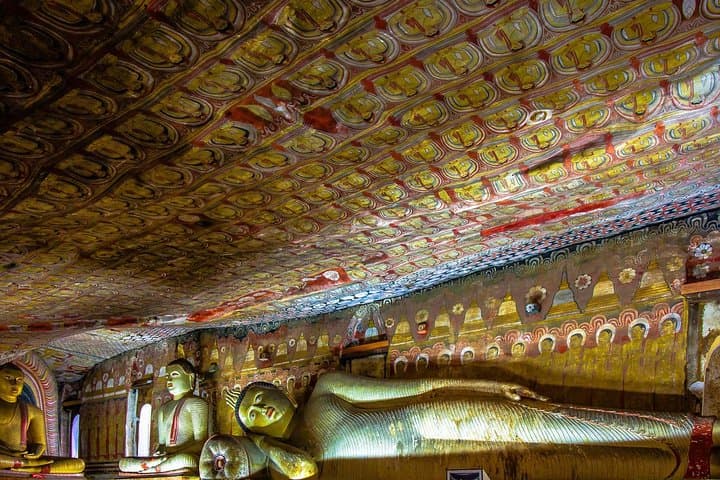
An hour’s drive away, the Dambulla Cave Temple sits under its own ridgeline, a cluster of five caverns repainted and re‑freshed for centuries. Inside, Buddha statues in reclining and seated poses share the cool, laminated darkness with narrative murals that extend along the vaulted ceilings—devotional projects that turned natural caverns into an architectural reliquary.
The day tour often folds in local culture: a spice garden where scents become a practical lesson in curries and ayurvedic staples; a gem museum that explains Sri Lanka’s gem trade ties to India and the Silk Road; and workshops where woodcarving is still a family craft.
Practicalities: plan for an 8–10 hour day, arrive at Sigiriya early to avoid midday sun and the biggest crowds, and allow time to remove shoes and shoulders-cover at Dambulla. The climbs include steep metal stairs and uneven rock surfaces—reasonable mobility and steady footing are required. Carry at least 1–2 liters of water, sun protection and insect repellent; a light scarf is useful inside the cave temples.
Timing makes the trip. Sunrise walks to Sigiriya cast the frescoes in side light and offer the best air; late afternoon softens the plains for photography. Respect sacred zones at Dambulla—photography is sometimes restricted inside the caves and modest dress is expected.
For travelers coming from Trincomalee, this day tour condenses central Sri Lanka’s overlapping stories—royal ambition, Buddhist devotion and craft economies—into a single, compact loop that keeps both history and landscape in view.
moderate.
8–10 hours.
Suitable for travelers with moderate fitness who can manage uneven paths and several hundred stairs; not recommended for those with severe mobility limits.
The tour runs about 8–10 hours depending on pickup location and time spent at each site.
The climb involves steep sections and metal staircases; people in reasonable health can do it, but it’s moderately strenuous.
Admissions are typically not included for Sigiriya and Dambulla in this listing, so plan to purchase tickets on arrival unless the operator confirms otherwise.
Families with older children can manage the sites, but infants and very young children may struggle with the climbs and heat.
Photography rules can vary by cave—follow posted signs and temple staff instructions; modest dress and respectful behavior are required.
Light breathable clothing, a hat, closed‑toe shoes, and a scarf for temple areas; remove shoes before entering cave shrines.
Sigiriya was converted into an elevated palace‑fortress by King Kasyapa in the 5th century CE; Dambulla’s caves have been used as a Buddhist temple complex for over two millennia and are a UNESCO World Heritage site.
Both sites face pressure from tourism and development; stick to marked paths, avoid touching frescoes and support local conservation by choosing accredited guides and shops.
Classical Lanka Tours operates guided outdoor trips and adventures with an emphasis on safety, stewardship, and memorable experiences.
You arrive before the heat settles over the plains: a low-slung bus exhales a puff of air and your guide points to a dark column rising out of green paddy fields — Sigiriya, the so-called Lion Rock, folding the sky into itself.
You arrive before the heat settles over the plains: a low-slung bus exhales a puff of air and your guide points to a dark column rising out of green paddy fields — Sigiriya, the so-called Lion Rock, folding the sky into itself.
The ascent begins with a series of staircases pinned to bare stone. At first the walk is shaded by tamarind and jackfruit, then the stairs spill out and the fortress shows itself in stages: the water gardens laid out with geometrical calm, the fresco-sheltered gallery, the bronze plaques that mark the approach to the lion’s paws. From the summit the central plains flatten like a map; rice paddies, tanks and the silhouette of Dambulla’s cave ridge puncture the horizon.
Sigiriya is both a geological oddity and a human project—an almost 200‑metre volcanic plug transformed in the 5th century CE by King Kasyapa into an elevated palace and defensive stronghold. Archaeologists argue over earlier monastic uses, but the visible legacy is unmistakably royal: engineered gardens, engineered waterworks and a carved ideological threshold at the lion’s gate.
An hour’s drive away, the Dambulla Cave Temple sits under its own ridgeline, a cluster of five caverns repainted and re‑freshed for centuries. Inside, Buddha statues in reclining and seated poses share the cool, laminated darkness with narrative murals that extend along the vaulted ceilings—devotional projects that turned natural caverns into an architectural reliquary.
The day tour often folds in local culture: a spice garden where scents become a practical lesson in curries and ayurvedic staples; a gem museum that explains Sri Lanka’s gem trade ties to India and the Silk Road; and workshops where woodcarving is still a family craft.
Practicalities: plan for an 8–10 hour day, arrive at Sigiriya early to avoid midday sun and the biggest crowds, and allow time to remove shoes and shoulders-cover at Dambulla. The climbs include steep metal stairs and uneven rock surfaces—reasonable mobility and steady footing are required. Carry at least 1–2 liters of water, sun protection and insect repellent; a light scarf is useful inside the cave temples.
Timing makes the trip. Sunrise walks to Sigiriya cast the frescoes in side light and offer the best air; late afternoon softens the plains for photography. Respect sacred zones at Dambulla—photography is sometimes restricted inside the caves and modest dress is expected.
For travelers coming from Trincomalee, this day tour condenses central Sri Lanka’s overlapping stories—royal ambition, Buddhist devotion and craft economies—into a single, compact loop that keeps both history and landscape in view.