THE ADVENTURE COLLECTIVE® · Independent discovery and booking for outdoor travel

Learn to climb on Madeira’s eastern cliffs at Ponta de São Lourenço: a four-hour, beginner-focused session that blends technical instruction with dramatic sea views. Expect single-pitch routes on volcanic rock, small groups, and hands-on belay practice.
Learn to climb on Madeira’s eastern cliffs at Ponta de São Lourenço: a four-hour, beginner-focused session that blends technical instruction with dramatic sea views. Expect single-pitch routes on volcanic rock, small groups, and hands-on belay practice.
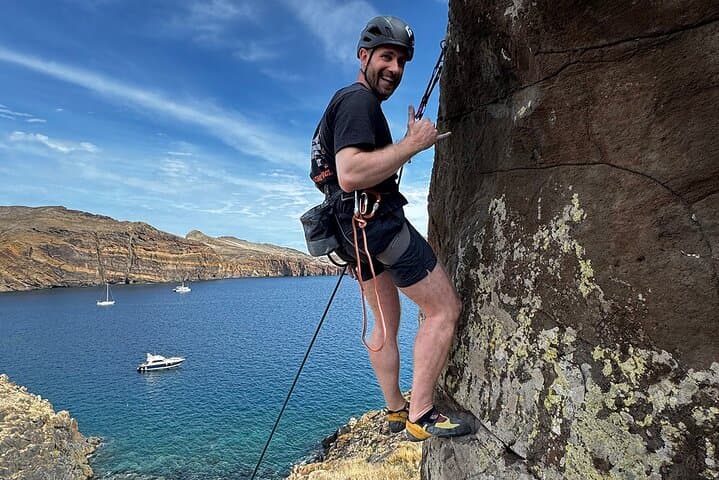
The first thing you notice at Ponta de São Lourenço is how the wind moves differently here — sharp, salty, almost conversational as it pushes across bare volcanic ridges and the Atlantic scrapes the base of the cliffs. On a clear morning the sea is a hard, electric blue; gulls quarter the thermals while guides rig ropes against a backdrop of rust-red rock and a sky that feels very close.
Verified experiences and guided adventures in the surrounding area.
Operated by Madeira Climbing Center · Caniçal, Madeira
The first thing you notice at Ponta de São Lourenço is how the wind moves differently here — sharp, salty, almost conversational as it pushes across bare volcanic ridges and the Atlantic scrapes the base of the cliffs. On a clear morning the sea is a hard, electric blue; gulls quarter the thermals while guides rig ropes against a backdrop of rust-red rock and a sky that feels very close.
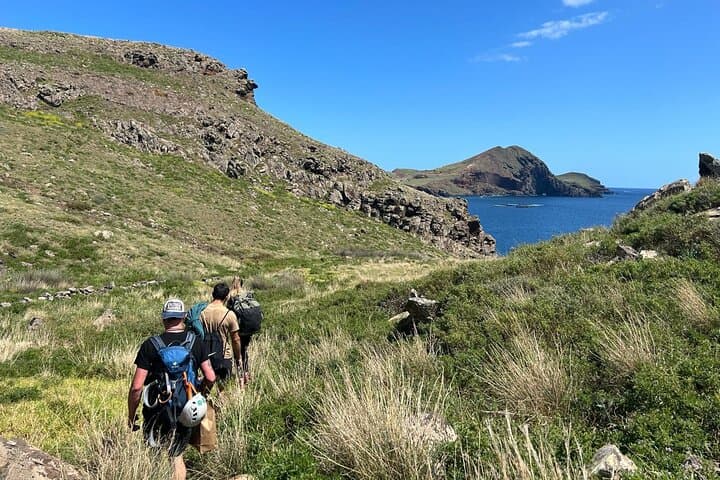
This four-hour climb-and-learn session caters to true beginners and those wanting to sharpen fundamentals. The crags around Ponta de São Lourenço are the island’s exposed classroom: single-pitch routes on compact basalt and tuff, typically 15–30 meters high, with short approaches (5–20 minutes) across scrub and fractured stone. The peninsula’s geology is recent in island terms — lava flows and welded ash that built the eastern promontory — and it presents a contrast to Madeira’s verdant interior. That contrast has shaped local history: sailors once used the point as a landmark, and the area later served as a lookout; today it’s a protected natural reserve where wind and sea continue to sculpt the cliffs.
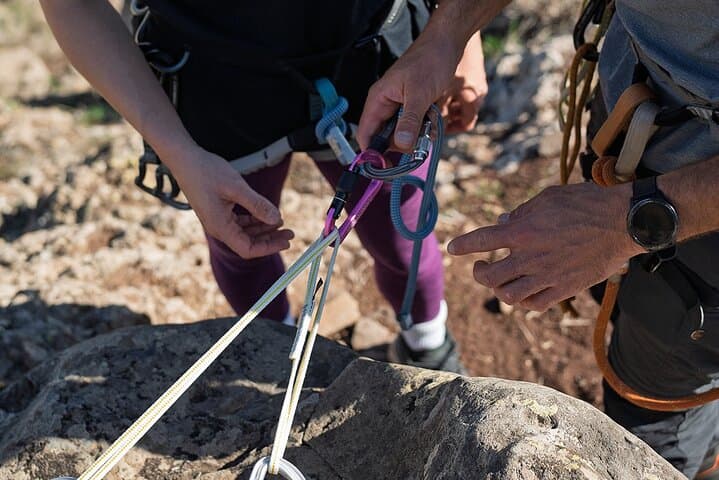
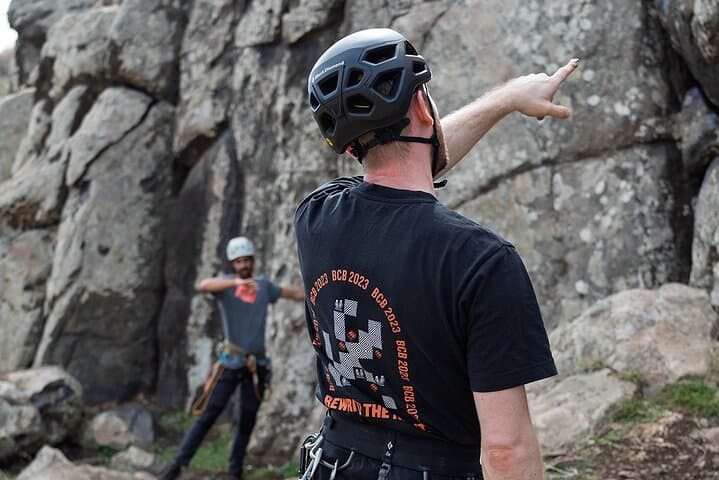
Culturally, the session is as much about technique as context. Guides teach shoes-on-rock footwork, rope systems, and how to belay safely — a practical rhythm that turns fear into competence. Expect hands-on practice at the belay ledge, top-rope climbs, and coached descents. Snacks and water are provided, and groups are capped small to keep instruction focused.
Practical guidance: arrive with sturdy approach shoes and a light daypack; the sun is direct here and shade is sparse. Hydrate before you start — plan 1–1.5 liters per person for summer — and layer for wind. Footing can be sharp and loose in places, so a moderate fitness level and basic balance are helpful. Routes are single-pitch; climbers under medical constraints (spinal, cardiovascular, pregnancy) should skip this one.
Safety and sustainability are part of the session: anchors are inspected, helmets and harnesses supplied, and guides emphasize leaving no trace on this fragile microclimate. If you’re photographing, bring a zoom and a weather-sealed body — spray and grit are constant companions.
Why go? Because the climbing here is concise and elemental: short, technical moves over rock that smells of salt and sun, with the Atlantic daring you from below. Whether you’re clipping your first carabiner or refining belay technique, this is an efficient, scenic introduction to outdoor climbing on Madeira.
moderate.
4 hours.
Moderate — comfortable standing, scrambling short distances, and climbing a few 15–30m routes with instruction.
No — the course is designed for beginners; instructors cover basic technique and belaying before you climb.
Groups are capped at eight climbers to keep instruction focused and safe.
Yes — harnesses, helmets, ropes, and climbing hardware are supplied as part of the session.
Moderate — expect short scrambles and climbing up to 30m; a reasonable level of fitness and no serious medical issues are required.
You meet at the designated start point on the Ponta de São Lourenço trailhead; guides mark the spot with an orange flag and sign.
The operator cancels for bad weather and offers a full refund if you cancel at least 24 hours in advance.
Ponta de São Lourenço formed through relatively recent volcanic activity and served historically as a navigational point and lookout; today it’s a protected natural reserve.
The peninsula is ecologically fragile; guides enforce stay-on-trail policies and minimize chalk/gear impact to protect native plant communities.
Madeira Climbing Center operates guided outdoor trips and adventures with an emphasis on safety, stewardship, and memorable experiences.
The first thing you notice at Ponta de São Lourenço is how the wind moves differently here — sharp, salty, almost conversational as it pushes across bare volcanic ridges and the Atlantic scrapes the base of the cliffs. On a clear morning the sea is a hard, electric blue; gulls quarter the thermals while guides rig ropes against a backdrop of rust-red rock and a sky that feels very close.
The first thing you notice at Ponta de São Lourenço is how the wind moves differently here — sharp, salty, almost conversational as it pushes across bare volcanic ridges and the Atlantic scrapes the base of the cliffs. On a clear morning the sea is a hard, electric blue; gulls quarter the thermals while guides rig ropes against a backdrop of rust-red rock and a sky that feels very close.
This four-hour climb-and-learn session caters to true beginners and those wanting to sharpen fundamentals. The crags around Ponta de São Lourenço are the island’s exposed classroom: single-pitch routes on compact basalt and tuff, typically 15–30 meters high, with short approaches (5–20 minutes) across scrub and fractured stone. The peninsula’s geology is recent in island terms — lava flows and welded ash that built the eastern promontory — and it presents a contrast to Madeira’s verdant interior. That contrast has shaped local history: sailors once used the point as a landmark, and the area later served as a lookout; today it’s a protected natural reserve where wind and sea continue to sculpt the cliffs.
Culturally, the session is as much about technique as context. Guides teach shoes-on-rock footwork, rope systems, and how to belay safely — a practical rhythm that turns fear into competence. Expect hands-on practice at the belay ledge, top-rope climbs, and coached descents. Snacks and water are provided, and groups are capped small to keep instruction focused.
Practical guidance: arrive with sturdy approach shoes and a light daypack; the sun is direct here and shade is sparse. Hydrate before you start — plan 1–1.5 liters per person for summer — and layer for wind. Footing can be sharp and loose in places, so a moderate fitness level and basic balance are helpful. Routes are single-pitch; climbers under medical constraints (spinal, cardiovascular, pregnancy) should skip this one.
Safety and sustainability are part of the session: anchors are inspected, helmets and harnesses supplied, and guides emphasize leaving no trace on this fragile microclimate. If you’re photographing, bring a zoom and a weather-sealed body — spray and grit are constant companions.
Why go? Because the climbing here is concise and elemental: short, technical moves over rock that smells of salt and sun, with the Atlantic daring you from below. Whether you’re clipping your first carabiner or refining belay technique, this is an efficient, scenic introduction to outdoor climbing on Madeira.