THE ADVENTURE COLLECTIVE® · Independent discovery and booking for outdoor travel

Climb Nevado Pisco, Peru’s approachable 5,752m peak known as the balcony of the Cordillera Blanca. Discover panoramic views of Peru’s highest mountains and prepare for an unforgettable alpine ascent ideal for beginners and acclimatization.
Climb Nevado Pisco, Peru’s approachable 5,752m peak known as the balcony of the Cordillera Blanca. Discover panoramic views of Peru’s highest mountains and prepare for an unforgettable alpine ascent ideal for beginners and acclimatization.
Rising sharply above the sweeping valleys of Huaraz, Nevado Pisco stakes its claim as the approachable gateway to Peru’s high Andes. Known as the "balcony of the Cordillera Blanca," this 5,752-meter peak offers panoramic views that stretch across a constellation of iconic snow-capped summits—from the jagged slopes of Chacraraju to the pyramid-like peak of Artesonraju, and the towering masses of Huascarán, Peru’s highest mountain. The ascent pulls you through an alpine world where glaciers dare your every step and crisp air pushes you upward.
Verified experiences and guided adventures in the surrounding area.
Operated by Andean Raju Expeditions · Huaraz, Ancash
Rising sharply above the sweeping valleys of Huaraz, Nevado Pisco stakes its claim as the approachable gateway to Peru’s high Andes. Known as the "balcony of the Cordillera Blanca," this 5,752-meter peak offers panoramic views that stretch across a constellation of iconic snow-capped summits—from the jagged slopes of Chacraraju to the pyramid-like peak of Artesonraju, and the towering masses of Huascarán, Peru’s highest mountain. The ascent pulls you through an alpine world where glaciers dare your every step and crisp air pushes you upward.
The Cordillera Blanca itself is the largest tropical ice-covered mountain range on Earth, sculpted by millennia of tectonic upheaval and relentless glacial action. Amid this rugged terrain, Pisco stands out not for sheer technical challenge but for its strategic position and stunning vistas, attracting climbers who seek moderate altitude exposure with breathtaking reward.
Historically, Pisco’s name is tied to the traditional Peruvian brandy that porters famously toasted at the summit during the first recorded ascent. Today, it remains a favored acclimatization climb for mountaineers prepping for more demanding peaks in the region, its relatively straightforward normal route making it accessible to beginners with solid fitness.
The landscape unfolds in layers: below, valleys snaked by crystal-clear rivers shimmer; above, glaciers gleam under ever-changing skies. The mountain’s twin summits — east and west — are connected by a gentle ridge that invites climbers to pause and drink in the breadth of the Cordillera Blanca’s beauty.
Practically, the climb requires good fitness and basic alpine skills, including handling crampons and ice axes on snow and ice. Expeditions usually last about 7 hours from base camp, with certified guides available for English and Spanish speakers. Participants are equipped with full safety gear, and nutritious meals are provided along the way to keep energy steady. Because altitude sickness is a real risk at these heights, climbers should acclimatize properly in Huaraz before attempting.
The route’s terrain is a mix of firn slopes and glaciers, demanding surefootedness and attention to weather changes that can turn wind and cold into serious obstacles. Timing your climb during the dry season, between May and September, maximizes your chances for clear skies.
A climb up Pisco not only challenges physical limits but immerses you in the geological forces shaping the Andes while threading through Peru’s rich cultural heritage. Its status as a mountain for both first-timers and seasoned climbers makes it one of the most rewarding high-altitude experiences in South America.
For adventurers in Huaraz, scaling Pisco is a purposeful step into the vastness of the Cordillera Blanca—a chance to stand atop a natural balcony that invites reflection, awe, and the quiet thrill of altitude.
moderate.
6–8 hours.
Participants should have good cardiovascular fitness and be comfortable hiking on snow and ice.
The dry season, from May to September, offers the most stable weather and safer climbing conditions.
Basic skills with crampons and ice axes are recommended, but the climb is suitable for beginners with proper guidance.
Yes, at 5,752 meters the risk is real; adequate acclimatization in Huaraz is crucial.
Good cardiovascular fitness and comfort with extended hikes on snow and ice are needed.
Professional guides certified in IFMGA / UIAGM are provided to ensure safety and support.
Meals, safety equipment, tents, transport, and support from guides and porters are included.
Pisco mountain's name is linked to the traditional Peruvian spirit celebrated by porters on the first ascent.
The Cordillera Blanca is a protected area with efforts focused on minimizing climber impact and preserving glacial ecosystems.
Andean Raju Expeditions operates guided outdoor trips and adventures with an emphasis on safety, stewardship, and memorable experiences.
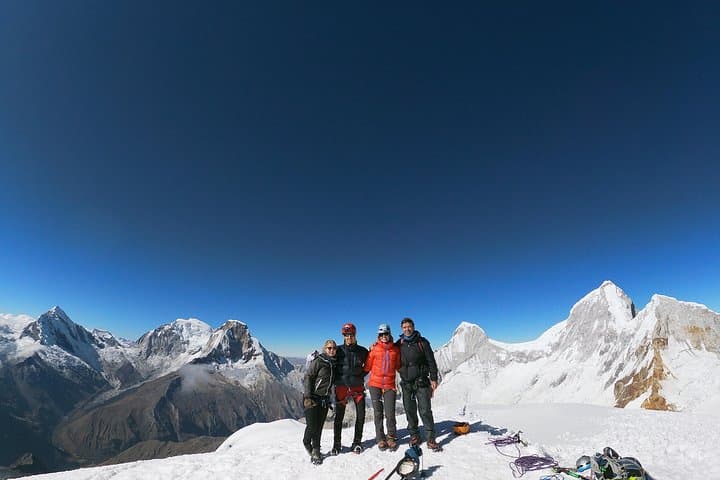
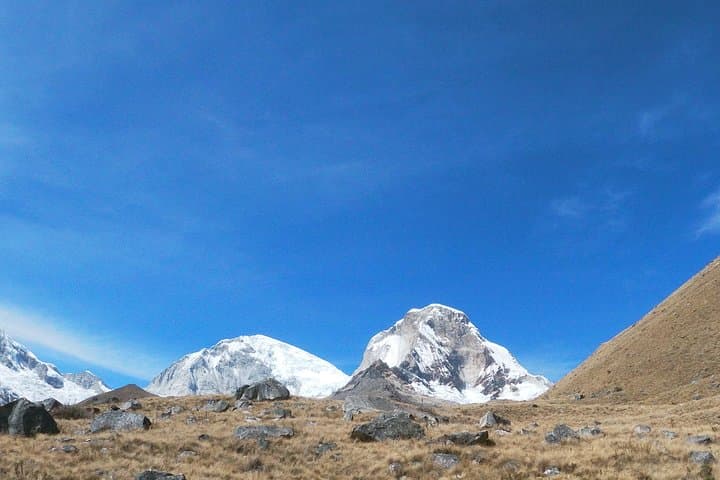
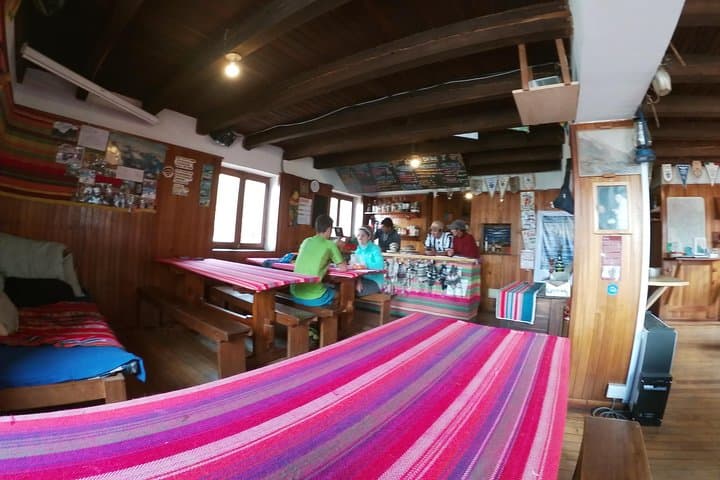
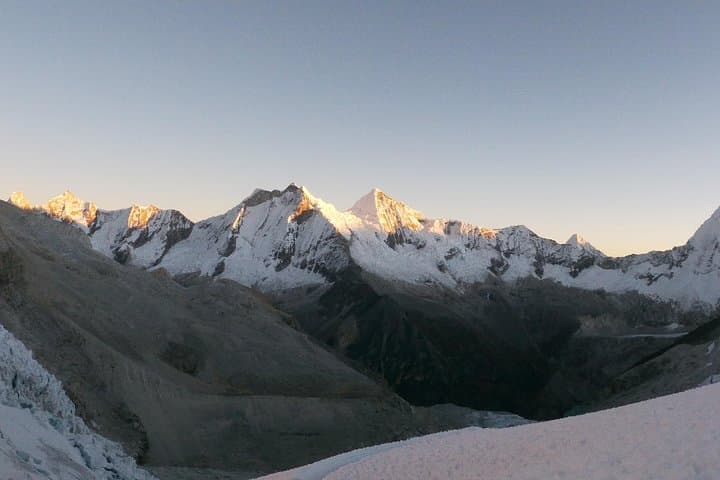
Rising sharply above the sweeping valleys of Huaraz, Nevado Pisco stakes its claim as the approachable gateway to Peru’s high Andes. Known as the "balcony of the Cordillera Blanca," this 5,752-meter peak offers panoramic views that stretch across a constellation of iconic snow-capped summits—from the jagged slopes of Chacraraju to the pyramid-like peak of Artesonraju, and the towering masses of Huascarán, Peru’s highest mountain. The ascent pulls you through an alpine world where glaciers dare your every step and crisp air pushes you upward.
Rising sharply above the sweeping valleys of Huaraz, Nevado Pisco stakes its claim as the approachable gateway to Peru’s high Andes. Known as the "balcony of the Cordillera Blanca," this 5,752-meter peak offers panoramic views that stretch across a constellation of iconic snow-capped summits—from the jagged slopes of Chacraraju to the pyramid-like peak of Artesonraju, and the towering masses of Huascarán, Peru’s highest mountain. The ascent pulls you through an alpine world where glaciers dare your every step and crisp air pushes you upward.
The Cordillera Blanca itself is the largest tropical ice-covered mountain range on Earth, sculpted by millennia of tectonic upheaval and relentless glacial action. Amid this rugged terrain, Pisco stands out not for sheer technical challenge but for its strategic position and stunning vistas, attracting climbers who seek moderate altitude exposure with breathtaking reward.
Historically, Pisco’s name is tied to the traditional Peruvian brandy that porters famously toasted at the summit during the first recorded ascent. Today, it remains a favored acclimatization climb for mountaineers prepping for more demanding peaks in the region, its relatively straightforward normal route making it accessible to beginners with solid fitness.
The landscape unfolds in layers: below, valleys snaked by crystal-clear rivers shimmer; above, glaciers gleam under ever-changing skies. The mountain’s twin summits — east and west — are connected by a gentle ridge that invites climbers to pause and drink in the breadth of the Cordillera Blanca’s beauty.
Practically, the climb requires good fitness and basic alpine skills, including handling crampons and ice axes on snow and ice. Expeditions usually last about 7 hours from base camp, with certified guides available for English and Spanish speakers. Participants are equipped with full safety gear, and nutritious meals are provided along the way to keep energy steady. Because altitude sickness is a real risk at these heights, climbers should acclimatize properly in Huaraz before attempting.
The route’s terrain is a mix of firn slopes and glaciers, demanding surefootedness and attention to weather changes that can turn wind and cold into serious obstacles. Timing your climb during the dry season, between May and September, maximizes your chances for clear skies.
A climb up Pisco not only challenges physical limits but immerses you in the geological forces shaping the Andes while threading through Peru’s rich cultural heritage. Its status as a mountain for both first-timers and seasoned climbers makes it one of the most rewarding high-altitude experiences in South America.
For adventurers in Huaraz, scaling Pisco is a purposeful step into the vastness of the Cordillera Blanca—a chance to stand atop a natural balcony that invites reflection, awe, and the quiet thrill of altitude.