THE ADVENTURE COLLECTIVE® · Independent discovery and booking for outdoor travel

Scale a 12‑meter wall on the Pilar 7 pillar of Ponte 25 de Abril—a hands-on, hour-long introduction to sport climbing set beneath one of Lisbon’s most dramatic structures. All gear and instruction are provided, making it ideal for first-timers and families.
Scale a 12‑meter wall on the Pilar 7 pillar of Ponte 25 de Abril—a hands-on, hour-long introduction to sport climbing set beneath one of Lisbon’s most dramatic structures. All gear and instruction are provided, making it ideal for first-timers and families.
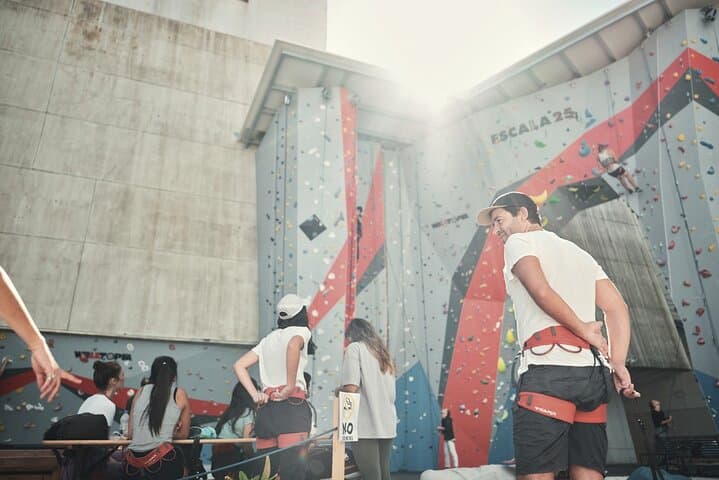
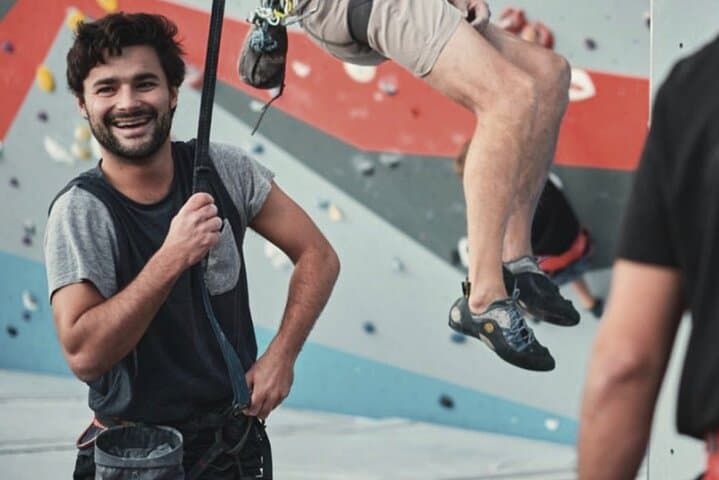
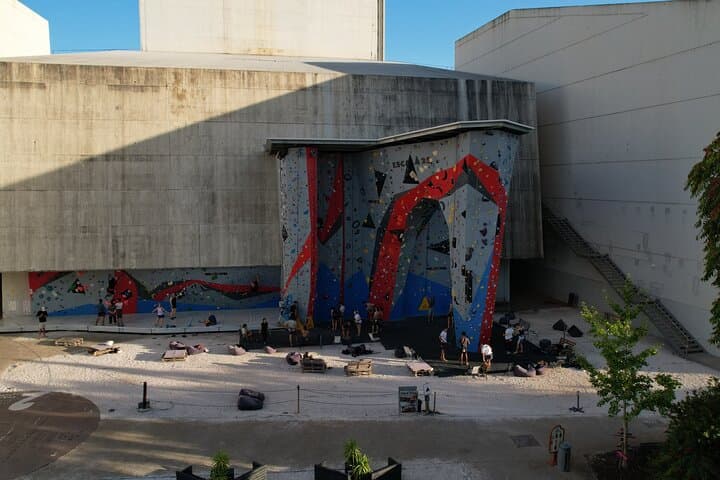
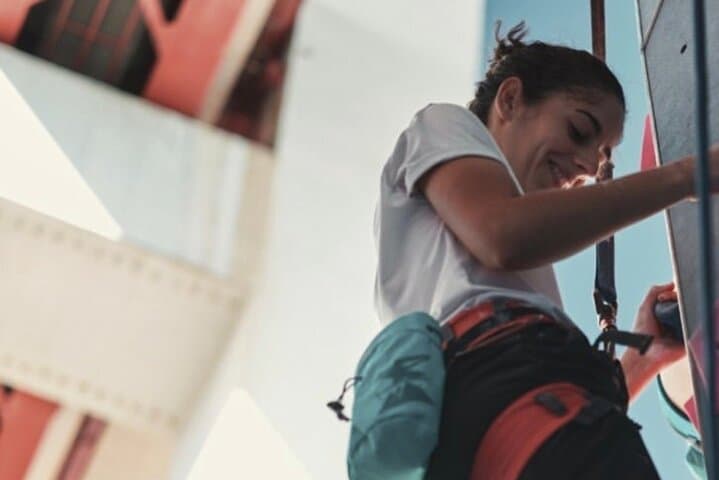
You arrive under the bridge and the first thing that registers is the sound: a low, continuous hum of traffic above, gulls cutting across the Tagus, and the metallic echo of rivets and steel that make the bridge feel alive. The red span of Ponte 25 de Abril looms overhead; its piers throw long shadows across the concrete apron where the Pilar 7 Experience has converted a working pillar into a vertical playground. Guides fit harnesses with practiced hands, ropes kiss belay devices, and an auto-belay waits like a patient partner.
Verified experiences and guided adventures in the surrounding area.
Operated by Escala25 · Lisbon, Lisbon
You arrive under the bridge and the first thing that registers is the sound: a low, continuous hum of traffic above, gulls cutting across the Tagus, and the metallic echo of rivets and steel that make the bridge feel alive. The red span of Ponte 25 de Abril looms overhead; its piers throw long shadows across the concrete apron where the Pilar 7 Experience has converted a working pillar into a vertical playground. Guides fit harnesses with practiced hands, ropes kiss belay devices, and an auto-belay waits like a patient partner.
The climb here is as much about context as height. The bridge—opened in the 1960s—was built with American engineering and later renamed to mark Portugal’s 1974 Carnation Revolution. Pilar 7 turned an industrial structure into a public experience, pairing engineering history with urban adventure: you’re not scaling a mountain, you’re ascending a landmark that helped reshape a nation’s modern infrastructure.
Geology is subtle here: the Tagus estuary shaped the shoreline, and the bridge’s concrete footings sit on compacted sediments rather than granite crags. That means routes are bolted to steel and concrete, so the climbing style is engineered and sport-focused—short, technical routes up to about 12 meters that favor balance and footwork over long endurance pitches.
Culturally the site is a city-center attraction. Locals bring overseas visitors to show how Lisbon makes use of its waterfront—yoga by the docks, ferries to Cacilhas, and cafés where fishermen swap tips. The Pilar 7 Experience packages that urban energy into an hour-long lesson: bouldering mats, an auto-belay wall, and roped routes with a certified guide who’ll teach knots, movement, and safe belaying.
Practical matters are straightforward. The activity runs about 60 minutes with all safety gear provided—shoes, harness, helmet, chalk, rope and belay devices. Groups are small (up to eight), and guides tailor instruction to beginners and families. It’s suitable for most fitness levels, but not recommended for people with spinal injuries. Book in advance, allow time for check-in at the Pilar 7 reception, and expect wind off the river—dress in layers and bring a light windbreaker.
By the end of the session you’ll have climbed several routes, tried the auto-belay, and likely belayed another climber. The takeaway isn’t just a photo beneath a giant red bridge; it’s a concise introduction to sport climbing skills you can use at crags or indoor walls.
If you go: aim for morning or late afternoon light for photos, bring a small towel to dry chalk-dusted hands, and pair the climb with a riverside walk to Belém or a ferry ride to Almada to see the bridge from a different angle.
moderate.
1 hour.
Light to moderate fitness; participants should be able to climb short flights of stairs and stand for brief instruction periods.
No. The Introduction to Sport Climbing is designed for beginners; guides teach knots, belaying, and basic movement on the wall.
Children are welcome but age requirements vary—booking questions request age and passport details, so check during reservation.
Yes: climbing shoes, harness, helmet, chalk, ropes and belay devices are included in the price.
Sessions may be canceled in adverse weather; you can get a full refund if you cancel at least 24 hours before the scheduled time.
Climbers should avoid carrying loose items while on the wall; use a phone with a secure strap or have a partner take photos from the deck.
Pilar 7 is accessible from central Lisbon by bus or tram to Alcântara/Cais do Sodré and a short walk along the riverside; public transport details are listed at booking.
Ponte 25 de Abril opened in the 1960s and was renamed after the 1974 Carnation Revolution; Pilar 7 repurposes one of its massive piers as a public access point.
Operators use shared gear and enforce chalk and route rules to limit wear; stay on designated surfaces to protect the structure and riverbank habitat.
Escala25 operates guided outdoor trips and adventures with an emphasis on safety, stewardship, and memorable experiences.
You arrive under the bridge and the first thing that registers is the sound: a low, continuous hum of traffic above, gulls cutting across the Tagus, and the metallic echo of rivets and steel that make the bridge feel alive. The red span of Ponte 25 de Abril looms overhead; its piers throw long shadows across the concrete apron where the Pilar 7 Experience has converted a working pillar into a vertical playground. Guides fit harnesses with practiced hands, ropes kiss belay devices, and an auto-belay waits like a patient partner.
You arrive under the bridge and the first thing that registers is the sound: a low, continuous hum of traffic above, gulls cutting across the Tagus, and the metallic echo of rivets and steel that make the bridge feel alive. The red span of Ponte 25 de Abril looms overhead; its piers throw long shadows across the concrete apron where the Pilar 7 Experience has converted a working pillar into a vertical playground. Guides fit harnesses with practiced hands, ropes kiss belay devices, and an auto-belay waits like a patient partner.
The climb here is as much about context as height. The bridge—opened in the 1960s—was built with American engineering and later renamed to mark Portugal’s 1974 Carnation Revolution. Pilar 7 turned an industrial structure into a public experience, pairing engineering history with urban adventure: you’re not scaling a mountain, you’re ascending a landmark that helped reshape a nation’s modern infrastructure.
Geology is subtle here: the Tagus estuary shaped the shoreline, and the bridge’s concrete footings sit on compacted sediments rather than granite crags. That means routes are bolted to steel and concrete, so the climbing style is engineered and sport-focused—short, technical routes up to about 12 meters that favor balance and footwork over long endurance pitches.
Culturally the site is a city-center attraction. Locals bring overseas visitors to show how Lisbon makes use of its waterfront—yoga by the docks, ferries to Cacilhas, and cafés where fishermen swap tips. The Pilar 7 Experience packages that urban energy into an hour-long lesson: bouldering mats, an auto-belay wall, and roped routes with a certified guide who’ll teach knots, movement, and safe belaying.
Practical matters are straightforward. The activity runs about 60 minutes with all safety gear provided—shoes, harness, helmet, chalk, rope and belay devices. Groups are small (up to eight), and guides tailor instruction to beginners and families. It’s suitable for most fitness levels, but not recommended for people with spinal injuries. Book in advance, allow time for check-in at the Pilar 7 reception, and expect wind off the river—dress in layers and bring a light windbreaker.
By the end of the session you’ll have climbed several routes, tried the auto-belay, and likely belayed another climber. The takeaway isn’t just a photo beneath a giant red bridge; it’s a concise introduction to sport climbing skills you can use at crags or indoor walls.
If you go: aim for morning or late afternoon light for photos, bring a small towel to dry chalk-dusted hands, and pair the climb with a riverside walk to Belém or a ferry ride to Almada to see the bridge from a different angle.