THE ADVENTURE COLLECTIVE® · Independent discovery and booking for outdoor travel

A full‑day guided ascent to Ponta do Pico offers strenuous volcanic terrain, a final exposed scramble up the Piquinho, and panoramic views across the central Azores. Prepare for loose rock, rapidly changing weather, and an 8–12 hour outing guided by a local expert.
A full‑day guided ascent to Ponta do Pico offers strenuous volcanic terrain, a final exposed scramble up the Piquinho, and panoramic views across the central Azores. Prepare for loose rock, rapidly changing weather, and an 8–12 hour outing guided by a local expert.
You meet at the Mountain House before dawn, coffee in hand, fingers numb from the cool Atlantic air. Headlamps fade as the guide sets a steady pace up paths of shattered basalt; the slope opens to raw volcanic plates that demand careful footing and measured breaths. Above, the Piquinho—an exposed 70‑meter final rise—looms like a last exam before the plastered panorama of ocean and islands unfolds.
Verified experiences and guided adventures in the surrounding area.
Operated by Land Tours · Madalena, Azores
You meet at the Mountain House before dawn, coffee in hand, fingers numb from the cool Atlantic air. Headlamps fade as the guide sets a steady pace up paths of shattered basalt; the slope opens to raw volcanic plates that demand careful footing and measured breaths. Above, the Piquinho—an exposed 70‑meter final rise—looms like a last exam before the plastered panorama of ocean and islands unfolds.
Pico is a dormant stratovolcano whose silhouette has guided sailors for centuries. The island’s human story blends vineyard terraces carved from lava and a whaling past visible in small harbors and museums in Madalena. Geologically, the route crosses fragmented pahoehoe and a’a fields, fumaroles at rest, and the rim of a crater that hints at the mountain’s fire-built past.
Expect steep, uneven surfaces underfoot and weather that can shift from bright sun to wind-driven mist within an hour. The guide paces the group, managing rest stops and technical routing across loose rock; the summit rewards effort with 360° views that include São Jorge’s knife-edge ridges and Faial’s caldera.
Practical notes: the climb is an all‑day commitment—plan for 8–12 hours, durable boots, layered clothing, and 2–3 liters of water. Use trekking poles for stability on scree and bring snacks that restore salt and energy. Respect trail markers and keep to established paths to protect fragile mosses and traditional vineyard landscapes below. With proper preparation, the summit of Pico is a clear, honest challenge—muscle and patience meet volcano and ocean.
challenging.
8–12 hours.
Requires high aerobic fitness and leg strength; regular hikers who train with long uphill days will be comfortable.
Guided departures run about 8–12 hours round trip with sustained uphill sections and uneven volcanic terrain; it’s rated challenging and requires good fitness.
No technical ropes or harnesses are normally required for standard guided climbs, but the final 70‑m Piquinho is exposed and demands surefootedness and sometimes hands-on scrambling.
A certified guide is strongly recommended—trails cross loose lava fields and weather can obscure route markers; local guides also manage safety and pacing for the group.
The summit is 2,351 m so altitude effects are possible for sensitive individuals; people with heart or spinal issues, or who are pregnant, should avoid the climb and consult a physician beforehand.
Pico’s volcanic soils created unique vineyard systems in the 18th–19th centuries; the island later supported a whaling economy that shaped local culture and architecture.
Trails cross fragile lichen and moss communities; staying on marked routes and carrying out all waste helps protect slow‑recovering volcanic soils.
Land Tours operates guided outdoor trips and adventures with an emphasis on safety, stewardship, and memorable experiences.
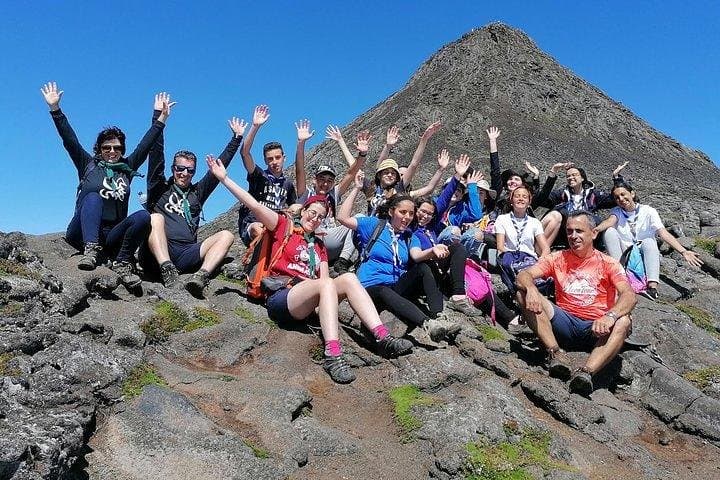
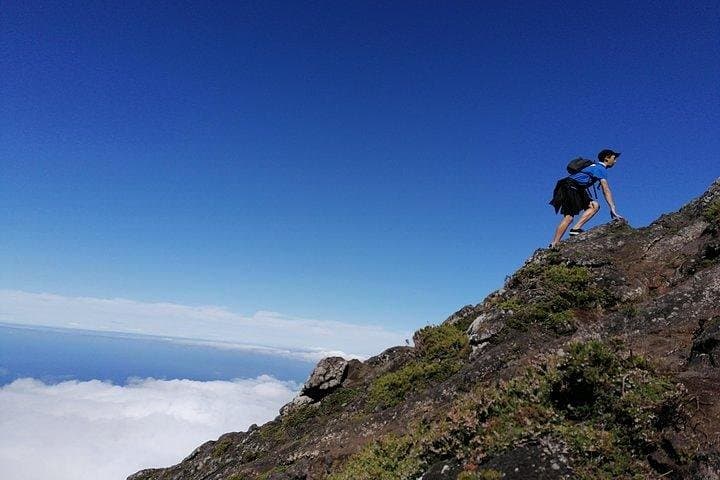
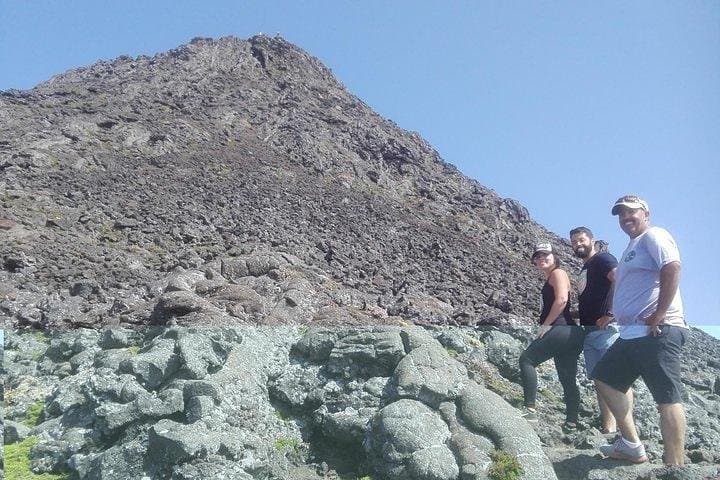
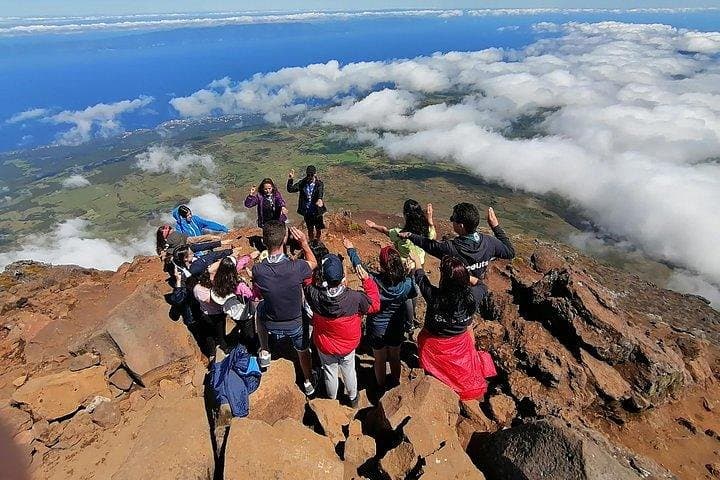
You meet at the Mountain House before dawn, coffee in hand, fingers numb from the cool Atlantic air. Headlamps fade as the guide sets a steady pace up paths of shattered basalt; the slope opens to raw volcanic plates that demand careful footing and measured breaths. Above, the Piquinho—an exposed 70‑meter final rise—looms like a last exam before the plastered panorama of ocean and islands unfolds.
You meet at the Mountain House before dawn, coffee in hand, fingers numb from the cool Atlantic air. Headlamps fade as the guide sets a steady pace up paths of shattered basalt; the slope opens to raw volcanic plates that demand careful footing and measured breaths. Above, the Piquinho—an exposed 70‑meter final rise—looms like a last exam before the plastered panorama of ocean and islands unfolds.
Pico is a dormant stratovolcano whose silhouette has guided sailors for centuries. The island’s human story blends vineyard terraces carved from lava and a whaling past visible in small harbors and museums in Madalena. Geologically, the route crosses fragmented pahoehoe and a’a fields, fumaroles at rest, and the rim of a crater that hints at the mountain’s fire-built past.
Expect steep, uneven surfaces underfoot and weather that can shift from bright sun to wind-driven mist within an hour. The guide paces the group, managing rest stops and technical routing across loose rock; the summit rewards effort with 360° views that include São Jorge’s knife-edge ridges and Faial’s caldera.
Practical notes: the climb is an all‑day commitment—plan for 8–12 hours, durable boots, layered clothing, and 2–3 liters of water. Use trekking poles for stability on scree and bring snacks that restore salt and energy. Respect trail markers and keep to established paths to protect fragile mosses and traditional vineyard landscapes below. With proper preparation, the summit of Pico is a clear, honest challenge—muscle and patience meet volcano and ocean.