THE ADVENTURE COLLECTIVE® · Independent discovery and booking for outdoor travel

Scale Pan di Zucchero with a certified guide on a half-day via ferrata that follows old miners' paths to a 133 m summit. Expect exposed steel rungs, dramatic coastal views, and instruction-by-guides for newcomers.
Scale Pan di Zucchero with a certified guide on a half-day via ferrata that follows old miners' paths to a 133 m summit. Expect exposed steel rungs, dramatic coastal views, and instruction-by-guides for newcomers.
A rubber dinghy parts the Mediterranean like a hand pushing a curtain aside, depositing climbers at the base of Pan di Zucchero. The rock rises—133 meters of limestone and history—from blue water, its sheer face scoured by storms and time. Under a certified mountain guide, visitors clip into a via ferrata system and move along steel rungs and cables that thread old miners’ paths to a summit rim with wind-bent views of the Iglesiente coast.
Verified experiences and guided adventures in the surrounding area.
Operated by Big Alpine Guide · Masua, Sardinia
A rubber dinghy parts the Mediterranean like a hand pushing a curtain aside, depositing climbers at the base of Pan di Zucchero. The rock rises—133 meters of limestone and history—from blue water, its sheer face scoured by storms and time. Under a certified mountain guide, visitors clip into a via ferrata system and move along steel rungs and cables that thread old miners’ paths to a summit rim with wind-bent views of the Iglesiente coast.
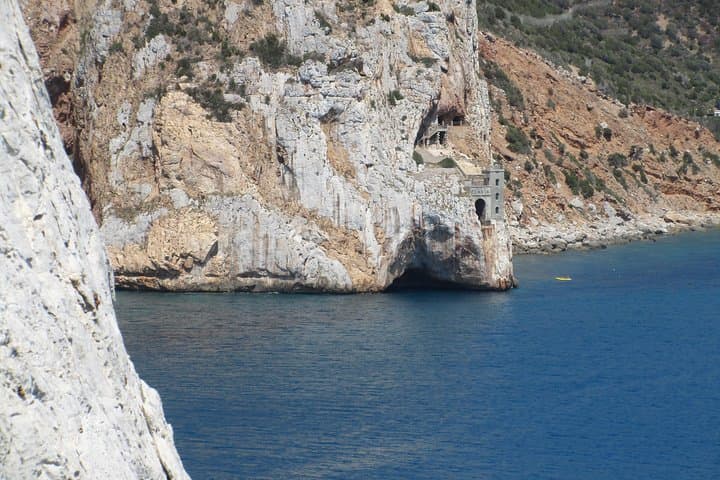
Geology here is blunt and visible: compacted Carboniferous limestone carved into a freestanding stack by wave erosion and quarrying. The route follows early 20th-century mining traces—tunnels and drill holes testify to Sardinia’s extraction past and the labor that shaped the shoreline. Local culture still carries mining echoes in nearby villages; guides often point out ruined infrastructure and explain how communities adapted to the sea and stone.
Practical guidance: the half-day itinerary runs about four hours including boat transfer time. Expect exposed climbing on fixed cables, short vertical sections, and a final circular crest walk. The guide provides helmet, harness, and via ferrata kit and teaches safe clipping techniques on arrival. Bring sturdy approach shoes with good grip, a water bottle, sun protection, and layered windproof clothing—the sea wind pushes at the ridge and can change temperature quickly. Weather cancels trips; organizers prioritize safety for all fitness levels. On clear days the summit rewards steady, focused movement with wide coastal panoramas and the rare quiet of a rock that still feels daring.
moderate.
4 hours.
Suitable for people in average physical condition; requires balance, comfort on exposed terrain, and ability to ascend/descend several hundred vertical meters overall.
No—this tour is led by a certified guide who provides instruction and all necessary via ferrata equipment; basic comfort on exposed terrain is helpful.
The ferrata starts on the Pan di Zucchero stack and is typically accessed by a short rubber dinghy from the beaches near Masua or Nebida—meeting details are provided after booking.
Operators cancel in bad weather; high winds or rough seas affect dinghy transfers and exposed climbing, so trips run only under safe conditions.
Yes—the guide supplies a certified via ferrata kit and helmets and will fit and instruct on proper use before departure.
The route passes early 20th-century mining tunnels tied to the Iglesiente region’s lead-zinc extraction; miners cut tracks and made cores around the same cliffs climbers now ascend.
This coastline is geologically fragile—stay on fixed routes, avoid removing rock or vegetation, and choose operators who limit group sizes and respect marine access rules.
Big Alpine Guide operates guided outdoor trips and adventures with an emphasis on safety, stewardship, and memorable experiences.
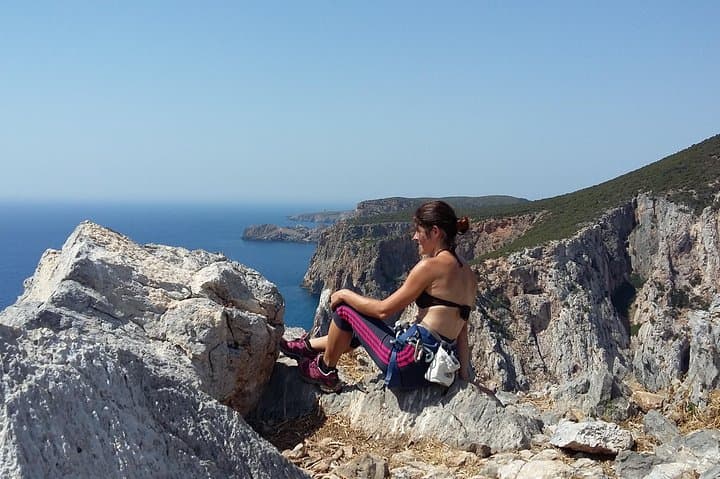
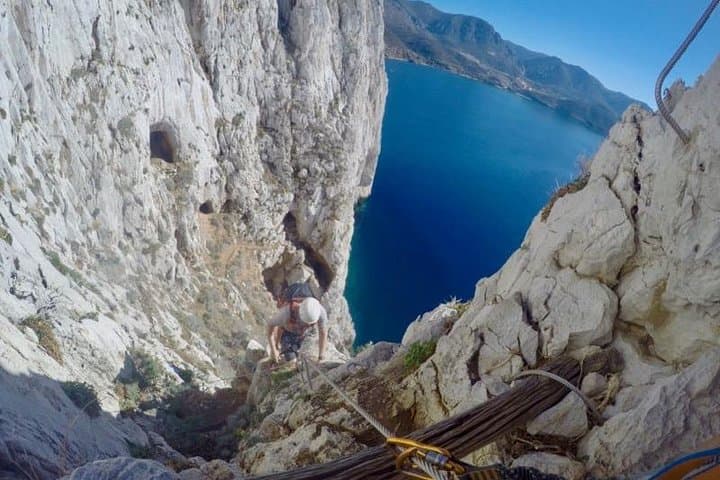
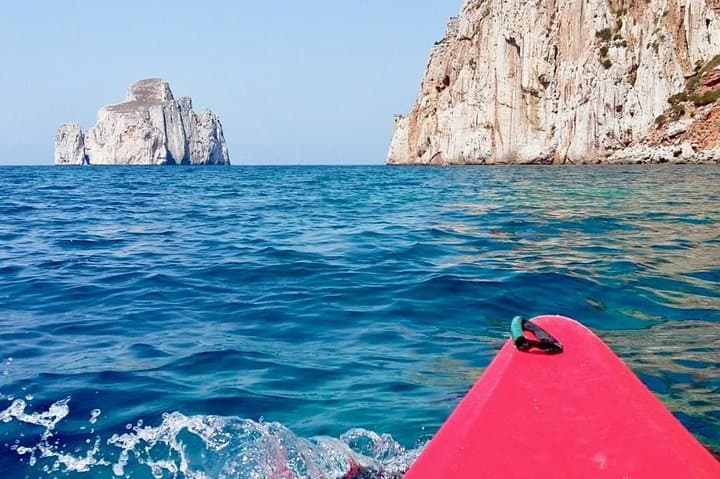
A rubber dinghy parts the Mediterranean like a hand pushing a curtain aside, depositing climbers at the base of Pan di Zucchero. The rock rises—133 meters of limestone and history—from blue water, its sheer face scoured by storms and time. Under a certified mountain guide, visitors clip into a via ferrata system and move along steel rungs and cables that thread old miners’ paths to a summit rim with wind-bent views of the Iglesiente coast.
A rubber dinghy parts the Mediterranean like a hand pushing a curtain aside, depositing climbers at the base of Pan di Zucchero. The rock rises—133 meters of limestone and history—from blue water, its sheer face scoured by storms and time. Under a certified mountain guide, visitors clip into a via ferrata system and move along steel rungs and cables that thread old miners’ paths to a summit rim with wind-bent views of the Iglesiente coast.
Geology here is blunt and visible: compacted Carboniferous limestone carved into a freestanding stack by wave erosion and quarrying. The route follows early 20th-century mining traces—tunnels and drill holes testify to Sardinia’s extraction past and the labor that shaped the shoreline. Local culture still carries mining echoes in nearby villages; guides often point out ruined infrastructure and explain how communities adapted to the sea and stone.
Practical guidance: the half-day itinerary runs about four hours including boat transfer time. Expect exposed climbing on fixed cables, short vertical sections, and a final circular crest walk. The guide provides helmet, harness, and via ferrata kit and teaches safe clipping techniques on arrival. Bring sturdy approach shoes with good grip, a water bottle, sun protection, and layered windproof clothing—the sea wind pushes at the ridge and can change temperature quickly. Weather cancels trips; organizers prioritize safety for all fitness levels. On clear days the summit rewards steady, focused movement with wide coastal panoramas and the rare quiet of a rock that still feels daring.