THE ADVENTURE COLLECTIVE® · Independent discovery and booking for outdoor travel

Hike Pacaya Volcano from Guatemala City on a shared guided tour that puts you up close to lava fields and steam vents. This accessible, 6–7 hour excursion mixes volcanic geology, wide views, and practical logistics for an unforgettable day.
Hike Pacaya Volcano from Guatemala City on a shared guided tour that puts you up close to lava fields and steam vents. This accessible, 6–7 hour excursion mixes volcanic geology, wide views, and practical logistics for an unforgettable day.
You step off the minibus at the rim of a black field; the air tastes faintly of sulfur and warm rock. Pacaya’s slopes rise ahead—ragged ribs of cooled lava and patches of scrub—while steam vents hiss like old machinery. The shared tour from Guatemala City moves from urban traffic to open sky in about 90 minutes, dropping you at the trailhead where local guides sort packs and check boots.
Verified experiences and guided adventures in the surrounding area.
Operated by Guat2do Travel Experiences · San Vicente Pacaya, Escuintla
You step off the minibus at the rim of a black field; the air tastes faintly of sulfur and warm rock. Pacaya’s slopes rise ahead—ragged ribs of cooled lava and patches of scrub—while steam vents hiss like old machinery. The shared tour from Guatemala City moves from urban traffic to open sky in about 90 minutes, dropping you at the trailhead where local guides sort packs and check boots.
Pacaya is one of Guatemala’s most active volcanoes, its modern behavior shaped by frequent Strombolian eruptions over the 20th and 21st centuries. The basalt flows here are young—sometimes still warm—and the landscape reads like a recent page of Earth’s story: hardened channels, glassy clinker, and pillows of pahoehoe where molten rock once flowed. Cultural history threads through the route too; campesino farms and roadside coffee stands remind hikers that communities have long lived in the volcano’s shadow, benefiting from rich soils while respecting its moods.
Practically, expect a 1.5-hour uphill on a varied surface—packed dirt, volcanic scree, and jagged lava fields—toward a summit plateau near 2,552 m (8,370 ft). Guides point out panoramic views of neighboring peaks and, on clear days, the sprawl of Guatemala City. Bring quetzales for the entrance fee and optional horse ride (one-way), wear sturdy footwear, and pack 1–2 liters of water. The descent is brisk—about an hour—and the shared tour returns to the city in the afternoon. For hikers who want proximity to active geology without technical climbing, Pacaya delivers hands-on volcanic drama with reliable logistics and local knowledge to keep the experience safe and memorable.
moderate.
6–7 hours.
Suitable for hikers with moderate fitness who can manage a steady uphill of 1.5 hours and some uneven volcanic terrain.
Guided routes target established, monitored trails; however Pacaya is active—operators pause or reschedule trips if conditions are hazardous.
Some tour options include the entrance fee; for the basic option bring Q100 in quetzales at the gate—credit cards are not widely accepted.
Yes, local stables offer one-way horse rides for an extra fee (around Q150); bring cash if you want this option.
Children can join but must be accompanied by an adult; assess stamina and tolerance for uneven terrain before booking.
Pacaya has exhibited frequent eruptive activity through the 20th and 21st centuries; its eruptions shaped nearby settlements and fertile farmland over generations.
Pay the park fee, stay on marked trails, and avoid removing volcanic rock—local guides and communities rely on sustainable tourism to protect the area.
Guat2do Travel Experiences operates guided outdoor trips and adventures with an emphasis on safety, stewardship, and memorable experiences.
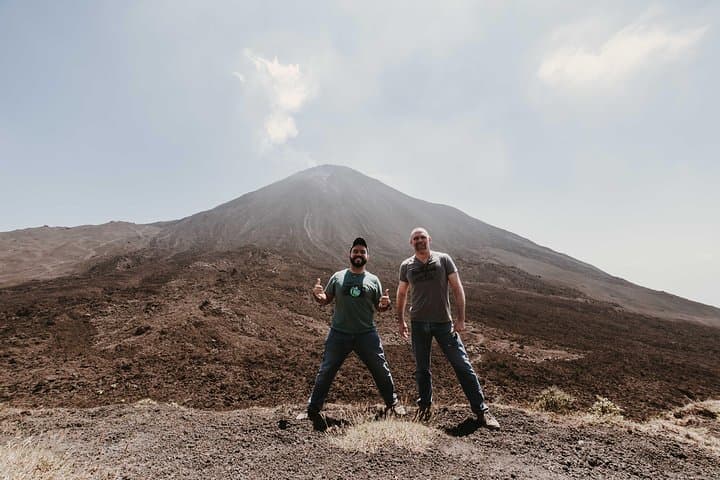
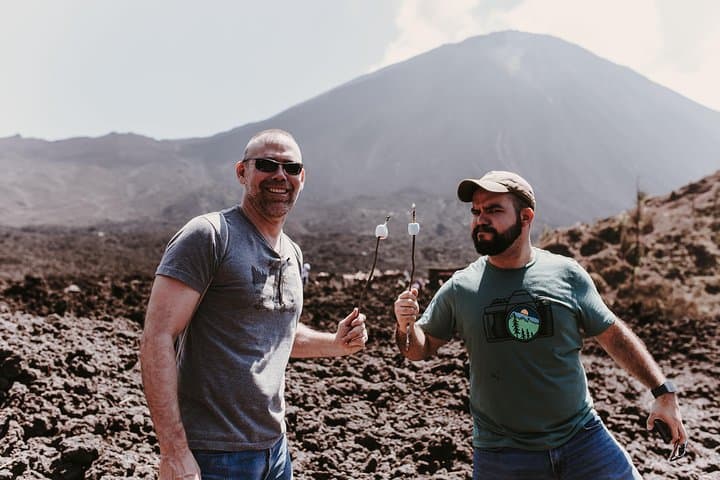
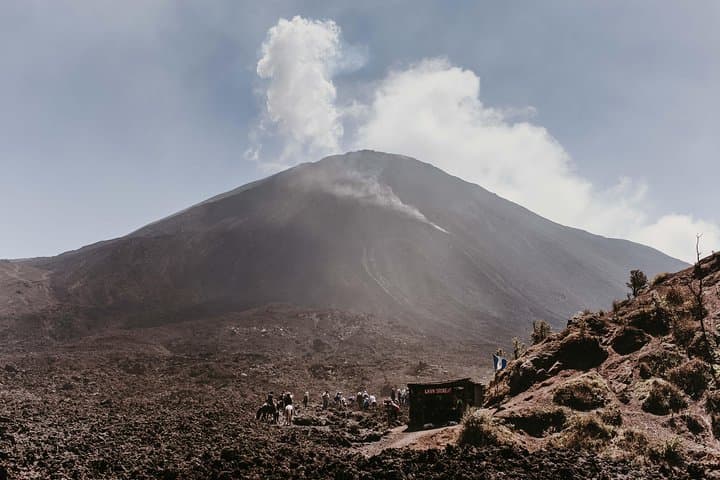
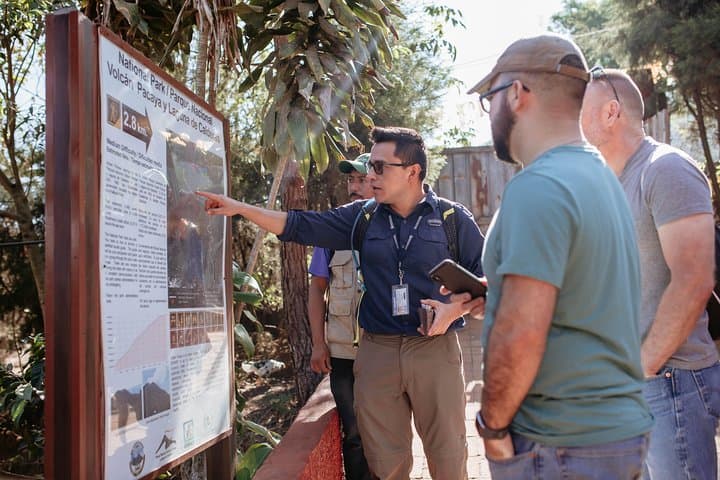
You step off the minibus at the rim of a black field; the air tastes faintly of sulfur and warm rock. Pacaya’s slopes rise ahead—ragged ribs of cooled lava and patches of scrub—while steam vents hiss like old machinery. The shared tour from Guatemala City moves from urban traffic to open sky in about 90 minutes, dropping you at the trailhead where local guides sort packs and check boots.
You step off the minibus at the rim of a black field; the air tastes faintly of sulfur and warm rock. Pacaya’s slopes rise ahead—ragged ribs of cooled lava and patches of scrub—while steam vents hiss like old machinery. The shared tour from Guatemala City moves from urban traffic to open sky in about 90 minutes, dropping you at the trailhead where local guides sort packs and check boots.
Pacaya is one of Guatemala’s most active volcanoes, its modern behavior shaped by frequent Strombolian eruptions over the 20th and 21st centuries. The basalt flows here are young—sometimes still warm—and the landscape reads like a recent page of Earth’s story: hardened channels, glassy clinker, and pillows of pahoehoe where molten rock once flowed. Cultural history threads through the route too; campesino farms and roadside coffee stands remind hikers that communities have long lived in the volcano’s shadow, benefiting from rich soils while respecting its moods.
Practically, expect a 1.5-hour uphill on a varied surface—packed dirt, volcanic scree, and jagged lava fields—toward a summit plateau near 2,552 m (8,370 ft). Guides point out panoramic views of neighboring peaks and, on clear days, the sprawl of Guatemala City. Bring quetzales for the entrance fee and optional horse ride (one-way), wear sturdy footwear, and pack 1–2 liters of water. The descent is brisk—about an hour—and the shared tour returns to the city in the afternoon. For hikers who want proximity to active geology without technical climbing, Pacaya delivers hands-on volcanic drama with reliable logistics and local knowledge to keep the experience safe and memorable.