THE ADVENTURE COLLECTIVE® · Independent discovery and booking for outdoor travel

A full-day guided ascent of Pacaya leaves Antigua for a 1.5–2 hour climb across volcanic scree and petrified lava. Expect panoramic views of Agua and Fuego, an optional horse ride, and a manageable 5–6 hour round trip with guide-led logistics.
A full-day guided ascent of Pacaya leaves Antigua for a 1.5–2 hour climb across volcanic scree and petrified lava. Expect panoramic views of Agua and Fuego, an optional horse ride, and a manageable 5–6 hour round trip with guide-led logistics.
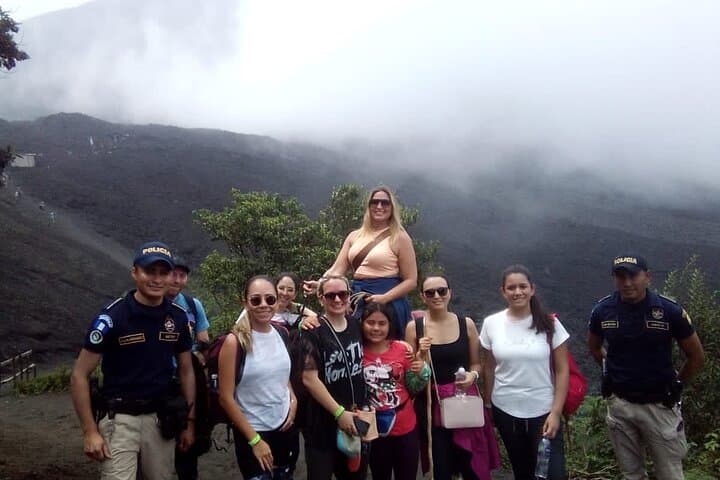
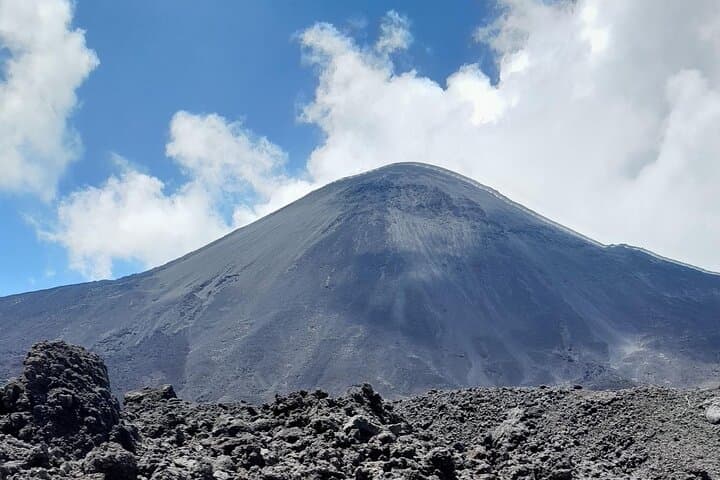
You leave Antigua before dawn, the colonial streets slipping away as the van climbs toward the low, smoking cone of Pacaya. By the time the hamlet of San Francisco de Sales appears, the trailhead is a mix of volcanic dust, scrub, and the dull sheen of old lava flows. Guides hand out water and brief the group; horses wait for those who opt out of the steeper sections.
Verified experiences and guided adventures in the surrounding area.
Operated by Luis Lara · San Francisco de Sales, Escuintla
You leave Antigua before dawn, the colonial streets slipping away as the van climbs toward the low, smoking cone of Pacaya. By the time the hamlet of San Francisco de Sales appears, the trailhead is a mix of volcanic dust, scrub, and the dull sheen of old lava flows. Guides hand out water and brief the group; horses wait for those who opt out of the steeper sections.
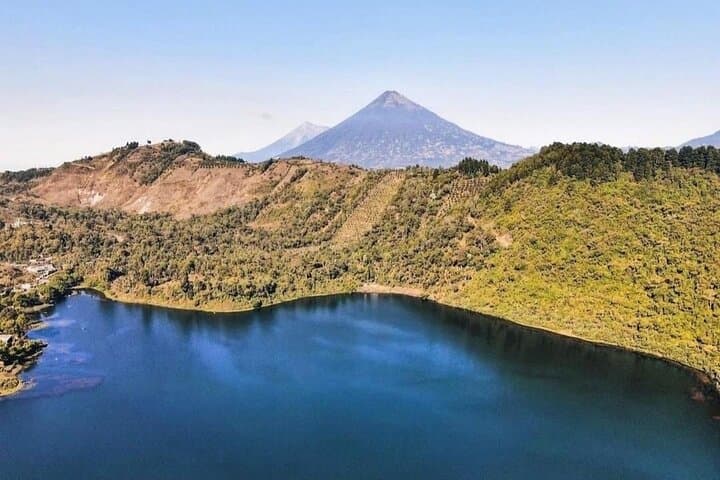
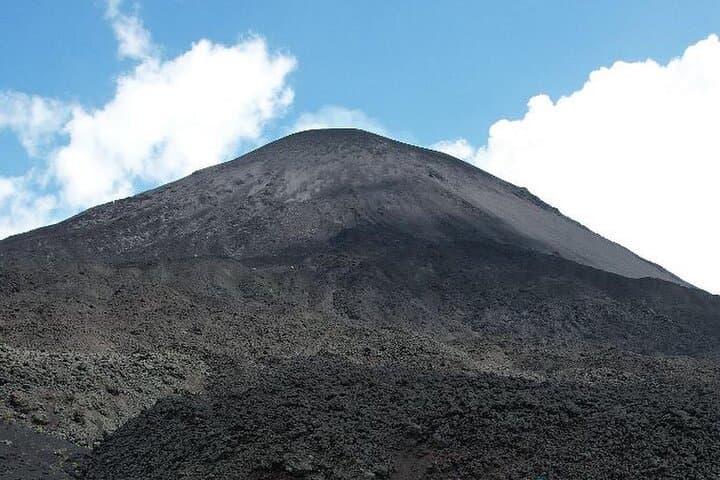
Pacaya is one of Guatemala’s most active volcanic complexes, a basaltic cone whose recent eruptions have shaped the serrated rivers of solidified lava you’ll cross. From the summit plateau—about a 1 hour 30 minute to 2 hour ascent for most visitors—the view opens to neighboring Agua and Fuego volcanoes and the shallow Calderas lagoon below. Local farmers and guides have read the mountain for generations; the route is as much a cultural corridor as a physical climb.
Practicalities are straightforward: expect 5–6 hours total including transport from Antigua, roughly 45 minutes to descend, and a 15–30 minute window at the top for photos. The trail alternates packed dirt, loose volcanic scree, and compact lava fields—sturdy footwear and trekking poles help. Morning departures are best to avoid afternoon rain and reduced visibility. Guides provide permits, bottled water, and route knowledge; a horse rental is available for an extra fee. Avoid touching hot vents or fresh lava, monitor for volcanic gas, and disclose any heart/lung issues when you book. With its raw terrain and dramatic views, Pacaya is a compact, rewarding day climb that pairs accessible adventure with elemental geology.
moderate.
5–6 hours.
Suitable for hikers in moderate shape who can sustain uphill walking for 1.5–2 hours; not recommended for those with serious cardiovascular issues.
The guided ascent typically takes 1 hour 30 minutes to 2 hours depending on pace and group fitness.
Children can join but must be supervised; small children may use a stroller at the meeting area but the trail is steep—horses are available for an extra fee and elders should assess fitness and any health issues first.
Guides handle park entry and permits as part of the tour; bring ID and disclose any medical conditions when booking.
Yes—horse rental is available on-site for an additional cost; availability and comfort with horses vary by rider.
Pacaya’s eruptions have shaped local settlement and agriculture; the volcano has been an active presence in Guatemalan life for centuries and draws both scientific study and local lore.
Visitor numbers are managed through guided access and permits; stick to trails to limit erosion and avoid disturbing fragile vegetation and archaeological features.
Luis Lara operates guided outdoor trips and adventures with an emphasis on safety, stewardship, and memorable experiences.
You leave Antigua before dawn, the colonial streets slipping away as the van climbs toward the low, smoking cone of Pacaya. By the time the hamlet of San Francisco de Sales appears, the trailhead is a mix of volcanic dust, scrub, and the dull sheen of old lava flows. Guides hand out water and brief the group; horses wait for those who opt out of the steeper sections.
You leave Antigua before dawn, the colonial streets slipping away as the van climbs toward the low, smoking cone of Pacaya. By the time the hamlet of San Francisco de Sales appears, the trailhead is a mix of volcanic dust, scrub, and the dull sheen of old lava flows. Guides hand out water and brief the group; horses wait for those who opt out of the steeper sections.
Pacaya is one of Guatemala’s most active volcanic complexes, a basaltic cone whose recent eruptions have shaped the serrated rivers of solidified lava you’ll cross. From the summit plateau—about a 1 hour 30 minute to 2 hour ascent for most visitors—the view opens to neighboring Agua and Fuego volcanoes and the shallow Calderas lagoon below. Local farmers and guides have read the mountain for generations; the route is as much a cultural corridor as a physical climb.
Practicalities are straightforward: expect 5–6 hours total including transport from Antigua, roughly 45 minutes to descend, and a 15–30 minute window at the top for photos. The trail alternates packed dirt, loose volcanic scree, and compact lava fields—sturdy footwear and trekking poles help. Morning departures are best to avoid afternoon rain and reduced visibility. Guides provide permits, bottled water, and route knowledge; a horse rental is available for an extra fee. Avoid touching hot vents or fresh lava, monitor for volcanic gas, and disclose any heart/lung issues when you book. With its raw terrain and dramatic views, Pacaya is a compact, rewarding day climb that pairs accessible adventure with elemental geology.