THE ADVENTURE COLLECTIVE® · Independent discovery and booking for outdoor travel

A 14-day, guided alpine expedition that stages acclimatization camps from the Atacama plateau to the 6,893 m summit of Ojos del Salado. Expect glacier travel, long summit day gains, and high desert panoramas—best suited to experienced, well-prepared mountaineers.
A 14-day, guided alpine expedition that stages acclimatization camps from the Atacama plateau to the 6,893 m summit of Ojos del Salado. Expect glacier travel, long summit day gains, and high desert panoramas—best suited to experienced, well-prepared mountaineers.
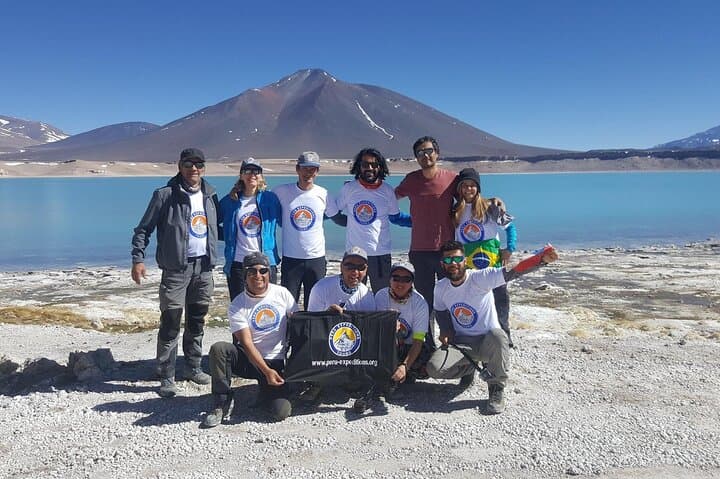
The sun slides across a dry skyline and the massif of Ojos del Salado sharpens from ochre into iron. At 6,893 meters the volcano dominates the high Atacama, wind sculpting scree and salt flats below while thin air forces each step to feel deliberate.
Verified experiences and guided adventures in the surrounding area.
Operated by Peru Expeditions Tours · Copiapó, Atacama Region
The sun slides across a dry skyline and the massif of Ojos del Salado sharpens from ochre into iron. At 6,893 meters the volcano dominates the high Atacama, wind sculpting scree and salt flats below while thin air forces each step to feel deliberate.
Geology here is raw: a stratovolcano built by repeated andesite and dacite eruptions sits on the Chile–Argentina border within Nevado Tres Cruces National Park. Human history alternates between indigenous high-altitude pastoralism and the mining towns that dot the Atacama; Copiapó remains the logistical hub for expeditions. The region’s high-altitude lagoons host Andean flamingos and vicuñas, a quiet reminder of life at the edge.
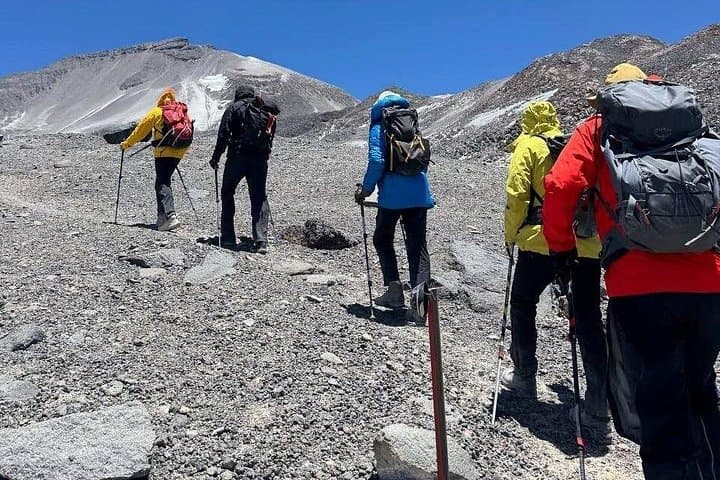
The itinerary is a classic alpine-style acclimatization program — staged camps from 3,000 m through 5,800 m, progressive climbs to 6,100 m peaks, and a final summit push involving glacier travel, rock steps, and steep scree. Expect long summit day hours, significant elevation gain (about 1,000 m on summit day), and cold, dry conditions with strong solar radiation.
Practical guide: train for sustained aerobic effort and load carriage; practice crampon and rope techniques; manage sleep and hydration to reduce acute mountain sickness risk. Bring layered insulation, high-traction boots rated for crampons, and sun-protection for the intense UV. Weather can change quickly—extra summit days are standard. Guides supply group ropes, tents, radios, and emergency oxygen/oximeter monitoring; personal responsibility for pacing and honest health reporting is essential.
This expedition rewards discipline and preparation with unmatched high-desert vistas and the rare achievement of standing on the world’s tallest active volcano.
expert.
13–14 days.
High aerobic fitness and previous high-altitude trekking/climbing experience; able to carry 8–12 kg and function in low-oxygen conditions.
The austral summer (November–March) offers the most stable weather and warmer nighttime temperatures; shoulder months are possible but increase storm risk.
Yes—this route requires glacier travel, use of crampons and ice axe, and comfort with long, steep ascents at extreme altitude.
Access typically requires park permission and coordination through a licensed operator; local guide services handle permits and logistics.
Very possible—operators build acclimatization days, monitor oxygen saturation, and carry first-aid/evac equipment; personal honesty about symptoms is mandatory.
Ojos del Salado sits within Nevado Tres Cruces National Park; the area combines pre-Columbian highland use with later mining-driven settlement in the Atacama.
The high desert is fragile—stick to established campsites, pack out waste, and minimize fuel use; guided programs usually follow Leave No Trace principles and monitor human impact.
Peru Expeditions Tours operates guided outdoor trips and adventures with an emphasis on safety, stewardship, and memorable experiences.
The sun slides across a dry skyline and the massif of Ojos del Salado sharpens from ochre into iron. At 6,893 meters the volcano dominates the high Atacama, wind sculpting scree and salt flats below while thin air forces each step to feel deliberate.
The sun slides across a dry skyline and the massif of Ojos del Salado sharpens from ochre into iron. At 6,893 meters the volcano dominates the high Atacama, wind sculpting scree and salt flats below while thin air forces each step to feel deliberate.
Geology here is raw: a stratovolcano built by repeated andesite and dacite eruptions sits on the Chile–Argentina border within Nevado Tres Cruces National Park. Human history alternates between indigenous high-altitude pastoralism and the mining towns that dot the Atacama; Copiapó remains the logistical hub for expeditions. The region’s high-altitude lagoons host Andean flamingos and vicuñas, a quiet reminder of life at the edge.
The itinerary is a classic alpine-style acclimatization program — staged camps from 3,000 m through 5,800 m, progressive climbs to 6,100 m peaks, and a final summit push involving glacier travel, rock steps, and steep scree. Expect long summit day hours, significant elevation gain (about 1,000 m on summit day), and cold, dry conditions with strong solar radiation.
Practical guide: train for sustained aerobic effort and load carriage; practice crampon and rope techniques; manage sleep and hydration to reduce acute mountain sickness risk. Bring layered insulation, high-traction boots rated for crampons, and sun-protection for the intense UV. Weather can change quickly—extra summit days are standard. Guides supply group ropes, tents, radios, and emergency oxygen/oximeter monitoring; personal responsibility for pacing and honest health reporting is essential.
This expedition rewards discipline and preparation with unmatched high-desert vistas and the rare achievement of standing on the world’s tallest active volcano.