THE ADVENTURE COLLECTIVE® · Independent discovery and booking for outdoor travel

Spend a day climbing the sea cliffs of Oahu with guides who route top-rope lines, supply all gear, and shuttle you from Honolulu to Makapuʻu Lookout. Expect steep approaches, panoramic ocean exposure, and 3–4 hours of guided climbing tailored to your level.
Spend a day climbing the sea cliffs of Oahu with guides who route top-rope lines, supply all gear, and shuttle you from Honolulu to Makapuʻu Lookout. Expect steep approaches, panoramic ocean exposure, and 3–4 hours of guided climbing tailored to your level.
The morning at Makapuʻu arrives like a tide—bright, insistent, and full of motion. Guides sling ropes from the back of a van, harnesses clink, and the Pacific presses against the base of basalt cliffs, each wave daring you to look down. The lookout’s wind carries salt and the distant foghorn of the lighthouse; climbers tighten shoes, scan routes, and head up a steep approach trail where the island’s volcanic past is visible in fractured, black rock and ancient lava flows turned coastal rampart.
Verified experiences and guided adventures in the surrounding area.
Operated by Ali · Honolulu, Hawaii
The morning at Makapuʻu arrives like a tide—bright, insistent, and full of motion. Guides sling ropes from the back of a van, harnesses clink, and the Pacific presses against the base of basalt cliffs, each wave daring you to look down. The lookout’s wind carries salt and the distant foghorn of the lighthouse; climbers tighten shoes, scan routes, and head up a steep approach trail where the island’s volcanic past is visible in fractured, black rock and ancient lava flows turned coastal rampart.
Oahu’s eastern shoreline is young geology made dramatic: sea-eroded basalt and ash layers rising from the reef. Makapuʻu Point Light, completed in 1909, perches up the road as a reminder that these cliffs guided sailors long before sport climbing arrived. Native Hawaiian communities fished and navigated these waters for generations, leaving place names and moʻolelo—stories—about currents and coastal hazards that still shape local respect for the sea.
Hawaii AdvenTours takes semi-private groups to select crags north or south of the city, routing climbs for ability and comfort. The day blends a steep hike to the belay ledge with roughly three to four hours of top-rope climbing. Guides set lines, manage rope systems, and fit helmets, harnesses, and shoes so both first-timers and experienced climbers can focus on movement and exposure rather than hardware. On swell days, humpback whales push through offshore, and seabirds wheel above; the ocean becomes an active character in the day’s arc.
Practicality rules the afternoon: routes are mostly single-pitch, with sustained arms-and-legs work on textured volcanic faces. Expect sun, wind, and salt spray—sunscreen and hydration matter more here than at a shaded crag. The operator offers hotel pickup across Honolulu neighborhoods or meet-up at Makapuʻu Lookout; climbs usually finish by early afternoon for flexible drop-offs.
For planning: bring lightweight approach shoes or trail shoes (sticky rubber climbing shoes are provided), a daypack with 1–2 liters of water, electrolytes, snacks, a windbreaker, and reef-safe sunscreen. Be prepared for a rigorous cardio burst on the hike and sustained climbing that taxes forearms—train with stair climbs and pull-ups if you can. If you want photos without fumbling your own camera, hire the pro climber-photographer option.
This trip is as much about place as send: the cliffs insist on attention, the ocean watches, and the guides funnel local knowledge into a safe, active day on Oahu’s eastern edge. It’s a clear, physical way to read the island’s geology and shoreline culture from a few hundred feet above the surf.
challenging.
6 hours.
Good cardiovascular fitness and strong lower-body and grip endurance; comfortable with steep hikes and exposed single-pitch climbing.
No—routes are top-roped and guides set all systems; beginners are welcome, though physical fitness helps.
You can meet at Makapuʻu Lookout parking lot at 9 AM or request hotel pickup across Honolulu; confirm pickup address in advance.
Yes—helmets, harnesses, ropes, and climbing shoes are provided; you may bring personal equipment if preferred.
Expect a steep approach of 10–30 minutes depending on the route, and roughly 3–4 hours of guided climbing within the 6-hour tour.
Tours may be canceled for heavy rain, high winds, or unsafe conditions; cancelations follow a 24-hour full-refund policy if made timely.
Participants must be physically fit and report medical or back issues; service animals allowed but not recommended for pregnant travelers or those with heart/spinal conditions.
Makapuʻu Point Light, completed in 1909, guided mariners along a coastline long used by Native Hawaiian fishers and navigators; the area retains cultural place names and fishing traditions.
Stay on established trails to prevent cliff-edge erosion and use reef-safe sunscreen to protect nearshore coral ecosystems.
Ali operates guided outdoor trips and adventures with an emphasis on safety, stewardship, and memorable experiences.
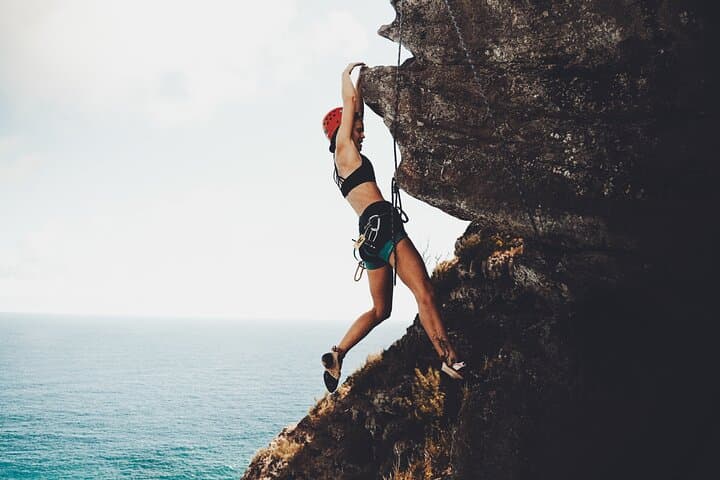
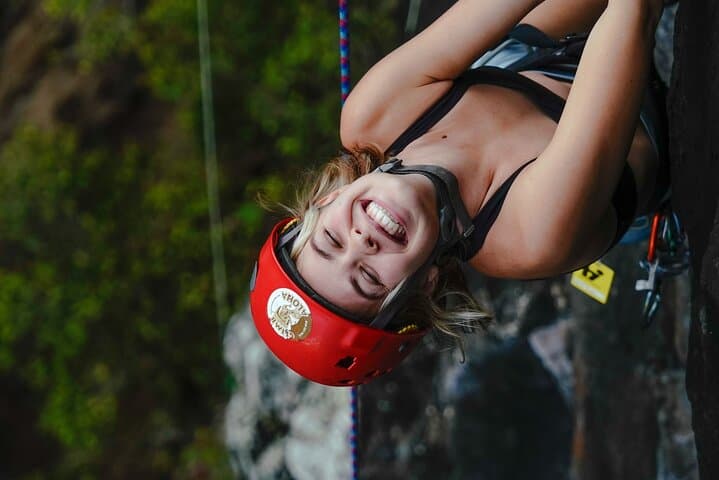
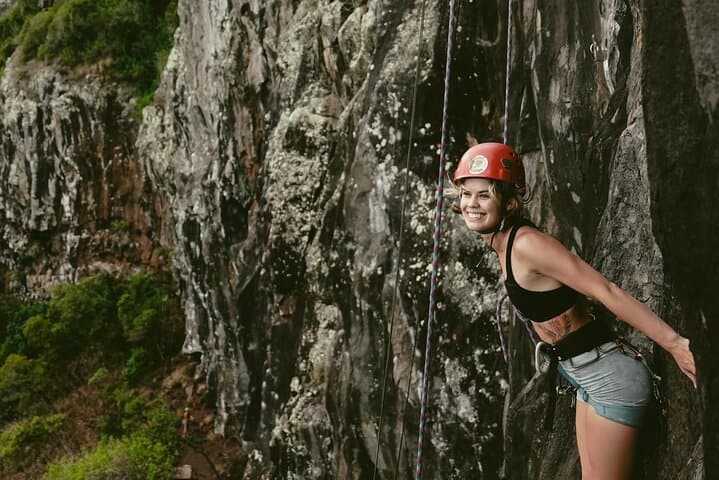
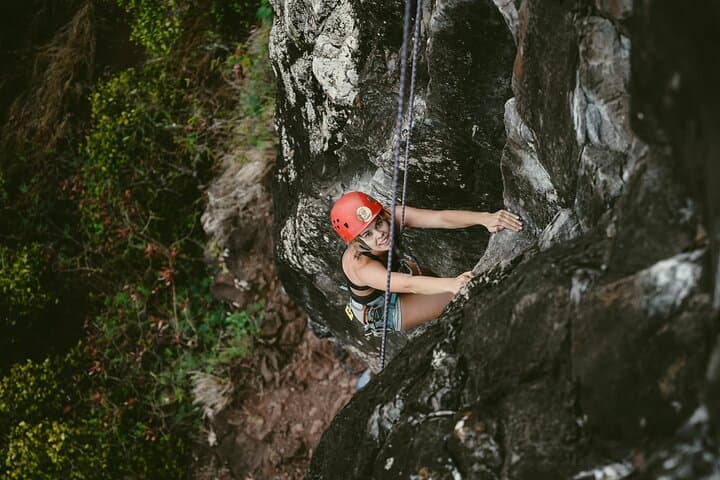
The morning at Makapuʻu arrives like a tide—bright, insistent, and full of motion. Guides sling ropes from the back of a van, harnesses clink, and the Pacific presses against the base of basalt cliffs, each wave daring you to look down. The lookout’s wind carries salt and the distant foghorn of the lighthouse; climbers tighten shoes, scan routes, and head up a steep approach trail where the island’s volcanic past is visible in fractured, black rock and ancient lava flows turned coastal rampart.
The morning at Makapuʻu arrives like a tide—bright, insistent, and full of motion. Guides sling ropes from the back of a van, harnesses clink, and the Pacific presses against the base of basalt cliffs, each wave daring you to look down. The lookout’s wind carries salt and the distant foghorn of the lighthouse; climbers tighten shoes, scan routes, and head up a steep approach trail where the island’s volcanic past is visible in fractured, black rock and ancient lava flows turned coastal rampart.
Oahu’s eastern shoreline is young geology made dramatic: sea-eroded basalt and ash layers rising from the reef. Makapuʻu Point Light, completed in 1909, perches up the road as a reminder that these cliffs guided sailors long before sport climbing arrived. Native Hawaiian communities fished and navigated these waters for generations, leaving place names and moʻolelo—stories—about currents and coastal hazards that still shape local respect for the sea.
Hawaii AdvenTours takes semi-private groups to select crags north or south of the city, routing climbs for ability and comfort. The day blends a steep hike to the belay ledge with roughly three to four hours of top-rope climbing. Guides set lines, manage rope systems, and fit helmets, harnesses, and shoes so both first-timers and experienced climbers can focus on movement and exposure rather than hardware. On swell days, humpback whales push through offshore, and seabirds wheel above; the ocean becomes an active character in the day’s arc.
Practicality rules the afternoon: routes are mostly single-pitch, with sustained arms-and-legs work on textured volcanic faces. Expect sun, wind, and salt spray—sunscreen and hydration matter more here than at a shaded crag. The operator offers hotel pickup across Honolulu neighborhoods or meet-up at Makapuʻu Lookout; climbs usually finish by early afternoon for flexible drop-offs.
For planning: bring lightweight approach shoes or trail shoes (sticky rubber climbing shoes are provided), a daypack with 1–2 liters of water, electrolytes, snacks, a windbreaker, and reef-safe sunscreen. Be prepared for a rigorous cardio burst on the hike and sustained climbing that taxes forearms—train with stair climbs and pull-ups if you can. If you want photos without fumbling your own camera, hire the pro climber-photographer option.
This trip is as much about place as send: the cliffs insist on attention, the ocean watches, and the guides funnel local knowledge into a safe, active day on Oahu’s eastern edge. It’s a clear, physical way to read the island’s geology and shoreline culture from a few hundred feet above the surf.