THE ADVENTURE COLLECTIVE® · Independent discovery and booking for outdoor travel

A one-day guided climb from Nairobi that circumnavigates Mt Longonot’s dramatic crater rim. Expect a 7–8 km loop with steep sections, Rift Valley panoramas, and encounters with local wildlife.
A one-day guided climb from Nairobi that circumnavigates Mt Longonot’s dramatic crater rim. Expect a 7–8 km loop with steep sections, Rift Valley panoramas, and encounters with local wildlife.
You step out of the vehicle with the Rift Valley wind already at work, nudging the grass and daring you up the basalt flank. Mt Longonot’s crater rim rises like an old volcano recalling its molten past; the trail gains steadily and then opens to a ring of sky where the crater’s forest presses inward.
Verified experiences and guided adventures in the surrounding area.
Operated by Maasai mara safaris tours and travel · Naivasha, Nakuru County
You step out of the vehicle with the Rift Valley wind already at work, nudging the grass and daring you up the basalt flank. Mt Longonot’s crater rim rises like an old volcano recalling its molten past; the trail gains steadily and then opens to a ring of sky where the crater’s forest presses inward.
The mountain is an extinct stratovolcano carved by the East African Rift; its summit sits near 2,776 m and the classic rim loop is roughly 7–8 km with several steep pitches. Locals from nearby Naivasha and Maasai communities have worked this land for generations, and the trail passes small patches of acacia and scrub that tell a longer story of grazing, eruptions, and human use.
Wildlife here is bold at times — buffalo can appear on lower slopes and gazelles graze on the plain — while inside the crater a surprising pocket of forest shelters birds and bushbuck. Geology is visible underfoot: dark volcanic rock, ash layers, and the hollow bowl of the crater itself.
Practical notes: guided climbs usually take 4–6 hours on the mountain plus transport time from Nairobi. Expect steep, exposed sections; bring 2–3 liters of water, sun protection, and sturdy boots. Start early to avoid midday heat and afternoon winds that sweep the rim. Respect wildlife distances, stay with your guide, and keep the crater’s thin soils intact by sticking to the path. With a measured pace the hike delivers wide Rift Valley views, a tactile lesson in volcanic geology, and the satisfying loop of a true crater rim traverse.
challenging.
4-6 hours.
Good cardiovascular fitness and leg endurance; comfortable with sustained uphill and uneven terrain.
The crater-rim loop is roughly 7–8 km; depending on your start point expect several hundred meters of sustained elevation gain and 4–6 hours on-trail.
Yes—entrance fees to Mt Longonot National Park are required and are typically handled by the guide as part of the tour inclusions.
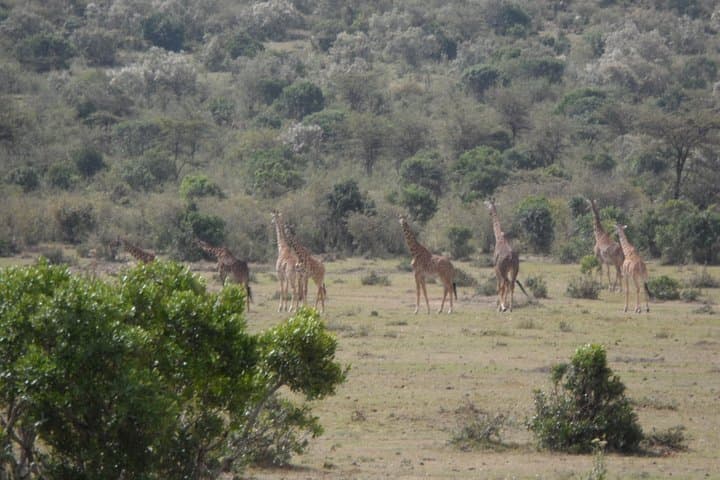
You may spot gazelles, buffalo, giraffe or smaller antelope on the lower slopes; keep distance and follow the guide—predators are possible but sightings are rare during daytime hikes.
Fit beginners can complete the loop with a guide, but the route includes steep sections and uneven terrain—good fitness and proper footwear are recommended.
Mt Longonot formed as part of rifting in the East African Rift; the volcanic edifice and its crater record repeated eruptions and the shifting of the Rift Valley floor.
The park balances tourism with habitat protection—stay on trails to protect fragile crater soils and avoid feeding or approaching wildlife to reduce human impact.
Maasai mara safaris tours and travel operates guided outdoor trips and adventures with an emphasis on safety, stewardship, and memorable experiences.
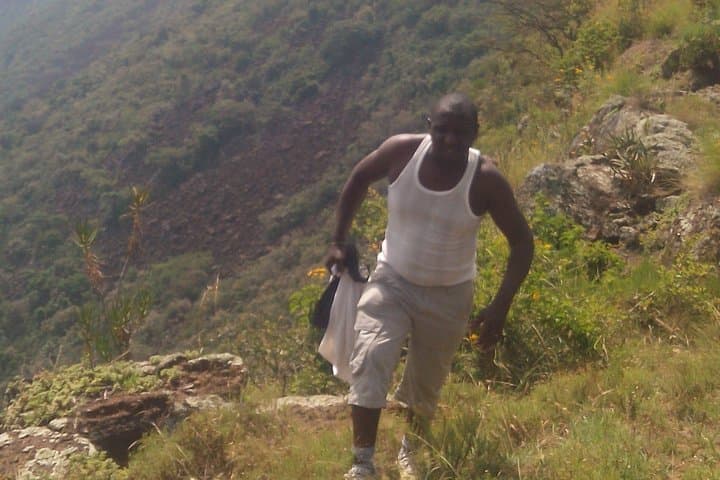

You step out of the vehicle with the Rift Valley wind already at work, nudging the grass and daring you up the basalt flank. Mt Longonot’s crater rim rises like an old volcano recalling its molten past; the trail gains steadily and then opens to a ring of sky where the crater’s forest presses inward.
You step out of the vehicle with the Rift Valley wind already at work, nudging the grass and daring you up the basalt flank. Mt Longonot’s crater rim rises like an old volcano recalling its molten past; the trail gains steadily and then opens to a ring of sky where the crater’s forest presses inward.
The mountain is an extinct stratovolcano carved by the East African Rift; its summit sits near 2,776 m and the classic rim loop is roughly 7–8 km with several steep pitches. Locals from nearby Naivasha and Maasai communities have worked this land for generations, and the trail passes small patches of acacia and scrub that tell a longer story of grazing, eruptions, and human use.
Wildlife here is bold at times — buffalo can appear on lower slopes and gazelles graze on the plain — while inside the crater a surprising pocket of forest shelters birds and bushbuck. Geology is visible underfoot: dark volcanic rock, ash layers, and the hollow bowl of the crater itself.
Practical notes: guided climbs usually take 4–6 hours on the mountain plus transport time from Nairobi. Expect steep, exposed sections; bring 2–3 liters of water, sun protection, and sturdy boots. Start early to avoid midday heat and afternoon winds that sweep the rim. Respect wildlife distances, stay with your guide, and keep the crater’s thin soils intact by sticking to the path. With a measured pace the hike delivers wide Rift Valley views, a tactile lesson in volcanic geology, and the satisfying loop of a true crater rim traverse.