THE ADVENTURE COLLECTIVE® · Independent discovery and booking for outdoor travel

Skip the queue and hike to Vesuvius’s crater rim with an audio guide that layers history over volcanic geology. This practical guide outlines what to expect on the trail, key logistics and local tips for making the most of the panoramic views over the Bay of Naples.
Skip the queue and hike to Vesuvius’s crater rim with an audio guide that layers history over volcanic geology. This practical guide outlines what to expect on the trail, key logistics and local tips for making the most of the panoramic views over the Bay of Naples.
You push through a gate and the city noise thins; ahead, the trail angles up across a palette of black ash and low scrub, the Bay of Naples opening like a comb of islands beneath you. The first steps feel volcanic—loose lapilli crunching underfoot as fumaroles scent the air with faint sulfur, and the audio guide pockets stories into your ear: Roman farmers, Pompeii’s frozen streets, and the 79 AD eruption that reshaped this coast.
Verified experiences and guided adventures in the surrounding area.
Operated by InStazione · Naples, Campania
You push through a gate and the city noise thins; ahead, the trail angles up across a palette of black ash and low scrub, the Bay of Naples opening like a comb of islands beneath you. The first steps feel volcanic—loose lapilli crunching underfoot as fumaroles scent the air with faint sulfur, and the audio guide pockets stories into your ear: Roman farmers, Pompeii’s frozen streets, and the 79 AD eruption that reshaped this coast.
Vesuvius is both geological classroom and living historical site. The Gran Cono crater is the product of explosive eruptions and later lava flows; along the rim you can read layers of ash and pumice that map centuries. Local villages—Pompeii, Herculaneum, Torre del Greco—carry the cultural memory of that catastrophe, and the mountain sits inside Vesuvius National Park, protected since 1995.
Practical guidance: the ticket grants timed access—arrive within the window provided—and the audio guide must be downloaded before you go. The hike from the parking area to the crater rim is short but steep in places, typically 1–3 hours round trip depending on pace and stops. Good footwear, water, and sun protection matter more than technical gear; paths are well-worn but uneven. Expect strong coastal winds on the rim and occasional steam vents—obey barriers and signage.
For photographers, early morning light softens the bay and late afternoon brings long shadows that emphasize the crater’s shape. Give yourself time to linger at viewpoints toward Capri and Sorrento; the payoff is a raw, panoramic view that ties geology, history, and human stories into one exposed ridge.
moderate.
1–3 hours.
Suitable for hikers with basic fitness; expect short steep sections and uneven ground
No—mobile tickets are accepted; keep the confirmation accessible on your phone and have ID ready if requested.
The trail is short and fairly accessible, but uneven terrain and steep sections may be challenging—consider pace and mobility when deciding.
Plan 1–3 hours total: 30–90 minutes walking round-trip from the parking area plus time at the crater rim for views and photos.
Vesuvius is monitored and the park enforces access limits; expect fumaroles and sulfur odors but follow signage and park staff guidance for safety.
Mount Vesuvius famously exploded in 79 AD, burying Pompeii and Herculaneum—today visitors read that event in exposed ash layers and archaeological remains around the base.
The mountain is inside Vesuvius National Park; stay on marked paths, avoid taking rocks or plants, and follow park rules to reduce erosion and protect local habitats.
InStazione operates guided outdoor trips and adventures with an emphasis on safety, stewardship, and memorable experiences.
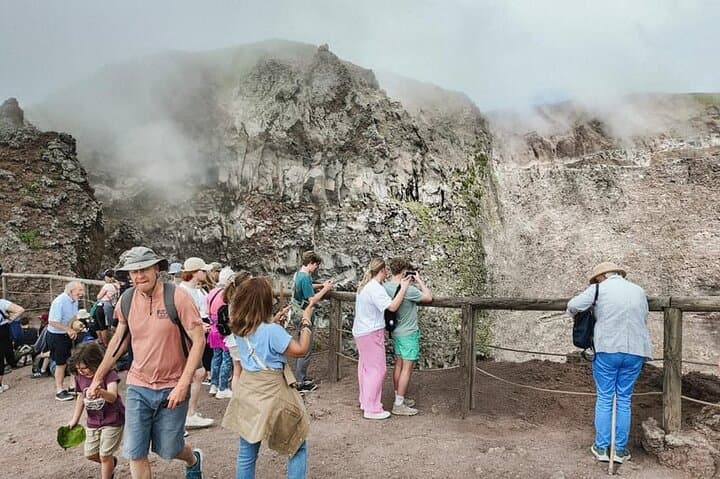
You push through a gate and the city noise thins; ahead, the trail angles up across a palette of black ash and low scrub, the Bay of Naples opening like a comb of islands beneath you. The first steps feel volcanic—loose lapilli crunching underfoot as fumaroles scent the air with faint sulfur, and the audio guide pockets stories into your ear: Roman farmers, Pompeii’s frozen streets, and the 79 AD eruption that reshaped this coast.
You push through a gate and the city noise thins; ahead, the trail angles up across a palette of black ash and low scrub, the Bay of Naples opening like a comb of islands beneath you. The first steps feel volcanic—loose lapilli crunching underfoot as fumaroles scent the air with faint sulfur, and the audio guide pockets stories into your ear: Roman farmers, Pompeii’s frozen streets, and the 79 AD eruption that reshaped this coast.
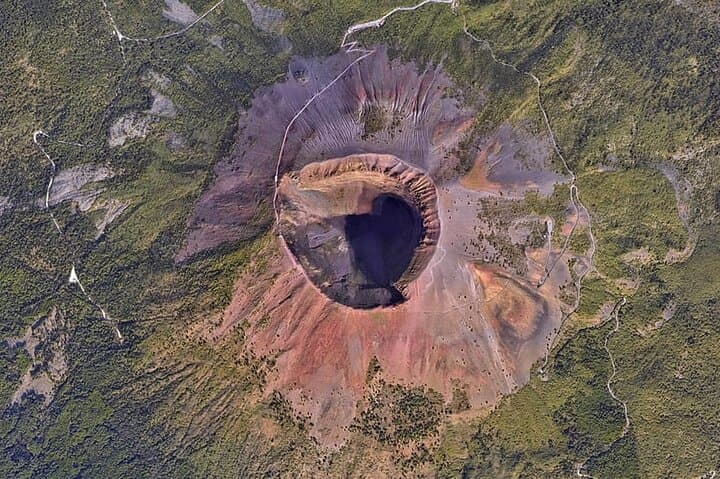
Vesuvius is both geological classroom and living historical site. The Gran Cono crater is the product of explosive eruptions and later lava flows; along the rim you can read layers of ash and pumice that map centuries. Local villages—Pompeii, Herculaneum, Torre del Greco—carry the cultural memory of that catastrophe, and the mountain sits inside Vesuvius National Park, protected since 1995.
Practical guidance: the ticket grants timed access—arrive within the window provided—and the audio guide must be downloaded before you go. The hike from the parking area to the crater rim is short but steep in places, typically 1–3 hours round trip depending on pace and stops. Good footwear, water, and sun protection matter more than technical gear; paths are well-worn but uneven. Expect strong coastal winds on the rim and occasional steam vents—obey barriers and signage.
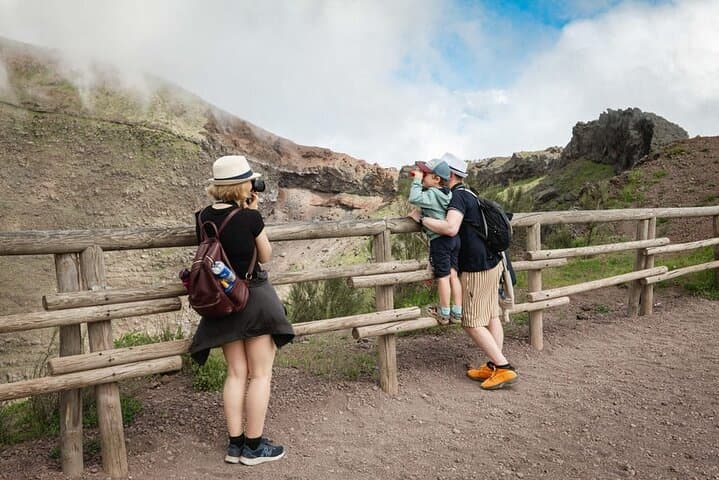
For photographers, early morning light softens the bay and late afternoon brings long shadows that emphasize the crater’s shape. Give yourself time to linger at viewpoints toward Capri and Sorrento; the payoff is a raw, panoramic view that ties geology, history, and human stories into one exposed ridge.