THE ADVENTURE COLLECTIVE® · Independent discovery and booking for outdoor travel

Take the classic Krma Valley route to stand on Slovenia’s highest point. This two-day climb combines long alpine approaches, a hut overnight and exposed via ferrata to the 2,864 m summit.
Take the classic Krma Valley route to stand on Slovenia’s highest point. This two-day climb combines long alpine approaches, a hut overnight and exposed via ferrata to the 2,864 m summit.
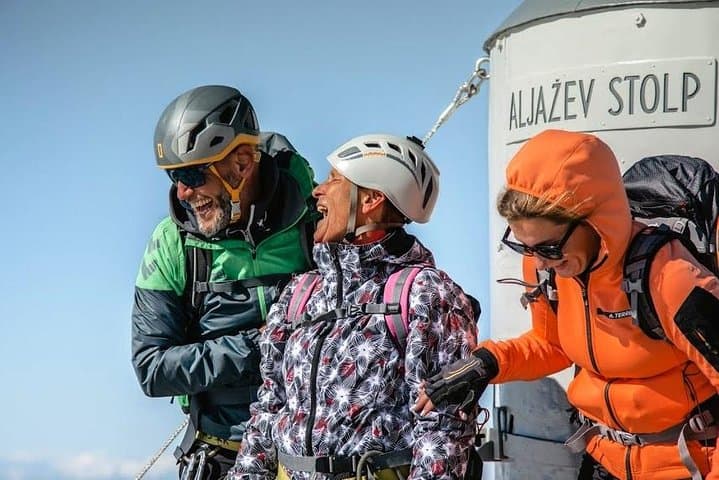
You creep up the Krma Valley before dawn, granite walls cooling your breath as the trail rises. The ridge ahead juts like a challenge; the summit sits at 2,864 m, the high point of the Julian Alps and a national emblem that watches over Slovenia.
Verified experiences and guided adventures in the surrounding area.
Operated by Explore-Share (Slovenia) · Mojstrana, Upper Carniola
You creep up the Krma Valley before dawn, granite walls cooling your breath as the trail rises. The ridge ahead juts like a challenge; the summit sits at 2,864 m, the high point of the Julian Alps and a national emblem that watches over Slovenia.
Triglav’s bones are limestone and dolomite sculpted by ice—steep ridges, scree bands and narrow arêtes formed in the last glaciation. The mountain has long been a cultural touchstone for Slovenians; the three-headed peak even appears on the country’s flag. Huts such as Triglavski dom provide the human touch—warm wood interiors and the steady rhythm of hikers swapping route notes.
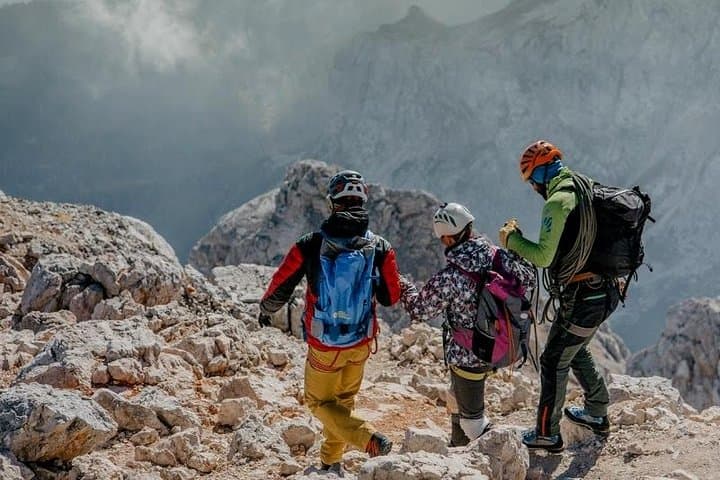
The standard Krma route is a practical, two-day ascent: expect 5–7 hours on day one to reach the hut and a second day that includes exposed via ferrata sections before the summit push. Total elevation gain depends on your start point but is commonly 1,300–1,700 m. Terrain alternates forested valley trails, rocky switchbacks and fixed-wire scrambling near the top; the final sections require comfort with exposure rather than technical climbing.
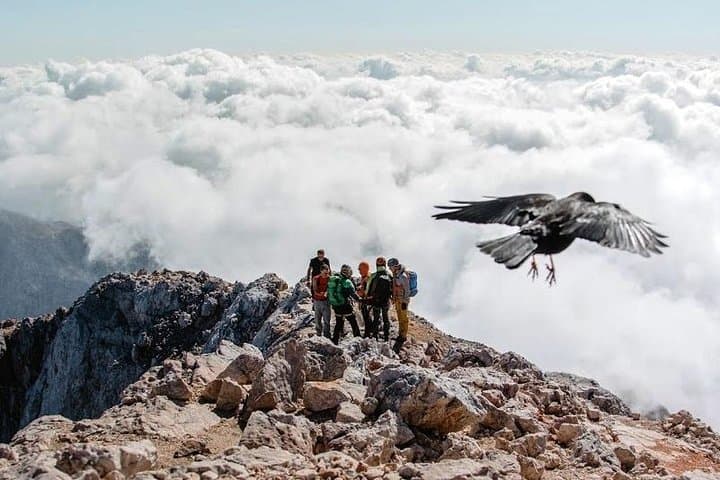
Plan for volatile mountain weather, start early both days, and carry warm layers even in summer—wind and storms can arrive fast. Use sturdy mountaineering boots and poles for steep approaches, and reserve bunk space in advance. Guided group trips supply ropes, harnesses and helmets, which is useful if you want a safer introduction to via ferrata. Stand on the summit and the view pushes you forward: a broad sweep of alpine ridges and glacial basins, earned the hard way.
challenging.
2 days (10–14 hours total hiking).
Good cardiovascular fitness and strong legs; regular hikers who train on long ascents will do best.
Not necessarily—many guided trips are designed for beginners but you must be comfortable with steep, exposed scrambling and have good fitness.
Summer (June–September) offers the most stable conditions and snow-free routes; spring and early summer can have lingering snow and require crampons and ice skills.
No, it’s a popular self-guided route, but a guide is recommended if you lack experience with exposure, via ferrata protection, or route-finding in changing weather.
Yes—Triglavski dom and other huts serve as overnight stops; booking is strongly recommended during peak season to secure a bunk.
Triglav has been a Slovene national symbol since the 19th century and was formally adopted as a cultural emblem; climbing it has patriotic resonance for many locals.
Triglav lies within Triglav National Park, where visitors are asked to stick to trails, pack out waste, and respect seasonal closures to protect fragile alpine vegetation.
Explore-Share (Slovenia) operates guided outdoor trips and adventures with an emphasis on safety, stewardship, and memorable experiences.
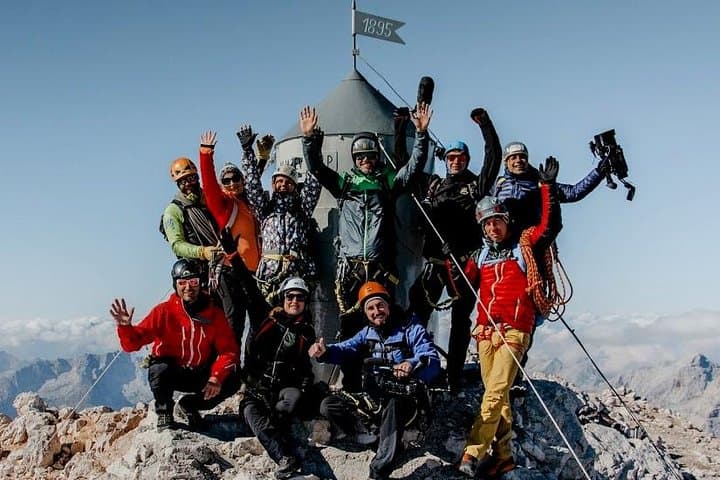
You creep up the Krma Valley before dawn, granite walls cooling your breath as the trail rises. The ridge ahead juts like a challenge; the summit sits at 2,864 m, the high point of the Julian Alps and a national emblem that watches over Slovenia.
You creep up the Krma Valley before dawn, granite walls cooling your breath as the trail rises. The ridge ahead juts like a challenge; the summit sits at 2,864 m, the high point of the Julian Alps and a national emblem that watches over Slovenia.
Triglav’s bones are limestone and dolomite sculpted by ice—steep ridges, scree bands and narrow arêtes formed in the last glaciation. The mountain has long been a cultural touchstone for Slovenians; the three-headed peak even appears on the country’s flag. Huts such as Triglavski dom provide the human touch—warm wood interiors and the steady rhythm of hikers swapping route notes.
The standard Krma route is a practical, two-day ascent: expect 5–7 hours on day one to reach the hut and a second day that includes exposed via ferrata sections before the summit push. Total elevation gain depends on your start point but is commonly 1,300–1,700 m. Terrain alternates forested valley trails, rocky switchbacks and fixed-wire scrambling near the top; the final sections require comfort with exposure rather than technical climbing.
Plan for volatile mountain weather, start early both days, and carry warm layers even in summer—wind and storms can arrive fast. Use sturdy mountaineering boots and poles for steep approaches, and reserve bunk space in advance. Guided group trips supply ropes, harnesses and helmets, which is useful if you want a safer introduction to via ferrata. Stand on the summit and the view pushes you forward: a broad sweep of alpine ridges and glacial basins, earned the hard way.