THE ADVENTURE COLLECTIVE® · Independent discovery and booking for outdoor travel

Scale Portugal’s highest peak under the eye of certified guides: a demanding full-day climb across lava flows and loose scree to 2,351 m. Read what to expect, why guides are required, and how to prepare for Pico’s shifting weather and steep terrain.
Scale Portugal’s highest peak under the eye of certified guides: a demanding full-day climb across lava flows and loose scree to 2,351 m. Read what to expect, why guides are required, and how to prepare for Pico’s shifting weather and steep terrain.
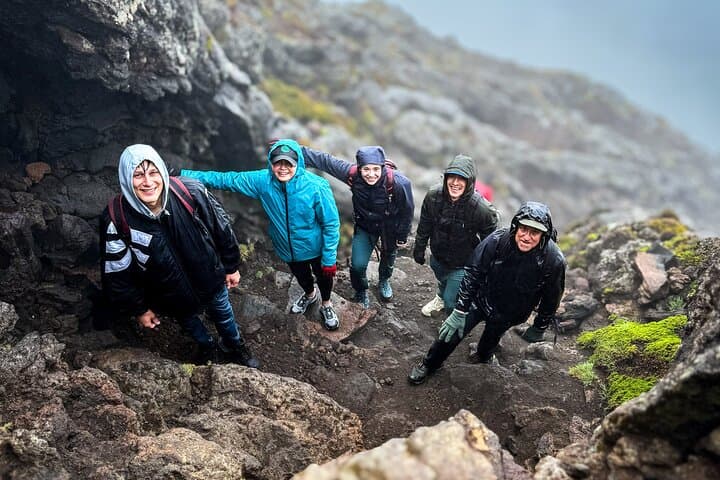
Morning light on Pico slices across black lava and low cloud; the cone feels alive underfoot, its loose scoria whispering as groups set off from Casa da Montanha. The trail climbs abruptly—first through pasture and sparse heather, then into raw volcanic rock where the mountain asserts itself with steep pitches and angular scrambling.
Verified experiences and guided adventures in the surrounding area.
Operated by Tripix Azores · Madalena, Azores
Morning light on Pico slices across black lava and low cloud; the cone feels alive underfoot, its loose scoria whispering as groups set off from Casa da Montanha. The trail climbs abruptly—first through pasture and sparse heather, then into raw volcanic rock where the mountain asserts itself with steep pitches and angular scrambling.
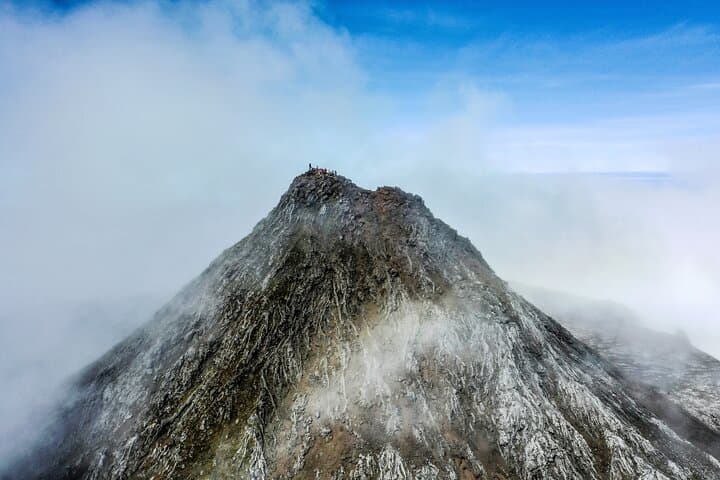
Geology here is obvious: Pico is a stratovolcano built from successive eruptions, a solidified record of basalt flows and volcanic bombs that shape the 2,351 m summit (Piquinho). The island’s human story is braided with this geology: vineyards planted in volcanic rock, historic whaling coves below, and a culture shaped by wind and sea. Guides on this route share those links between rock, flora, and local life as you gain altitude.
Expect a challenging alpine day: the standard climb is roughly 8 km round-trip with about 1,100 m of ascent from Casa da Montanha (starting ~1,230 m), though total accumulated elevation can feel greater. Terrain alternates packed trail, loose lava scree and short rock scrambles. Weather matters—wind, cloud base and rain can change the route or timing.
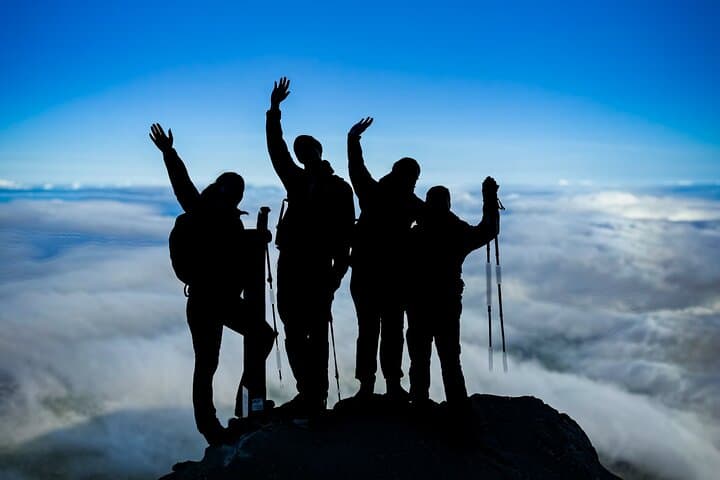
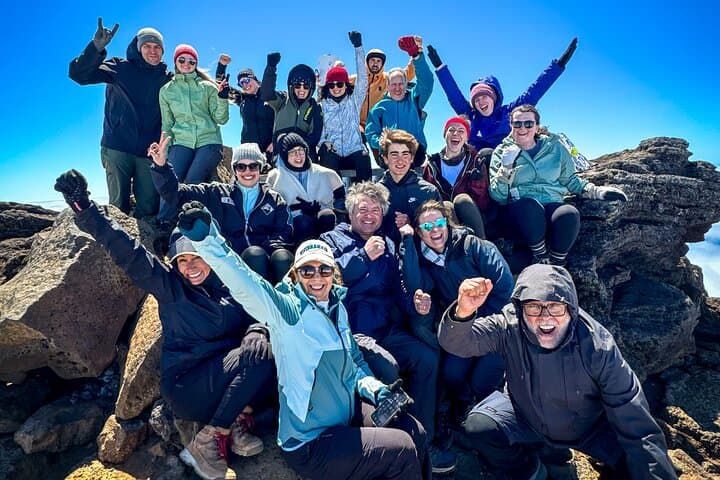
Practical guidance: start early, pace conservatively, and follow your certified guide’s instructions; they monitor health and micro-weather. Bring layered clothing, sturdy mountain boots, sun and wind protection, and enough water for a full-day effort. If you’re fit, sure-footed and prepared, the summit reward is a raw panorama where the island folds to the sea and the Atlantic seems to pull you outward—an uncompromising, memorable climb.
challenging.
7–9 hours.
Requires a high level of cardiovascular fitness, leg strength, and good balance for scrambling on loose volcanic rock.
The full route is roughly 8 km round-trip with about 1,100 m of ascent from Casa da Montanha; expect sustained steep sections and loose scree near the summit.
You don’t need technical climbing credentials, but you should be fit, comfortable on uneven terrain and able to scramble; guides lead the route and monitor safety.
Guides assess wind, cloud base and rain; they may alter pace, choose an alternative line, or cancel the summit attempt for safety reasons.
Access to Mount Pico is regulated as part of the Mount Pico Natural Reserve; entrance fees and a climbing certificate are typically handled by the operator.
Pico’s cone formed through successive volcanic eruptions and has long shaped island life—viticulture on basalt plots and a past economy tied to whaling and maritime trade.
The route crosses Mount Pico Natural Reserve; stay on trails, avoid disturbing endemic vegetation, and carry out all waste to protect fragile alpine habitats.
Tripix Azores operates guided outdoor trips and adventures with an emphasis on safety, stewardship, and memorable experiences.
Morning light on Pico slices across black lava and low cloud; the cone feels alive underfoot, its loose scoria whispering as groups set off from Casa da Montanha. The trail climbs abruptly—first through pasture and sparse heather, then into raw volcanic rock where the mountain asserts itself with steep pitches and angular scrambling.
Morning light on Pico slices across black lava and low cloud; the cone feels alive underfoot, its loose scoria whispering as groups set off from Casa da Montanha. The trail climbs abruptly—first through pasture and sparse heather, then into raw volcanic rock where the mountain asserts itself with steep pitches and angular scrambling.
Geology here is obvious: Pico is a stratovolcano built from successive eruptions, a solidified record of basalt flows and volcanic bombs that shape the 2,351 m summit (Piquinho). The island’s human story is braided with this geology: vineyards planted in volcanic rock, historic whaling coves below, and a culture shaped by wind and sea. Guides on this route share those links between rock, flora, and local life as you gain altitude.
Expect a challenging alpine day: the standard climb is roughly 8 km round-trip with about 1,100 m of ascent from Casa da Montanha (starting ~1,230 m), though total accumulated elevation can feel greater. Terrain alternates packed trail, loose lava scree and short rock scrambles. Weather matters—wind, cloud base and rain can change the route or timing.
Practical guidance: start early, pace conservatively, and follow your certified guide’s instructions; they monitor health and micro-weather. Bring layered clothing, sturdy mountain boots, sun and wind protection, and enough water for a full-day effort. If you’re fit, sure-footed and prepared, the summit reward is a raw panorama where the island folds to the sea and the Atlantic seems to pull you outward—an uncompromising, memorable climb.