THE ADVENTURE COLLECTIVE® · Independent discovery and booking for outdoor travel

The Marangu Route offers a six-day, hut-based ascent of Kilimanjaro that moves from rainforest to alpine desert. This guide covers what to expect on the trail, the mountain’s geology and culture, and practical tips for a safe summit bid.
The Marangu Route offers a six-day, hut-based ascent of Kilimanjaro that moves from rainforest to alpine desert. This guide covers what to expect on the trail, the mountain’s geology and culture, and practical tips for a safe summit bid.
Dawn breaks on Kilimanjaro’s lower rainforest and the path breathes steam and bird-song as climbers set out for Mandara Hut. Trees press close in the first hours; moss drips from branches and the trail threads between giant groundsel and fern. By day three the forest gives way to open heath and the mountain’s moods shift—wind scours the moorland, and Kibo’s caldera sits like an austere, distant city crowned in snow.
Verified experiences and guided adventures in the surrounding area.
Operated by Kili View And Safaris · Moshi, Kilimanjaro Region
Dawn breaks on Kilimanjaro’s lower rainforest and the path breathes steam and bird-song as climbers set out for Mandara Hut. Trees press close in the first hours; moss drips from branches and the trail threads between giant groundsel and fern. By day three the forest gives way to open heath and the mountain’s moods shift—wind scours the moorland, and Kibo’s caldera sits like an austere, distant city crowned in snow.
The Marangu Route follows a well-established line first used by early 20th-century explorers and later formalized by the park service. Geologically, Kilimanjaro is a dormant stratovolcano with three cones—Shira, Mawenzi and Kibo—whose volcanic soils feed the rich montane forests below and yield stark alpine desert nearer the summit. Locally, Chagga communities around Moshi have long guided and supported climbs; huts along Marangu reflect that history by offering simple dormitory lodging rather than tents.
Practical guidance: this is non-technical but high-altitude trekking. The six-day schedule improves acclimatization but does not remove acute mountain sickness risk. Accommodation is in mountain huts; expect communal sleeping and basic facilities. Porters and guides handle logistics—tip according to local guidelines. Hydration and steady pacing are essential: the last night pushes through a long, cold summit bid from late-night to sunrise.
Plan footwear for rock, scree and soggy forest; layer for rapid temperature swings from humid rainforest to arctic peak. Start your climb with 4–6 weeks of regular cardio and hill training, and consult a physician about altitude medication if you have cardiac or respiratory concerns. On Kilimanjaro, respect trails, wildlife, and the fragile alpine zone—the mountain rewards patience with broad, unforgettable panoramas.
challenging.
6 days.
Good cardiovascular fitness and prior multi-day trekking experience recommended; ability to hike 6–8 hours on consecutive days.
Marangu is one of the more direct and well-trodden routes with hut accommodation, but altitude and summit exposure make it equally demanding—success depends more on acclimatization than route choice.
Huts are basic dormitories with shared facilities; they offer shelter and meals but limited heating, so bring warm layers and a sleeping liner.
No technical gear is required for the Marangu Route; crampons and ropes are unnecessary—however, traction for icy patches can be useful in some seasons.
No mandatory vaccines for entry specific to the route, but routine travel vaccines and malaria precautions for lower-elevation stays are recommended; consult a travel clinic before departure.
Kilimanjaro’s trails were shaped by local Chagga communities and early European explorers; the Marangu route became popular for its hut system and relative directness.
Kilimanjaro National Park protects diverse ecosystems but faces glacier retreat and erosion; stay on the trail, pack out waste, and follow park rules to reduce impact.
Kili View And Safaris operates guided outdoor trips and adventures with an emphasis on safety, stewardship, and memorable experiences.
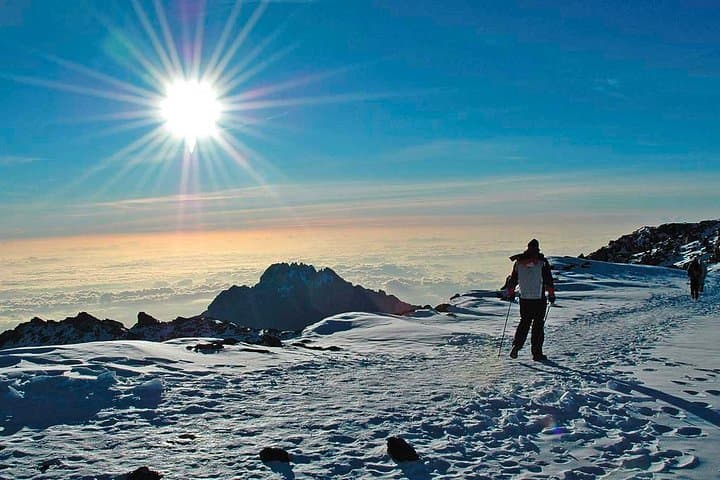
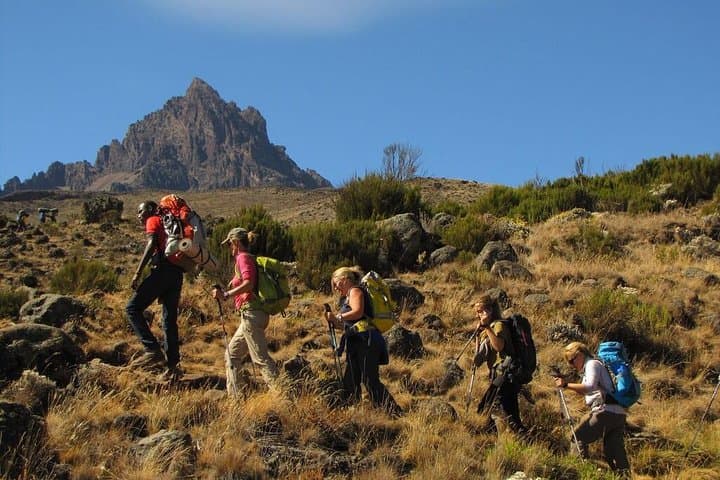
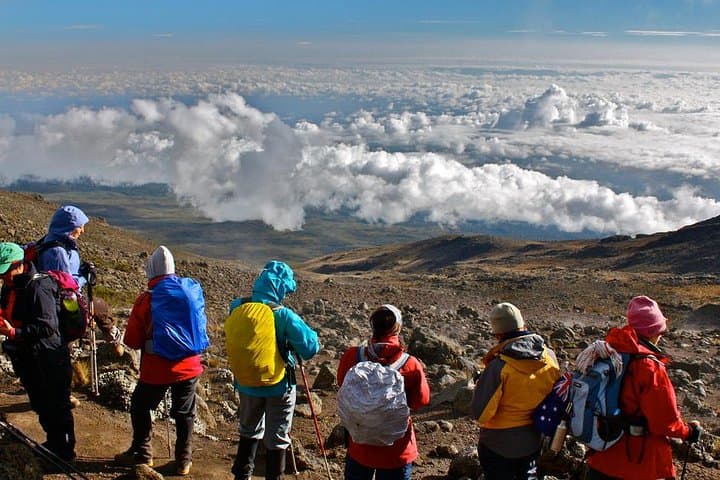
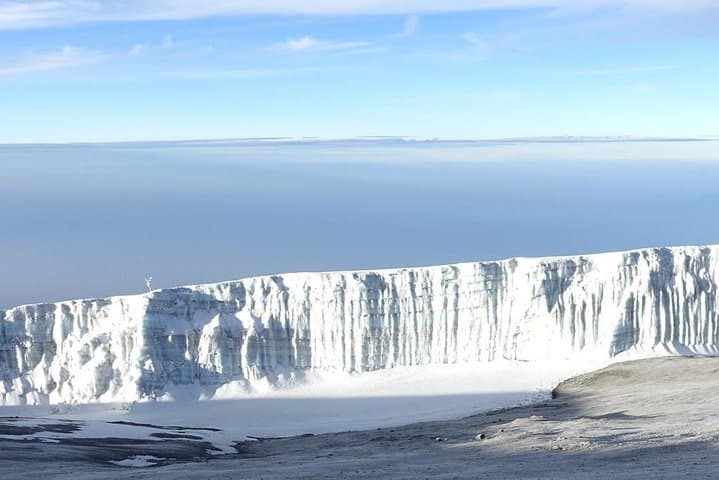
Dawn breaks on Kilimanjaro’s lower rainforest and the path breathes steam and bird-song as climbers set out for Mandara Hut. Trees press close in the first hours; moss drips from branches and the trail threads between giant groundsel and fern. By day three the forest gives way to open heath and the mountain’s moods shift—wind scours the moorland, and Kibo’s caldera sits like an austere, distant city crowned in snow.
Dawn breaks on Kilimanjaro’s lower rainforest and the path breathes steam and bird-song as climbers set out for Mandara Hut. Trees press close in the first hours; moss drips from branches and the trail threads between giant groundsel and fern. By day three the forest gives way to open heath and the mountain’s moods shift—wind scours the moorland, and Kibo’s caldera sits like an austere, distant city crowned in snow.
The Marangu Route follows a well-established line first used by early 20th-century explorers and later formalized by the park service. Geologically, Kilimanjaro is a dormant stratovolcano with three cones—Shira, Mawenzi and Kibo—whose volcanic soils feed the rich montane forests below and yield stark alpine desert nearer the summit. Locally, Chagga communities around Moshi have long guided and supported climbs; huts along Marangu reflect that history by offering simple dormitory lodging rather than tents.
Practical guidance: this is non-technical but high-altitude trekking. The six-day schedule improves acclimatization but does not remove acute mountain sickness risk. Accommodation is in mountain huts; expect communal sleeping and basic facilities. Porters and guides handle logistics—tip according to local guidelines. Hydration and steady pacing are essential: the last night pushes through a long, cold summit bid from late-night to sunrise.
Plan footwear for rock, scree and soggy forest; layer for rapid temperature swings from humid rainforest to arctic peak. Start your climb with 4–6 weeks of regular cardio and hill training, and consult a physician about altitude medication if you have cardiac or respiratory concerns. On Kilimanjaro, respect trails, wildlife, and the fragile alpine zone—the mountain rewards patience with broad, unforgettable panoramas.