THE ADVENTURE COLLECTIVE® · Independent discovery and booking for outdoor travel

A 7-day Lemosho ascent guides hikers from rainforest to summit rim, offering extended acclimatization and dramatic views of Kibo. This expedition balances technical alpine sections with long trekking days—prepare for altitude, variable terrain, and a long summit night.
A 7-day Lemosho ascent guides hikers from rainforest to summit rim, offering extended acclimatization and dramatic views of Kibo. This expedition balances technical alpine sections with long trekking days—prepare for altitude, variable terrain, and a long summit night.
Dawn creeps over the eastern plains and the silhouette of Kibo sharpens against a pale sky. On the Lemosho Route, hikers begin in rainforest humidity and end above the clouds where wind carves the rim of Kibo. The approach through Londorossi Gate feels gradual at first — mossed trunks, birdcalls — and then the mountain opens into rolling moorland and an exposed alpine desert that dares climbers onward.
Verified experiences and guided adventures in the surrounding area.
Operated by Kilimanjaro Safari Experience · Moshi, Kilimanjaro Region
Dawn creeps over the eastern plains and the silhouette of Kibo sharpens against a pale sky. On the Lemosho Route, hikers begin in rainforest humidity and end above the clouds where wind carves the rim of Kibo. The approach through Londorossi Gate feels gradual at first — mossed trunks, birdcalls — and then the mountain opens into rolling moorland and an exposed alpine desert that dares climbers onward.
The Lemosho was developed as a gentler, scenic alternative to older western approaches, giving an extended acclimatization profile. Geologically, Kilimanjaro is a three-cone stratovolcano: Shira, Mawenzi and Kibo, the last holding the summit crater and permanent icefields that have been retreating for decades. Culturally the mountain sits in the Kilimanjaro Region, sacred to Chagga communities who historically used lower slopes for agriculture and ceremonial sites; porters and guides are central to any ascent and form a working mountain culture with strict park regulations.
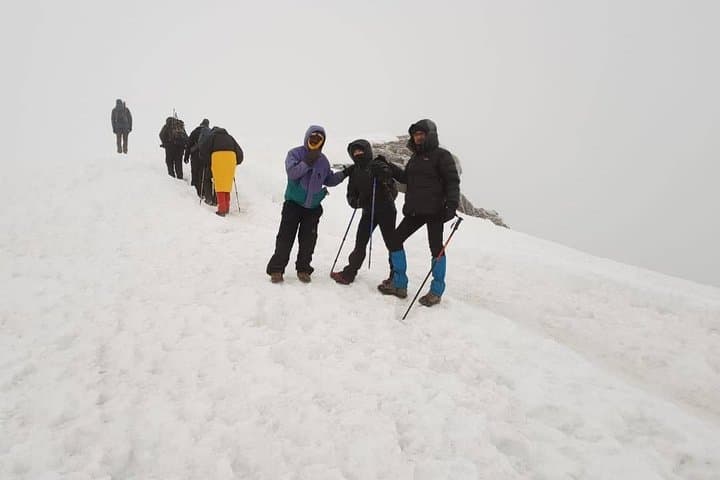
Practical guidance: the itinerary runs seven days with progressive altitude gain, summit push from Barafu, and descent via Mweka. Expect 6–10 hour trekking days, one long summit night, and variable terrain—forest trail, heather moor, scree and icy ramparts near the summit. Hydration, steady pacing, layered clothing, and attention to acclimatization protocols are essential. Footwear with solid ankle support and crampon-compatible boots are recommended for the upper sections.
Timing your climb in the drier months improves summit chances; reserve permits in advance and budget for local guide and porter fees. Respect park rules: pack out waste, minimize single-use plastics, and support fair treatment and wages for crews — they carry the climb.
difficult.
7 days.
Requires strong cardiovascular fitness, experience with day hikes of 6–8 hours and multi-day trekking; ability to carry a daypack and hike on scree.
The clearest weather and highest summit success rates are during the dry seasons (June–October and January–February), though shoulder months can offer fewer crowds.
Altitude sickness is a real risk; the route’s extra days aid acclimatization, but hikers must monitor symptoms and descend if severe signs appear.
No technical rock-climbing skills are required, but basic experience with crampons and an ice axe is helpful for the final icy sections.
Climbers must purchase Kilimanjaro National Park entrance permits; most operators include permits, park fees, certified guides, porters and camping gear in the package.
Kilimanjaro has been a cultural landmark for Chagga and Maasai peoples and was first summited in 1889; the Lemosho route is a newer, lower-elevation trail offering better acclimatization.
Glacial retreat on Kibo is a visible effect of climate change; climbers should minimize waste, use refillable water systems and choose operators that follow park conservation guidelines.
Kilimanjaro Safari Experience operates guided outdoor trips and adventures with an emphasis on safety, stewardship, and memorable experiences.
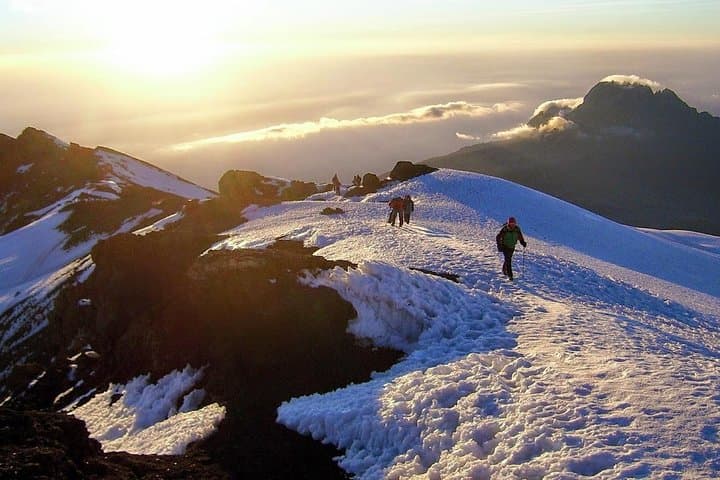
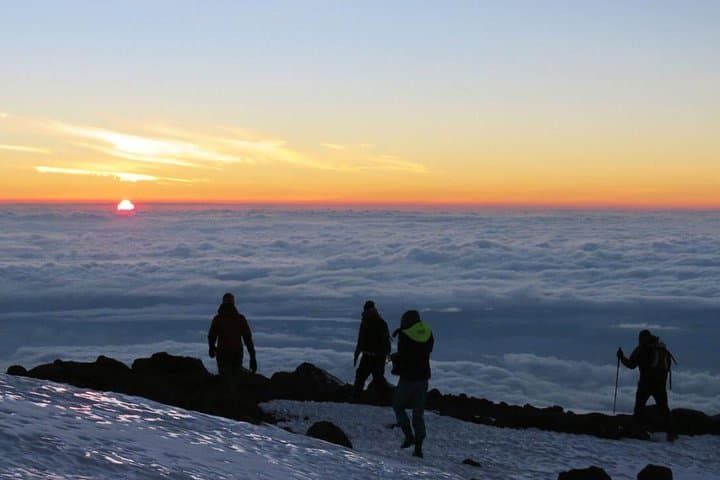
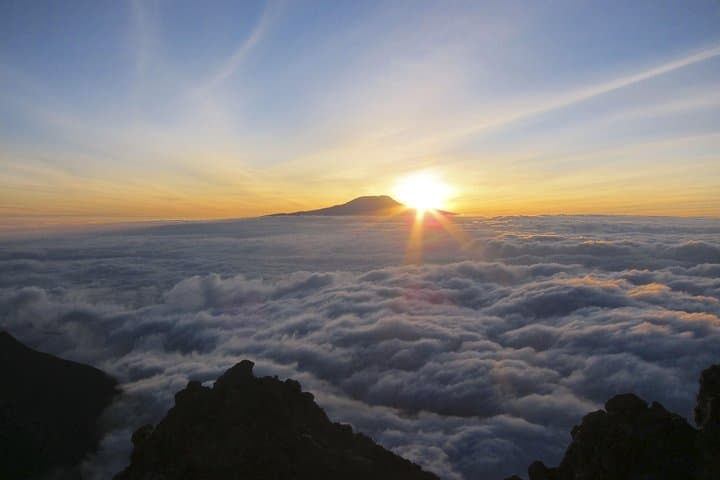
Dawn creeps over the eastern plains and the silhouette of Kibo sharpens against a pale sky. On the Lemosho Route, hikers begin in rainforest humidity and end above the clouds where wind carves the rim of Kibo. The approach through Londorossi Gate feels gradual at first — mossed trunks, birdcalls — and then the mountain opens into rolling moorland and an exposed alpine desert that dares climbers onward.
Dawn creeps over the eastern plains and the silhouette of Kibo sharpens against a pale sky. On the Lemosho Route, hikers begin in rainforest humidity and end above the clouds where wind carves the rim of Kibo. The approach through Londorossi Gate feels gradual at first — mossed trunks, birdcalls — and then the mountain opens into rolling moorland and an exposed alpine desert that dares climbers onward.
The Lemosho was developed as a gentler, scenic alternative to older western approaches, giving an extended acclimatization profile. Geologically, Kilimanjaro is a three-cone stratovolcano: Shira, Mawenzi and Kibo, the last holding the summit crater and permanent icefields that have been retreating for decades. Culturally the mountain sits in the Kilimanjaro Region, sacred to Chagga communities who historically used lower slopes for agriculture and ceremonial sites; porters and guides are central to any ascent and form a working mountain culture with strict park regulations.
Practical guidance: the itinerary runs seven days with progressive altitude gain, summit push from Barafu, and descent via Mweka. Expect 6–10 hour trekking days, one long summit night, and variable terrain—forest trail, heather moor, scree and icy ramparts near the summit. Hydration, steady pacing, layered clothing, and attention to acclimatization protocols are essential. Footwear with solid ankle support and crampon-compatible boots are recommended for the upper sections.
Timing your climb in the drier months improves summit chances; reserve permits in advance and budget for local guide and porter fees. Respect park rules: pack out waste, minimize single-use plastics, and support fair treatment and wages for crews — they carry the climb.