THE ADVENTURE COLLECTIVE® · Independent discovery and booking for outdoor travel

Mateo Mountain, at 5200 meters near Huaraz, Peru, offers beginners an accessible yet exhilarating glacier climb with sweeping views of the Cordillera Blanca. This full-day guided expedition blends manageable terrain with the thrill of high altitude, serving as a perfect introduction to Andean mountaineering.
Mateo Mountain, at 5200 meters near Huaraz, Peru, offers beginners an accessible yet exhilarating glacier climb with sweeping views of the Cordillera Blanca. This full-day guided expedition blends manageable terrain with the thrill of high altitude, serving as a perfect introduction to Andean mountaineering.
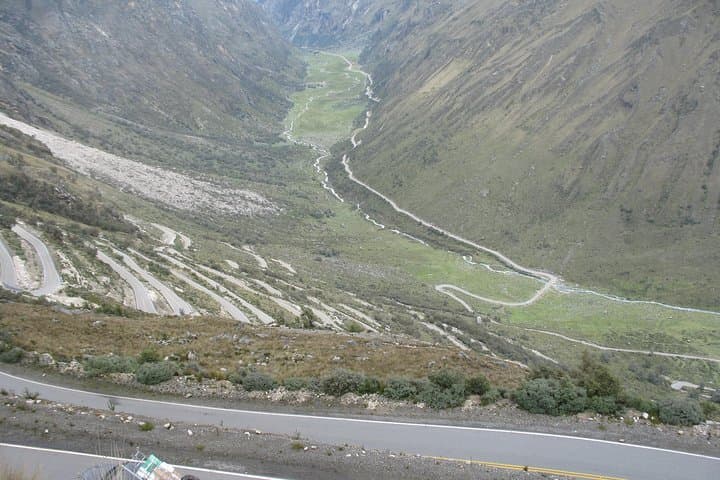
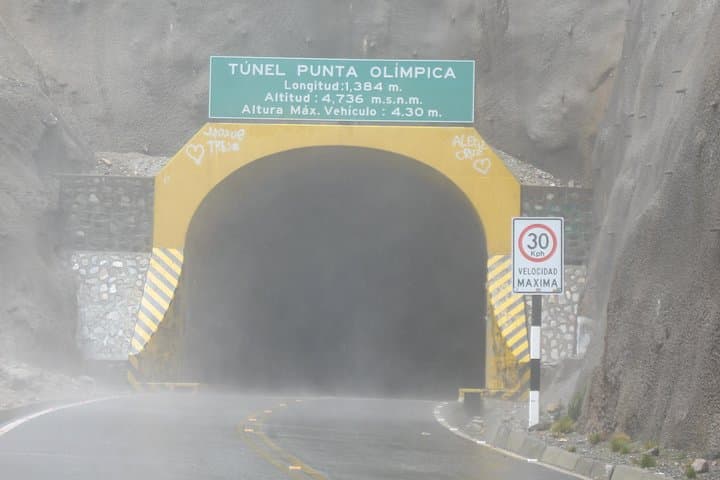
Rising sharply from the Cordillera Blanca’s sprawling ridge, Mateo Mountain presents a compelling challenge for aspiring climbers. At 5200 meters above sea level, this summit offers expansive views not far from Huaraz, Peru’s adventure capital. The morning air is crisp and carries the murmur of distant ice shifting atop glaciers, daring you forward as you begin the ascent from the moraine near the Punta Olimpica tunnel.
Verified experiences and guided adventures in the surrounding area.
Operated by Peru Bergsport · Huaraz, Ancash
Rising sharply from the Cordillera Blanca’s sprawling ridge, Mateo Mountain presents a compelling challenge for aspiring climbers. At 5200 meters above sea level, this summit offers expansive views not far from Huaraz, Peru’s adventure capital. The morning air is crisp and carries the murmur of distant ice shifting atop glaciers, daring you forward as you begin the ascent from the moraine near the Punta Olimpica tunnel.
Mateo Mountain's approach is accessible, with pathways threading through Andean grasses and rocky outcrops, easy enough for novices while still providing the thrill of high-altitude mountaineering. Along the route, the peaks of Chopicalqui and Contrahierbas punctuate the horizon, their sharp faces telling tales of ancient tectonic tensions. This range is carved from uplifted granitic rock, constantly shaped by the retreat of glaciers that still cling stubbornly to shaded slopes.
Huaraz itself is steeped in mountaineering history. Known as the gateway to Peru’s greatest climbing playground, it nurtures generations of guides and climbers alike. Mateo offers an introductory glimpse to this legacy—an ideal training ground where you can test equipment and acclimate without the technical strain of steeper ascents.
Practical planning is essential here: the climb demands a good level of fitness as you gain altitude over roughly 7-9 hours. Weather shifts quickly at these heights—sun gains intensity once it rises, but afternoon storms are frequent. Bringing layered clothing, sun protection, and sufficient water is non-negotiable. The climb includes glacier travel, so crampons, ice axes, and helmets are standard-issue; guides provide full gear and expert instruction.
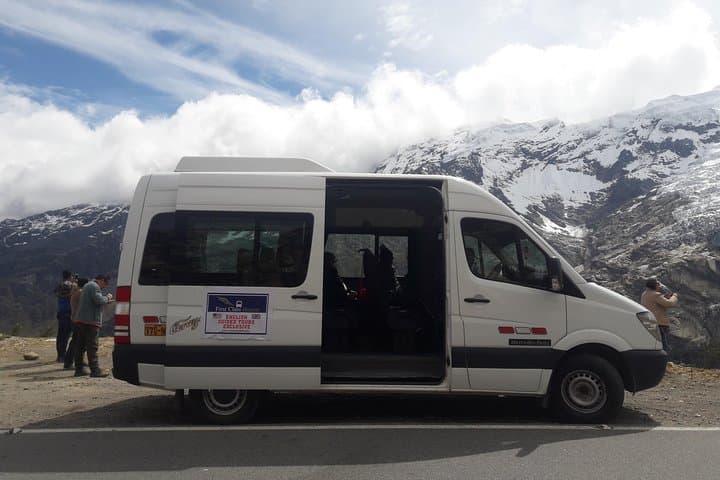
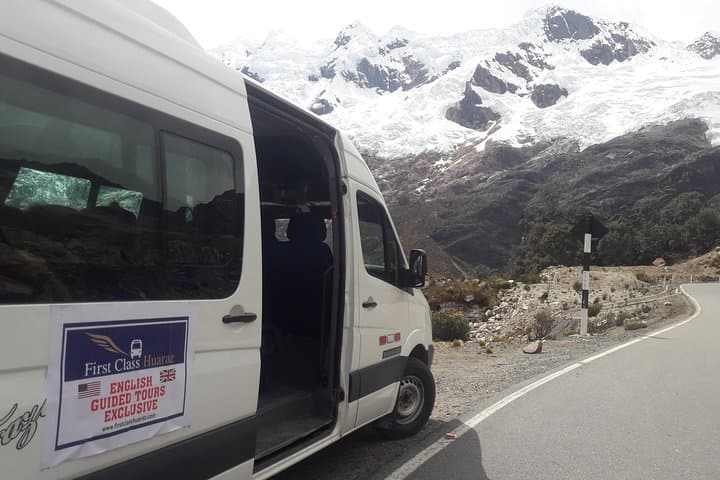
Departures start just after 2 a.m. from Huaraz to maximize safe daylight hours on the mountain. Transport is by comfortable, climate-controlled minivan to the trailhead. The trek itself is private, accompanied by professional guides who balance safety with your pacing.
Because the terrain is mostly straightforward, technical skills are minimal, but a steady foothold and basic crampon use are crucial. For those without prior experience, Mateo Mountain is a proving ground, rewarding with untarnished panoramas and a palpable sense of achievement upon standing atop 5200 meters.
Local conservation efforts emphasize respect for the fragile mountain ecosystem. Visitors are encouraged to pack out all waste and stick to established routes to minimize erosion and disturbance.
Mateo Mountain stands as a gateway to Peru’s peaks—both a welcoming first step and a bold invitation to further alpine exploits in the Cordillera Blanca.
moderate.
7–9 hours.
Good cardiovascular fitness required due to steady altitude gain; suitable for beginners with acclimation.
No prior technical climbing experience is required, but basic fitness and willingness to learn glacier travel are necessary.
This activity is recommended for physically fit adults; it is not suitable for young children, seniors with health concerns, or those with heart or back problems.
The package includes professional guides, climbing gear, round-trip transfers from Huaraz, and hotel pickup and drop-off.
Acclimate by spending a few days in Huaraz before the climb, stay hydrated, and ascend slowly to minimize symptoms.
Yes, the operator may cancel tours in bad weather for safety, with full refunds if canceled at least 24 hours before departure.
Sturdy, mountaineering or hiking boots that are compatible with crampons are required for this climb.
The Cordillera Blanca has attracted mountaineers since the early 20th century, with Huaraz serving as a central base for exploration and climbing in the Peruvian Andes.
The region promotes Leave No Trace ethics to protect fragile glacial ecosystems threatened by climate change and tourism impact.
Peru Bergsport operates guided outdoor trips and adventures with an emphasis on safety, stewardship, and memorable experiences.
Rising sharply from the Cordillera Blanca’s sprawling ridge, Mateo Mountain presents a compelling challenge for aspiring climbers. At 5200 meters above sea level, this summit offers expansive views not far from Huaraz, Peru’s adventure capital. The morning air is crisp and carries the murmur of distant ice shifting atop glaciers, daring you forward as you begin the ascent from the moraine near the Punta Olimpica tunnel.
Rising sharply from the Cordillera Blanca’s sprawling ridge, Mateo Mountain presents a compelling challenge for aspiring climbers. At 5200 meters above sea level, this summit offers expansive views not far from Huaraz, Peru’s adventure capital. The morning air is crisp and carries the murmur of distant ice shifting atop glaciers, daring you forward as you begin the ascent from the moraine near the Punta Olimpica tunnel.
Mateo Mountain's approach is accessible, with pathways threading through Andean grasses and rocky outcrops, easy enough for novices while still providing the thrill of high-altitude mountaineering. Along the route, the peaks of Chopicalqui and Contrahierbas punctuate the horizon, their sharp faces telling tales of ancient tectonic tensions. This range is carved from uplifted granitic rock, constantly shaped by the retreat of glaciers that still cling stubbornly to shaded slopes.
Huaraz itself is steeped in mountaineering history. Known as the gateway to Peru’s greatest climbing playground, it nurtures generations of guides and climbers alike. Mateo offers an introductory glimpse to this legacy—an ideal training ground where you can test equipment and acclimate without the technical strain of steeper ascents.
Practical planning is essential here: the climb demands a good level of fitness as you gain altitude over roughly 7-9 hours. Weather shifts quickly at these heights—sun gains intensity once it rises, but afternoon storms are frequent. Bringing layered clothing, sun protection, and sufficient water is non-negotiable. The climb includes glacier travel, so crampons, ice axes, and helmets are standard-issue; guides provide full gear and expert instruction.
Departures start just after 2 a.m. from Huaraz to maximize safe daylight hours on the mountain. Transport is by comfortable, climate-controlled minivan to the trailhead. The trek itself is private, accompanied by professional guides who balance safety with your pacing.
Because the terrain is mostly straightforward, technical skills are minimal, but a steady foothold and basic crampon use are crucial. For those without prior experience, Mateo Mountain is a proving ground, rewarding with untarnished panoramas and a palpable sense of achievement upon standing atop 5200 meters.
Local conservation efforts emphasize respect for the fragile mountain ecosystem. Visitors are encouraged to pack out all waste and stick to established routes to minimize erosion and disturbance.
Mateo Mountain stands as a gateway to Peru’s peaks—both a welcoming first step and a bold invitation to further alpine exploits in the Cordillera Blanca.