THE ADVENTURE COLLECTIVE® · Independent discovery and booking for outdoor travel

A full-day excursion east of Medellín that pairs the stair-climb of El Peñol (about 700 steps) with a stroll through Guatapé’s painted streets and lakeside views. Expect geological spectacle, local history, and practical tips for timing, fees, and what to pack.
A full-day excursion east of Medellín that pairs the stair-climb of El Peñol (about 700 steps) with a stroll through Guatapé’s painted streets and lakeside views. Expect geological spectacle, local history, and practical tips for timing, fees, and what to pack.
You arrive along a ribbon of mountain road, coffee hills folding away to reveal a stitched pattern of blue water and islands — the Peñol-Guatapé reservoir stretching like an inland sea. The monolith of El Peñol rises from that water: a gray granite wall scored with a staircase that dares you upward. Wind and lake air meet and push at your pace as you climb; the region watches you back.
Verified experiences and guided adventures in the surrounding area.
Operated by Medellin City Services · Guatapé, Antioquia
You arrive along a ribbon of mountain road, coffee hills folding away to reveal a stitched pattern of blue water and islands — the Peñol-Guatapé reservoir stretching like an inland sea. The monolith of El Peñol rises from that water: a gray granite wall scored with a staircase that dares you upward. Wind and lake air meet and push at your pace as you climb; the region watches you back.
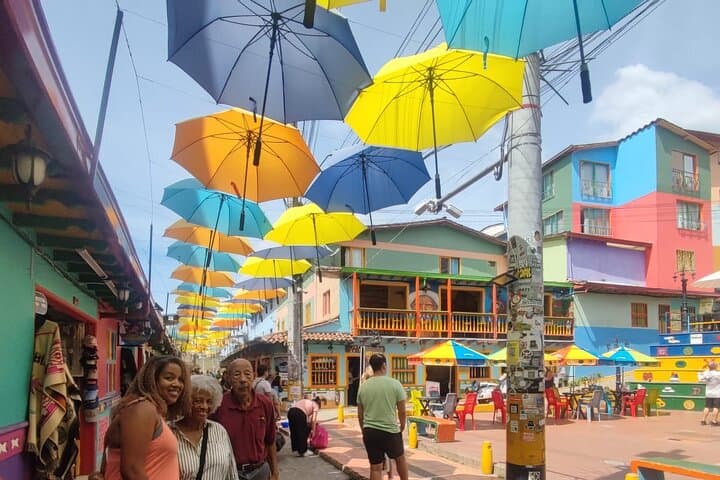
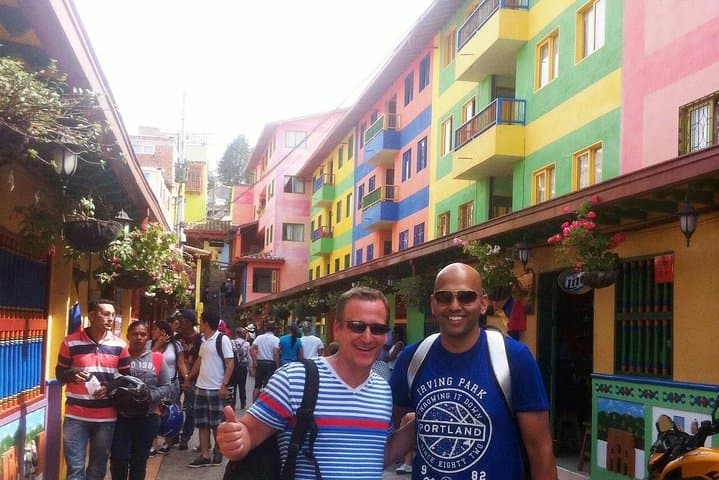
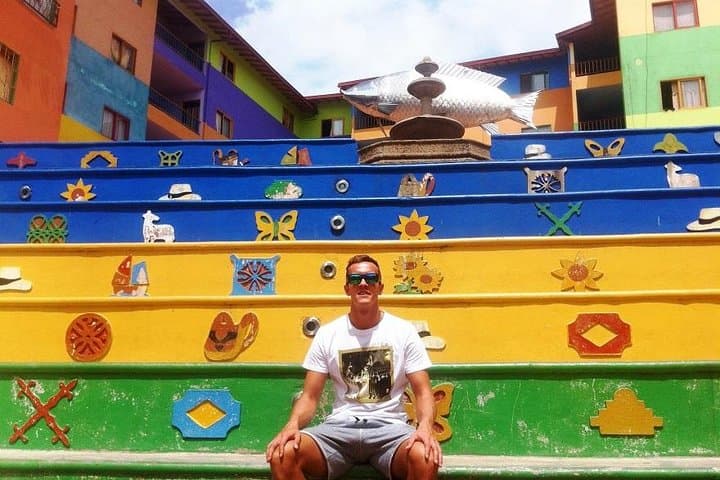
The story here is human and geological. The towering rock is an ancient granite intrusive that resisted erosion while valleys filled; the colorful facades and carved zócalos of Guatapé reflect Antioquia’s colonial and peasant craft traditions. In the 1950s the valley was intentionally flooded to form a hydroelectric reservoir, relocating an old village and creating the current archipelago of islands and viewpoints.
Expect a mix of paved streets, waterfront promenades, and a steep ascent of roughly 700 steps to the summit viewpoint (entrance fee not always included). Guides typically provide commentary on local history and point out lookout spots that photographers favor at golden hour. The route is suitable for most walkers but the stair climb requires steady footing and short breathers.
Practical notes: bring cash for entrance and lunch, sun protection, and a lightweight rain layer — weather can switch fast. Aim for early departures to beat crowds and afternoon squalls. The day combines cultural color, geological spectacle, and a straightforward physical challenge; it’s a compact, satisfying slice of Antioquia that rewards curiosity and sensible preparation.
moderate.
8 hours.
Suitable for people who can handle sustained walking and a long staircase; basic cardiovascular fitness recommended
Not always—many tours exclude the small entrance fee to climb the 700 steps, so bring cash just in case.
The drive takes about 1.5 to 2 hours each way depending on traffic and exact pickup location.
The staircase is steep but has landings for rest; children and active seniors can usually manage it with breaks, but people with mobility issues should consider skipping the climb.
Yes—Guatapé has many restaurants and lakeside cafés; meals are typically at your own expense and there are options from casual to sit-down.
In the 1950s the reservoir project flooded the old valley, creating the current lake system and transforming the townscape; Guatapé’s zócalos developed as a local folk-art tradition.
The reservoir and surrounding hills are sensitive to litter and fuel runoff; support local guides who follow low-impact practices and pack out waste.
Medellin City Services operates guided outdoor trips and adventures with an emphasis on safety, stewardship, and memorable experiences.
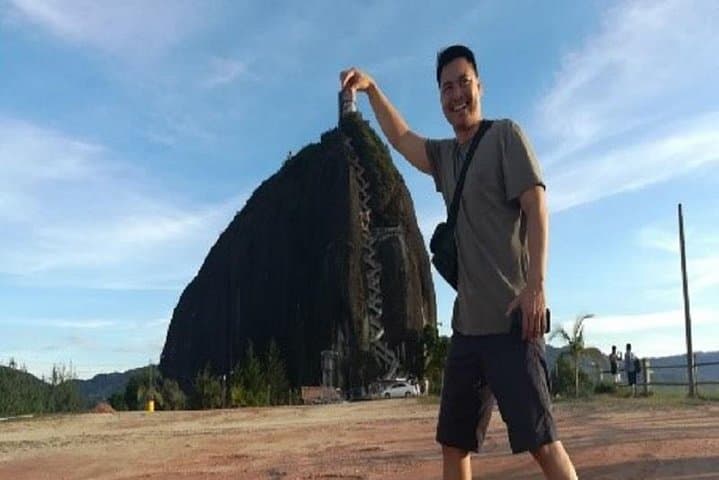
You arrive along a ribbon of mountain road, coffee hills folding away to reveal a stitched pattern of blue water and islands — the Peñol-Guatapé reservoir stretching like an inland sea. The monolith of El Peñol rises from that water: a gray granite wall scored with a staircase that dares you upward. Wind and lake air meet and push at your pace as you climb; the region watches you back.
You arrive along a ribbon of mountain road, coffee hills folding away to reveal a stitched pattern of blue water and islands — the Peñol-Guatapé reservoir stretching like an inland sea. The monolith of El Peñol rises from that water: a gray granite wall scored with a staircase that dares you upward. Wind and lake air meet and push at your pace as you climb; the region watches you back.
The story here is human and geological. The towering rock is an ancient granite intrusive that resisted erosion while valleys filled; the colorful facades and carved zócalos of Guatapé reflect Antioquia’s colonial and peasant craft traditions. In the 1950s the valley was intentionally flooded to form a hydroelectric reservoir, relocating an old village and creating the current archipelago of islands and viewpoints.
Expect a mix of paved streets, waterfront promenades, and a steep ascent of roughly 700 steps to the summit viewpoint (entrance fee not always included). Guides typically provide commentary on local history and point out lookout spots that photographers favor at golden hour. The route is suitable for most walkers but the stair climb requires steady footing and short breathers.
Practical notes: bring cash for entrance and lunch, sun protection, and a lightweight rain layer — weather can switch fast. Aim for early departures to beat crowds and afternoon squalls. The day combines cultural color, geological spectacle, and a straightforward physical challenge; it’s a compact, satisfying slice of Antioquia that rewards curiosity and sensible preparation.