
Climb Kilimanjaro via the Marangu Route — 5-Day Hut Trek to Uhuru Peak
Climb Africa’s highest peak on the classic Marangu Route: a hut-to-hut ascent that trades technical difficulty for altitude and steady, communal progress. Read on for what to expect from terrain and huts to essential planning tips.
An Adventure In Moshi.
Climb Africa’s highest peak on the classic Marangu Route: a hut-to-hut ascent that trades technical difficulty for altitude and steady, communal progress. Read on for what to expect from terrain and huts to essential planning tips.
Read the full experience
A thin sun cuts across the alpine desert as the line of headlamps winds from Kibo Hut toward the crater rim. You feel the mountain’s breath: cold, dry, and oddly alive—rock that remembers fire and ice. On the Marangu Route, huts punctuate the ascent, giving this classic approach a steady, communal rhythm that both comforts and forces you to move deliberately.
A thin sun cuts across the alpine desert as the line of headlamps winds from Kibo Hut toward the crater rim. You feel the mountain’s breath: cold, dry, and oddly alive—rock that remembers fire and ice. On the Marangu Route, huts punctuate the ascent, giving this classic approach a steady, communal rhythm that both comforts and forces you to move deliberately.
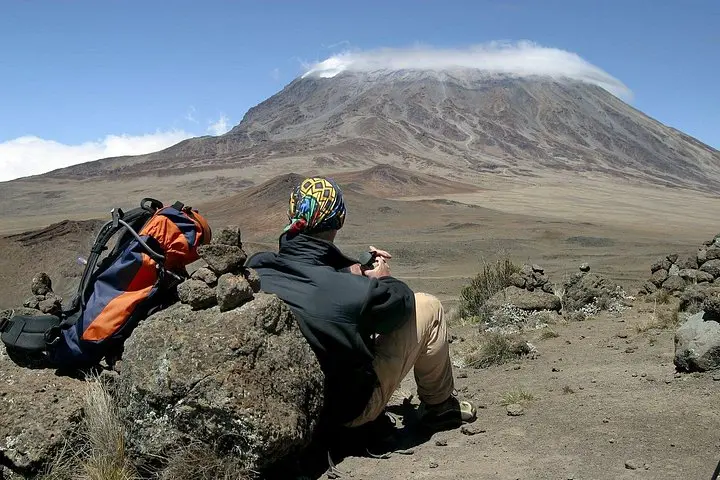
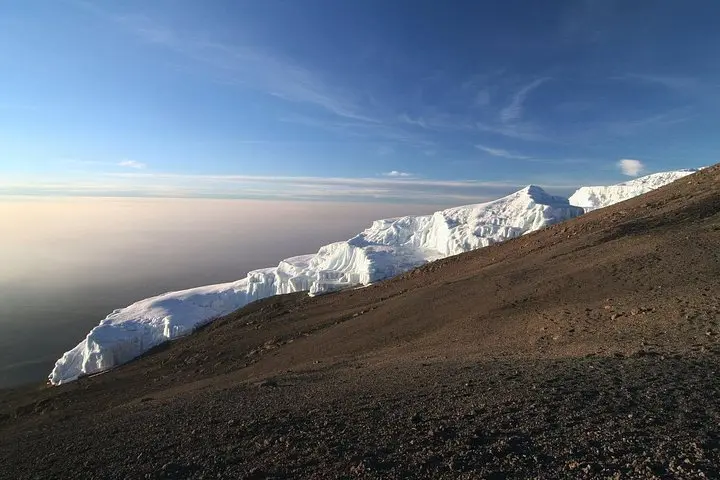
Geology here is blunt: Kilimanjaro is a three-peaked stratovolcano built from eruptions and sculpted by glaciers. Kibo’s crater holds Uhuru Peak, once dusted with permanent ice that is now in retreat. The lower slopes are owned by the forest—emergent giants and moss—then heather and giant lobelia in the moorland, and finally the lunar-like saddle between Kibo and Mawenzi.
Local culture centers on the Chagga people around Moshi and Marangu village; coffee farms and narrow footpaths speak to generations who’ve lived by the mountain’s water and shade. The route’s huts—Mandara, Horombo, Kibo—offer simple shelter, meals, and company, but conditions change fast so expect communal dorms and varying facilities.
Practical guidance: this trek is non-technical but high-altitude. Plan 5–7 days with an added acclimatization night at Horombo if possible. Hydrate often, eat regularly, and walk slow on summit night to conserve energy. Layers matter—day heat can flip to sub-zero temperatures after midnight. Park fees and hut accommodation are included on many packages; confirm toilet/water arrangements for Kibo Hut (limited services). Respect porter welfare, follow your guides’ pace, and be ready to turn back if signs of altitude sickness appear—the mountain demands patience and respect.
Frequently asked questions
No technical climbing skills are required on Marangu; it’s a strenuous hike rather than a technical climb, but high-altitude experience and good fitness improve success chances.
Temperatures at Uhuru Peak can drop below -10°C (14°F) with wind chill—layers, warm gloves, and a down jacket are essential for summit night.
Many operators include meals, hut accommodation and national park fees—confirm in your booking; this particular itinerary generally covers food, water and park fees.
Altitude sickness, severe weather, or exhaustion are the main reasons guides will recommend descent; safety decisions prioritize health over summit success.
About This Experience
Ben Adventure Travels operates guided outdoor trips and adventures with an emphasis on safety, stewardship, and memorable experiences.
Adventure tips
Recommended gear
- Sturdy trekking boots: Support and traction for long days over roots, scree and frozen dirt.
- Insulated down jacket: Critical for summit night and cold alpine desert temperatures.
- Headlamp with extra batteries: Essential for pre-dawn summit starts and moving around huts at night.
- Hydration system and water purification: Easy access to water and backup purification reduce reliance on purchased bottled water.
Photos of the experience
Related adventures & guides
Read the full experience
A thin sun cuts across the alpine desert as the line of headlamps winds from Kibo Hut toward the crater rim. You feel the mountain’s breath: cold, dry, and oddly alive—rock that remembers fire and ice. On the Marangu Route, huts punctuate the ascent, giving this classic approach a steady, communal rhythm that both comforts and forces you to move deliberately.
A thin sun cuts across the alpine desert as the line of headlamps winds from Kibo Hut toward the crater rim. You feel the mountain’s breath: cold, dry, and oddly alive—rock that remembers fire and ice. On the Marangu Route, huts punctuate the ascent, giving this classic approach a steady, communal rhythm that both comforts and forces you to move deliberately.
Geology here is blunt: Kilimanjaro is a three-peaked stratovolcano built from eruptions and sculpted by glaciers. Kibo’s crater holds Uhuru Peak, once dusted with permanent ice that is now in retreat. The lower slopes are owned by the forest—emergent giants and moss—then heather and giant lobelia in the moorland, and finally the lunar-like saddle between Kibo and Mawenzi.
Local culture centers on the Chagga people around Moshi and Marangu village; coffee farms and narrow footpaths speak to generations who’ve lived by the mountain’s water and shade. The route’s huts—Mandara, Horombo, Kibo—offer simple shelter, meals, and company, but conditions change fast so expect communal dorms and varying facilities.
Practical guidance: this trek is non-technical but high-altitude. Plan 5–7 days with an added acclimatization night at Horombo if possible. Hydrate often, eat regularly, and walk slow on summit night to conserve energy. Layers matter—day heat can flip to sub-zero temperatures after midnight. Park fees and hut accommodation are included on many packages; confirm toilet/water arrangements for Kibo Hut (limited services). Respect porter welfare, follow your guides’ pace, and be ready to turn back if signs of altitude sickness appear—the mountain demands patience and respect.
Make a day of it nearby.
Verified experiences and guided adventures in the surrounding area.