THE ADVENTURE COLLECTIVE® · Independent discovery and booking for outdoor travel

A seven-day Machame ascent gives you the breathing room and acclimatization to reach Uhuru Peak without the rush. Follow rainforest trails, volcanic ridgelines and scree slopes on this classic route from Machame Gate to Mweka.
A seven-day Machame ascent gives you the breathing room and acclimatization to reach Uhuru Peak without the rush. Follow rainforest trails, volcanic ridgelines and scree slopes on this classic route from Machame Gate to Mweka.
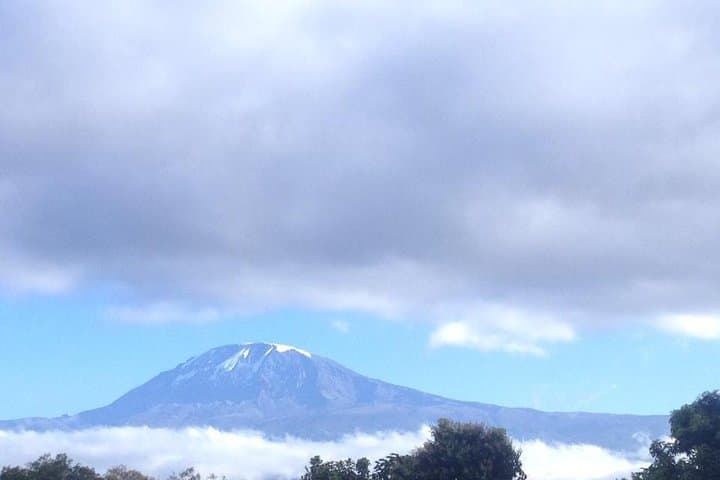
You step from the Toyota into a breath of cool, damp rainforest and the mountain immediately rearranges the world. Moss drips from lobelia trunks, and the trail narrows to a single ribbon of churned earth that climbs into the clouds. For seven days the Machame Route will ask you to move deliberately — slow steps, steady breath — while Mount Kilimanjaro shifts through ecosystems like pages in a field guide: rainforest, heath, moorland, alpine desert and, finally, the glacial knife of the summit.
Verified experiences and guided adventures in the surrounding area.
Operated by KLM Safaris · Moshi, Kilimanjaro Region
You step from the Toyota into a breath of cool, damp rainforest and the mountain immediately rearranges the world. Moss drips from lobelia trunks, and the trail narrows to a single ribbon of churned earth that climbs into the clouds. For seven days the Machame Route will ask you to move deliberately — slow steps, steady breath — while Mount Kilimanjaro shifts through ecosystems like pages in a field guide: rainforest, heath, moorland, alpine desert and, finally, the glacial knife of the summit.
This seven-day Machame itinerary (roughly 62 km / 37 miles gate-to-gate) trades speed for acclimatization. The extra day compared with a six-day push raises summit odds substantially by easing the ascent profile: longer days early to gain altitude, then shorter steps into the high camps. On Day 3 you pass Lava Tower (4,630 m) — a raw volcanic spine that acts as a pressure valve for lungs — before descending to Barranco Camp. The route threads geological history; the mountain is an extinct volcanic massif whose layered slopes record eruptions and glaciation. Locally, the Chagga people have long treated Kilimanjaro as a place of weather and water, and Moshi remains the practical gateway for treks.
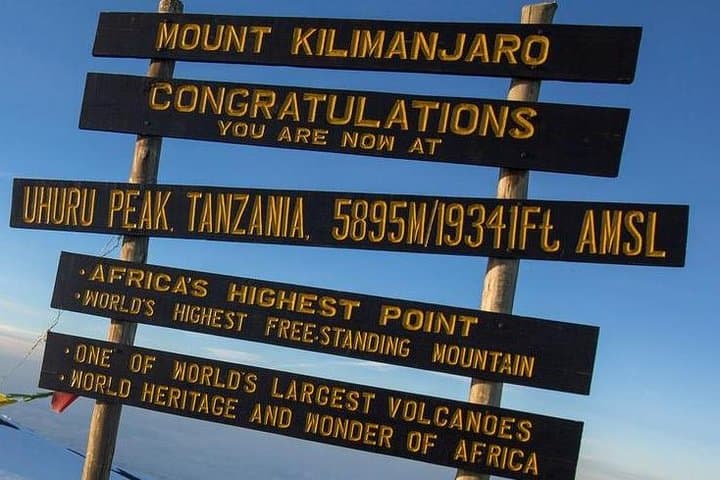
Expect a mix of trail types. The lower rainforest hugs roots and mud, requiring ankle-stable footwear. Above 3,000 meters the path opens to heather and giant groundsels; scree dominates the approach to Barafu Camp. Nights are in camps — simple platforms where guides cook stews and porters raise tarps against wind. The summit push departs around midnight from Barafu: walkers follow headlamps, a slow human chain of breath and boots, converging on Uhuru Peak (5,895 m) as the sun pries the horizon open.
Practical edge: train for long days with sustained elevation gain; do back-to-back hikes and include altitude exposure if possible. Hydration is critical — carry a litre or more and drink often; the dry, cold air masks fluid loss. Footwear should be broken-in, waterproof, and supportive; expect mud and sharp scree. Pack layers for temperature swings from balmy base-camp days to sub-zero summit conditions.
Logistics and culture: most groups start and end in Moshi, with transfers from Kilimanjaro International Airport (JRO). A reputable operator provides cook crew, porters, and permits — tipping porters and guides is customary. Environmentally, stick to marked trails and pack out non-organic waste; the fragile high zones recover slowly.
If you want the mountain’s best chance of giving you the summit, move slowly, let the height come to you, and listen to the team around you. The Machame Route isn’t just a climb — it’s a week-long classroom in how altitude reshapes pace, perspective and patience.
challenging.
7 days.
You should have strong cardio fitness and experience with multi-day hikes; train with long uphill days and back-to-back exertion.
The Machame Route is suitable for motivated first-time trekkers because its seven-day itinerary allows gradual acclimatization, but you should be in good fitness and prepared for long days and high altitude.
Accommodation is in basic camps with platform tents; operators provide foam sleeping pads, and many recommend bringing a warm sleeping bag rated to -10°C or lower.
June–October is generally the driest and most stable for summit attempts; short windows in January–February and September–October also offer good conditions.
Acute Mountain Sickness (AMS) can affect anyone; operators monitor symptoms and will descend if needed — follow your guide’s instructions and report headaches or nausea early.
Most reputable climbs include guides, cooks and porters; confirm inclusions when booking and ensure the operator follows fair porter-load practices.
The summit push usually begins around midnight from Barafu Camp, with 6–8 hours to reach Uhuru Peak depending on pace and conditions, then a descent to Mweka Camp the same day.
Kilimanjaro is a dormant volcanic massif; local Chagga communities historically managed lower slopes for agriculture and hold cultural ties to the mountain’s weather and water cycles.
The alpine zones are fragile and slow to recover; use established campsites, pack out non-biodegradable waste, and support operators who follow park regulations.
KLM Safaris operates guided outdoor trips and adventures with an emphasis on safety, stewardship, and memorable experiences.
You step from the Toyota into a breath of cool, damp rainforest and the mountain immediately rearranges the world. Moss drips from lobelia trunks, and the trail narrows to a single ribbon of churned earth that climbs into the clouds. For seven days the Machame Route will ask you to move deliberately — slow steps, steady breath — while Mount Kilimanjaro shifts through ecosystems like pages in a field guide: rainforest, heath, moorland, alpine desert and, finally, the glacial knife of the summit.
You step from the Toyota into a breath of cool, damp rainforest and the mountain immediately rearranges the world. Moss drips from lobelia trunks, and the trail narrows to a single ribbon of churned earth that climbs into the clouds. For seven days the Machame Route will ask you to move deliberately — slow steps, steady breath — while Mount Kilimanjaro shifts through ecosystems like pages in a field guide: rainforest, heath, moorland, alpine desert and, finally, the glacial knife of the summit.
This seven-day Machame itinerary (roughly 62 km / 37 miles gate-to-gate) trades speed for acclimatization. The extra day compared with a six-day push raises summit odds substantially by easing the ascent profile: longer days early to gain altitude, then shorter steps into the high camps. On Day 3 you pass Lava Tower (4,630 m) — a raw volcanic spine that acts as a pressure valve for lungs — before descending to Barranco Camp. The route threads geological history; the mountain is an extinct volcanic massif whose layered slopes record eruptions and glaciation. Locally, the Chagga people have long treated Kilimanjaro as a place of weather and water, and Moshi remains the practical gateway for treks.
Expect a mix of trail types. The lower rainforest hugs roots and mud, requiring ankle-stable footwear. Above 3,000 meters the path opens to heather and giant groundsels; scree dominates the approach to Barafu Camp. Nights are in camps — simple platforms where guides cook stews and porters raise tarps against wind. The summit push departs around midnight from Barafu: walkers follow headlamps, a slow human chain of breath and boots, converging on Uhuru Peak (5,895 m) as the sun pries the horizon open.
Practical edge: train for long days with sustained elevation gain; do back-to-back hikes and include altitude exposure if possible. Hydration is critical — carry a litre or more and drink often; the dry, cold air masks fluid loss. Footwear should be broken-in, waterproof, and supportive; expect mud and sharp scree. Pack layers for temperature swings from balmy base-camp days to sub-zero summit conditions.
Logistics and culture: most groups start and end in Moshi, with transfers from Kilimanjaro International Airport (JRO). A reputable operator provides cook crew, porters, and permits — tipping porters and guides is customary. Environmentally, stick to marked trails and pack out non-organic waste; the fragile high zones recover slowly.
If you want the mountain’s best chance of giving you the summit, move slowly, let the height come to you, and listen to the team around you. The Machame Route isn’t just a climb — it’s a week-long classroom in how altitude reshapes pace, perspective and patience.