THE ADVENTURE COLLECTIVE® · Independent discovery and booking for outdoor travel

Three days of high-altitude travel, glacier navigation and summit push to 6,425 m atop Peru’s highest volcano. Expect long alpine days, crevasse terrain and dramatic Andean panoramas.
Three days of high-altitude travel, glacier navigation and summit push to 6,425 m atop Peru’s highest volcano. Expect long alpine days, crevasse terrain and dramatic Andean panoramas.
At 1 a.m. on summit day the mountain feels alive: headlamps stitch across the glacier as the east-southeast face pushes you upward through a field of penitentes and hidden crevasses. The air is thin and bright; each step is deliberate, and the Andes around Coropuna open like a raw, high-altitude theater.
Verified experiences and guided adventures in the surrounding area.
Operated by Peru Expeditions Tours · Arequipa, Arequipa Region
At 1 a.m. on summit day the mountain feels alive: headlamps stitch across the glacier as the east-southeast face pushes you upward through a field of penitentes and hidden crevasses. The air is thin and bright; each step is deliberate, and the Andes around Coropuna open like a raw, high-altitude theater.
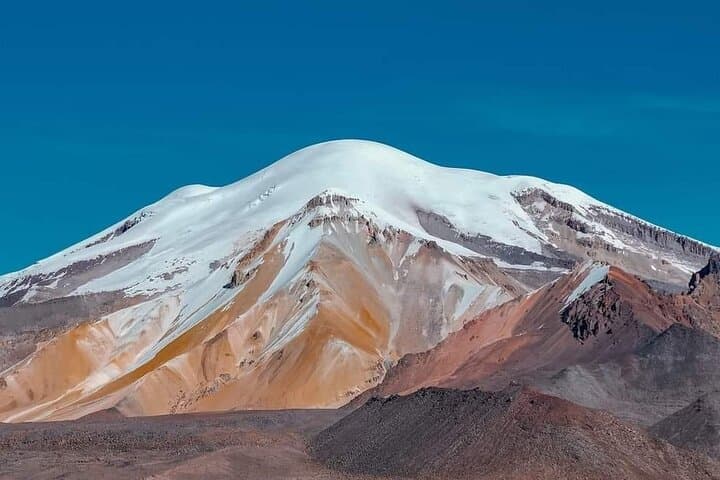
Coropuna is Peru’s highest volcano (6,425 m) and one of the largest glaciated massifs in the central Andes. Geologically it’s a composite volcano capped with glaciers and volcanic domes; culturally the region carries pre-Columbian significance with high-altitude pathways and lake basins used by Andean communities for centuries.
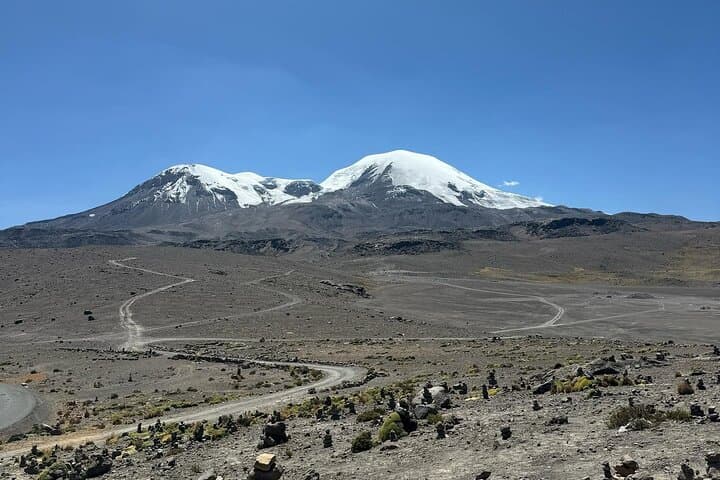
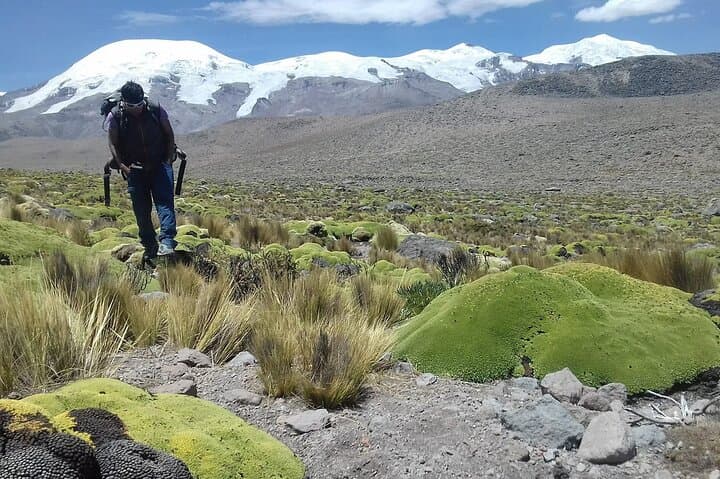
The itinerary is compact and demanding: drive into the Pallarcocha basin, hike 1.9 km and gain to a 5,583 m second base camp, then push for a 3 km summit ascent on day three with up to 1,000+ m of sustained climbing. Terrain shifts from volcanic scree to compact snow and ice; expect exposed ridgelines, crevassed glaciers and sharp, cold winds that shape the landscape.
Practical guidance: prioritize acclimatization and hydration—squaring your pace to the altitude is more important than speed. Technical glacier skills (cramponing, ice-axe arrest, rope travel) and layered, insulated gear are mandatory. Weather can change fast; a dawn start reduces afternoon storm exposure but means long, cold hours before sunrise.
For motivated mountaineers, Coropuna delivers high-Andean challenge and sweeping vistas of Solimana, snowfields that feed important headwaters, and a true alpine finish—earnest, exposed, and utterly uncompromising.
expert.
3 days.
Must be in excellent aerobic condition with previous high-altitude and glacier experience; able to endure long days and significant elevation gain.
Summit day is extreme in length and altitude—expect 8–12 hours ascent with technical glacier sections; strong fitness and previous alpine experience are required.
Guides often supply ropes and some shared gear, but climbers should bring personal crampons, ice axe, boots and helmet and know how to use them.
Acute mountain sickness is common; proper acclimatization, slow pacing, hydration and carrying basic meds (paracetamol, acetazolamide if prescribed) are advised.
The dry season (May–September) offers more stable weather and firmer snow; however, conditions vary and local guides adjust plans accordingly.
Coropuna has long served as a highland landmark and was part of pre-Inca and Inca sacred landscapes; archaeological finds track ancient high-altitude routes.
The mountain’s glaciers are retreating; stick to established campsites, pack out waste, and follow guide instructions to minimize impact on fragile high-Andean ecosystems.
Peru Expeditions Tours operates guided outdoor trips and adventures with an emphasis on safety, stewardship, and memorable experiences.
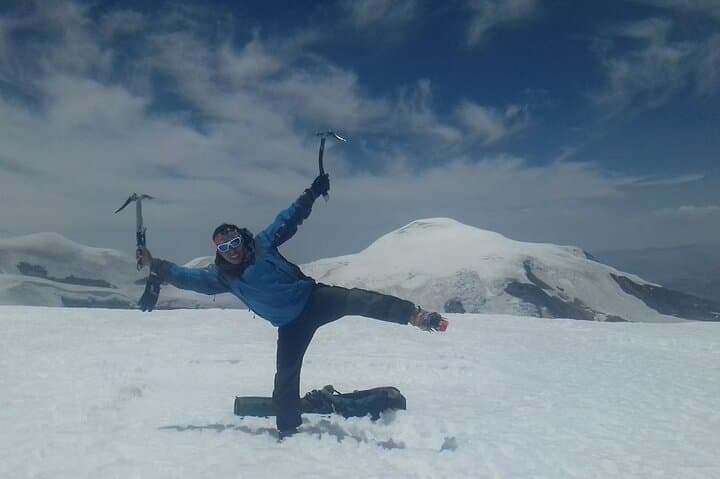
At 1 a.m. on summit day the mountain feels alive: headlamps stitch across the glacier as the east-southeast face pushes you upward through a field of penitentes and hidden crevasses. The air is thin and bright; each step is deliberate, and the Andes around Coropuna open like a raw, high-altitude theater.
At 1 a.m. on summit day the mountain feels alive: headlamps stitch across the glacier as the east-southeast face pushes you upward through a field of penitentes and hidden crevasses. The air is thin and bright; each step is deliberate, and the Andes around Coropuna open like a raw, high-altitude theater.
Coropuna is Peru’s highest volcano (6,425 m) and one of the largest glaciated massifs in the central Andes. Geologically it’s a composite volcano capped with glaciers and volcanic domes; culturally the region carries pre-Columbian significance with high-altitude pathways and lake basins used by Andean communities for centuries.
The itinerary is compact and demanding: drive into the Pallarcocha basin, hike 1.9 km and gain to a 5,583 m second base camp, then push for a 3 km summit ascent on day three with up to 1,000+ m of sustained climbing. Terrain shifts from volcanic scree to compact snow and ice; expect exposed ridgelines, crevassed glaciers and sharp, cold winds that shape the landscape.
Practical guidance: prioritize acclimatization and hydration—squaring your pace to the altitude is more important than speed. Technical glacier skills (cramponing, ice-axe arrest, rope travel) and layered, insulated gear are mandatory. Weather can change fast; a dawn start reduces afternoon storm exposure but means long, cold hours before sunrise.
For motivated mountaineers, Coropuna delivers high-Andean challenge and sweeping vistas of Solimana, snowfields that feed important headwaters, and a true alpine finish—earnest, exposed, and utterly uncompromising.