THE ADVENTURE COLLECTIVE® · Independent discovery and booking for outdoor travel

Scale Nohoch Mul—the tallest pyramid on the Yucatán—and follow a guide into two sacred cenotes near Cobá. This half‑day private tour pairs a short archaeological hike with snorkeling in clear underground waters.
Scale Nohoch Mul—the tallest pyramid on the Yucatán—and follow a guide into two sacred cenotes near Cobá. This half‑day private tour pairs a short archaeological hike with snorkeling in clear underground waters.
You arrive at the clearing before Nohoch Mul and the jungle seems to breathe around the stone—humidity presses at your back and the ceiba trees push dappled light across worn steps. The pyramid rises, blunt and vertical, each riser a reminder of the labor that stacked millions of stones into a 42‑meter summit. Nearby, cenote mouths gape like dark wells; the water inside is cool, steady, and seems to dare you to dive.
Verified experiences and guided adventures in the surrounding area.
Operated by Tulum & Riviera Maya Outdoors · Tulum, Quintana Roo
You arrive at the clearing before Nohoch Mul and the jungle seems to breathe around the stone—humidity presses at your back and the ceiba trees push dappled light across worn steps. The pyramid rises, blunt and vertical, each riser a reminder of the labor that stacked millions of stones into a 42‑meter summit. Nearby, cenote mouths gape like dark wells; the water inside is cool, steady, and seems to dare you to dive.
Cobá was a regional Maya hub connected by raised white roads (sacbe) to far-flung settlements. Geologically the peninsula is porous limestone; sinkholes and underground rivers carve cenotes that held ritual importance and supplied fresh water. A Mayan specialist on many guided visits will explain how stelae recorded lineage and astronomy while pointing out the differences between basin cenotes and the long, river-fed caverns that support snorkel trips.
Expect a mix of low jungle trails, packed-earth plazas, and steep, uneven stone steps on the climb. At the cenotes the light changes quickly: sun on the rim, deep blue below. Swim cautiously; currents inside underground passages can be stronger than they appear.
Practical guidance: bring closed-toe shoes for the site, reef‑safe sunscreen for the cenotes, ample water, and a small waterproof bag for electronics. Morning visits avoid midday heat and crowds; if you plan to photograph the summit view, arrive early to catch light creeping across the forest.
moderate.
6 hours.
Suitable for people in average fitness—able to walk uneven ground for several hours and climb steep stone steps.
Yes—Nohoch Mul’s main pyramid is open to visitors; climb carefully and follow guide directions, as steps are steep and uneven.
Guided, tourist‑accessible cenotes used on tours are safe for snorkeling if you follow instructions and use life vests where provided.
This depends on the operator; many private tours departing from Tulum include pickup, but confirm at booking—the Viator listing indicates private tour options and pickup is typically arranged.
The itinerary is rated easy to moderate; the pyramid climb may be challenging for some older adults or young children, but cenote swims are usually accommodating with provided gear.
Cobá flourished from roughly 600–900 CE and was a regional center known for its extensive sacbe road network and large limestone pyramid Nohoch Mul.
Cenotes are fragile aquifers—use only biodegradable toiletries, avoid littering, and support guides who follow low‑impact practices.
Tulum & Riviera Maya Outdoors operates guided outdoor trips and adventures with an emphasis on safety, stewardship, and memorable experiences.
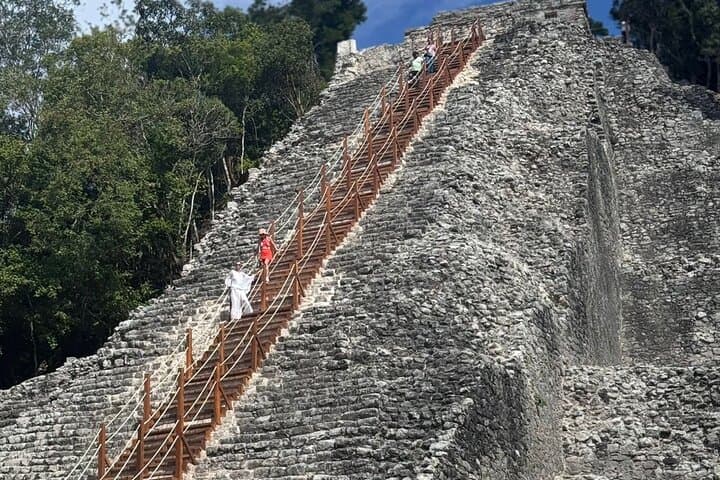
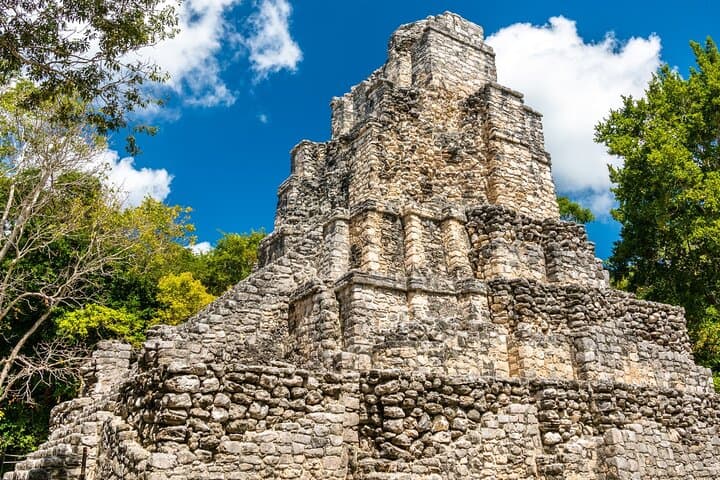
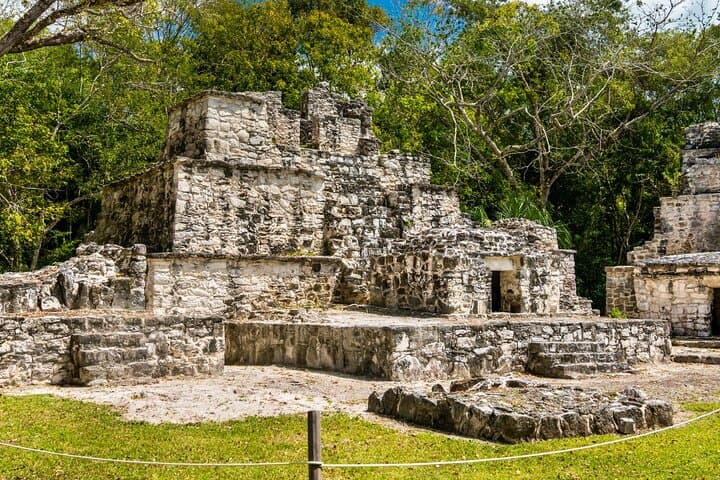
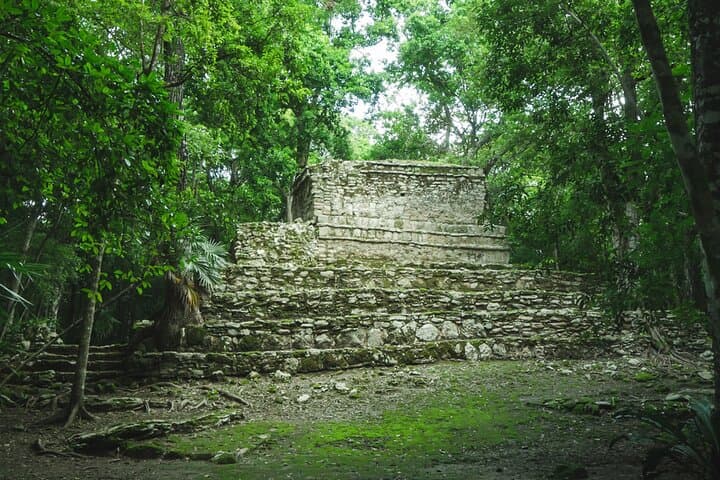
You arrive at the clearing before Nohoch Mul and the jungle seems to breathe around the stone—humidity presses at your back and the ceiba trees push dappled light across worn steps. The pyramid rises, blunt and vertical, each riser a reminder of the labor that stacked millions of stones into a 42‑meter summit. Nearby, cenote mouths gape like dark wells; the water inside is cool, steady, and seems to dare you to dive.
You arrive at the clearing before Nohoch Mul and the jungle seems to breathe around the stone—humidity presses at your back and the ceiba trees push dappled light across worn steps. The pyramid rises, blunt and vertical, each riser a reminder of the labor that stacked millions of stones into a 42‑meter summit. Nearby, cenote mouths gape like dark wells; the water inside is cool, steady, and seems to dare you to dive.
Cobá was a regional Maya hub connected by raised white roads (sacbe) to far-flung settlements. Geologically the peninsula is porous limestone; sinkholes and underground rivers carve cenotes that held ritual importance and supplied fresh water. A Mayan specialist on many guided visits will explain how stelae recorded lineage and astronomy while pointing out the differences between basin cenotes and the long, river-fed caverns that support snorkel trips.
Expect a mix of low jungle trails, packed-earth plazas, and steep, uneven stone steps on the climb. At the cenotes the light changes quickly: sun on the rim, deep blue below. Swim cautiously; currents inside underground passages can be stronger than they appear.
Practical guidance: bring closed-toe shoes for the site, reef‑safe sunscreen for the cenotes, ample water, and a small waterproof bag for electronics. Morning visits avoid midday heat and crowds; if you plan to photograph the summit view, arrive early to catch light creeping across the forest.