THE ADVENTURE COLLECTIVE® · Independent discovery and booking for outdoor travel

Scale the Aguglia di Goloritzè, a slim limestone needle that rises above Cala di Goloritzè. This guided multipitch climb pairs a coastal approach hike with 120–150 m of technical limestone climbing and a refreshing sea swim on return.
Scale the Aguglia di Goloritzè, a slim limestone needle that rises above Cala di Goloritzè. This guided multipitch climb pairs a coastal approach hike with 120–150 m of technical limestone climbing and a refreshing sea swim on return.
You arrive above a narrow cove where limestone walls drop straight to green water and a slim spike of rock thrusts skyward—the Aguglia di Goloritzè daring you to climb. The day begins with a walk from the Golgo plateau down to the small Cala di Goloritzè beach, the trail narrowing over shale and exposed steps until the monolith appears, sun-glinting and sharp against the sea.
Verified experiences and guided adventures in the surrounding area.
Operated by Big Alpine Guide · Baunei, Sardinia
You arrive above a narrow cove where limestone walls drop straight to green water and a slim spike of rock thrusts skyward—the Aguglia di Goloritzè daring you to climb. The day begins with a walk from the Golgo plateau down to the small Cala di Goloritzè beach, the trail narrowing over shale and exposed steps until the monolith appears, sun-glinting and sharp against the sea.
The Aguglia is a product of Karst geology: ancient marine beds folded and dissolved into sheer towers, tested by sea winds and winter storms. Baunei’s coastline has long been shaped by shepherding culture and maritime isolation; the access route follows historic paths used to reach the shore. Climbers tackle roughly 120–150 m of vertical limestone on the Via Lunga route, arranged in multiple pitches that demand secure footwork, efficient rope systems and attention to rock quality.
Expect a 1–1.5 hour approach each way (3–4 km one way depending on route), about 350–450 m of total elevation change on the day when including the uphill return, rocky terrain, and some exposed hiking. The climb itself is technical multi-pitch climbing—bring or use provided equipment, and plan for a guided rope team if you lack multi-pitch experience. After the summit, many descend to swim in clear water to reset tired arms.
Practical guidance: start early for cooler rock and fewer people, carry 2–3 L water, and wear approach shoes with good grip. Check wind forecasts—strong maestrale can make the descent and swim uncomfortable. If you’re fit, comfortable on exposed terrain, and have basic rope skills, this route is a memorable sea‑facing multi‑pitch experience.
challenging.
6 hours.
Should be in good cardiovascular shape with leg strength for a steep hike and upper‑body endurance for sustained climbing
Recommended—participants should have multi‑pitch or guided experience; operators can adapt the route to client skill, but basic rope and belay competence is required.
Expect a 1–1.5 hour approach (3–4 km one way) over rocky, uneven paths with some steep sections; the return climbs about 350–450 m overall for the day.
Yes—many groups descend to Cala di Goloritzè for a swim in clear green water, but only when sea conditions are calm and after drying off and warming up from the climb.
Operators will cancel in high winds or storms; the listed tour has an all‑sales‑final policy but may cancel for unsafe weather—confirm weather rules with the provider before booking.
The Baunei coastline developed around pastoral paths and small fishing coves; Goloritzè’s celebrated rock features were formed by millions of years of marine limestone erosion.
Cala di Goloritzè is protected; stick to marked trails, pack out trash and avoid fixed gear placement beyond established anchors to limit impact.
Big Alpine Guide operates guided outdoor trips and adventures with an emphasis on safety, stewardship, and memorable experiences.
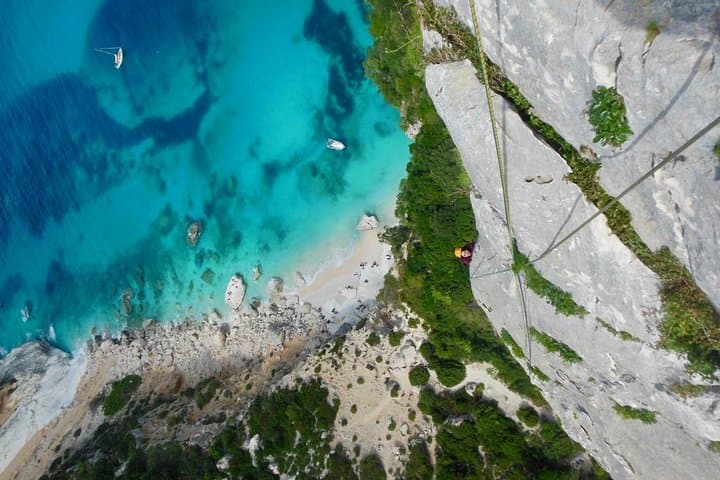


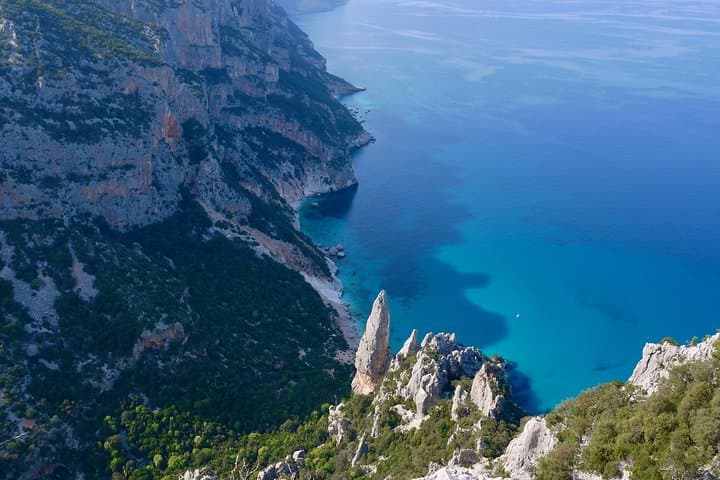
You arrive above a narrow cove where limestone walls drop straight to green water and a slim spike of rock thrusts skyward—the Aguglia di Goloritzè daring you to climb. The day begins with a walk from the Golgo plateau down to the small Cala di Goloritzè beach, the trail narrowing over shale and exposed steps until the monolith appears, sun-glinting and sharp against the sea.
You arrive above a narrow cove where limestone walls drop straight to green water and a slim spike of rock thrusts skyward—the Aguglia di Goloritzè daring you to climb. The day begins with a walk from the Golgo plateau down to the small Cala di Goloritzè beach, the trail narrowing over shale and exposed steps until the monolith appears, sun-glinting and sharp against the sea.
The Aguglia is a product of Karst geology: ancient marine beds folded and dissolved into sheer towers, tested by sea winds and winter storms. Baunei’s coastline has long been shaped by shepherding culture and maritime isolation; the access route follows historic paths used to reach the shore. Climbers tackle roughly 120–150 m of vertical limestone on the Via Lunga route, arranged in multiple pitches that demand secure footwork, efficient rope systems and attention to rock quality.
Expect a 1–1.5 hour approach each way (3–4 km one way depending on route), about 350–450 m of total elevation change on the day when including the uphill return, rocky terrain, and some exposed hiking. The climb itself is technical multi-pitch climbing—bring or use provided equipment, and plan for a guided rope team if you lack multi-pitch experience. After the summit, many descend to swim in clear water to reset tired arms.
Practical guidance: start early for cooler rock and fewer people, carry 2–3 L water, and wear approach shoes with good grip. Check wind forecasts—strong maestrale can make the descent and swim uncomfortable. If you’re fit, comfortable on exposed terrain, and have basic rope skills, this route is a memorable sea‑facing multi‑pitch experience.