THE ADVENTURE COLLECTIVE® · Independent discovery and booking for outdoor travel

A half-day tour that pairs a cliffside pilgrimage at Ostrog Monastery with the shallow, postcard-ready cascades of the Cijevna River — Montenegro’s local “Niagara.” Practical, compact and rich in history, this route works well as a cultural and nature combo from Podgorica.
A half-day tour that pairs a cliffside pilgrimage at Ostrog Monastery with the shallow, postcard-ready cascades of the Cijevna River — Montenegro’s local “Niagara.” Practical, compact and rich in history, this route works well as a cultural and nature combo from Podgorica.
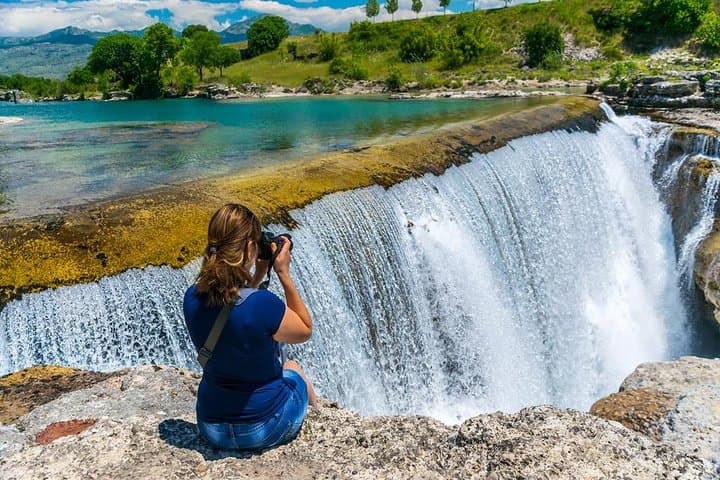
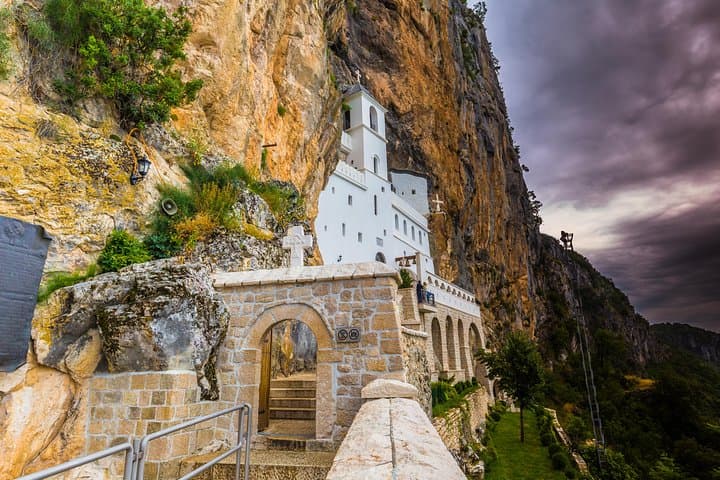
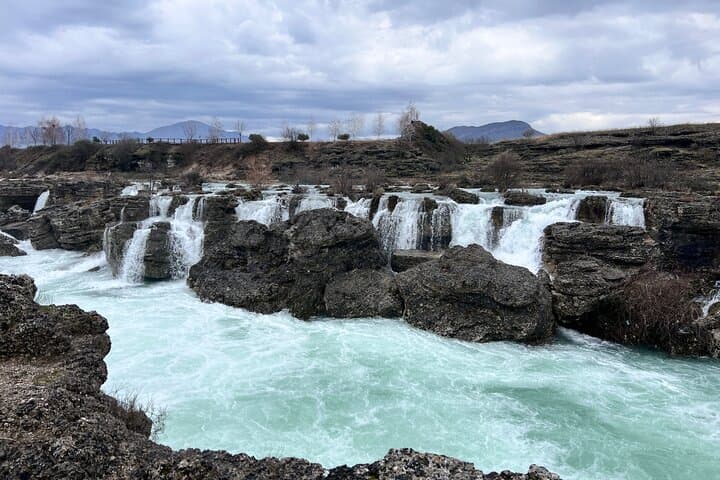
The road climbs out of Podgorica and the concrete gives way to hairpins and limestone walls until the monastery appears, white against the vertical rock like a human answer to the cliff itself. You move among pilgrims, hushed and deliberate, then descend later to where the Cijevna River breaks over wide, shallow slabs — the local “Niagara” — its channels daring you to step closer for a postcard frame.
Verified experiences and guided adventures in the surrounding area.
Operated by Mont Travelers Montenegro FIT & Bespoke Travel Experience · Ostrog, Podgorica Municipality
The road climbs out of Podgorica and the concrete gives way to hairpins and limestone walls until the monastery appears, white against the vertical rock like a human answer to the cliff itself. You move among pilgrims, hushed and deliberate, then descend later to where the Cijevna River breaks over wide, shallow slabs — the local “Niagara” — its channels daring you to step closer for a postcard frame.
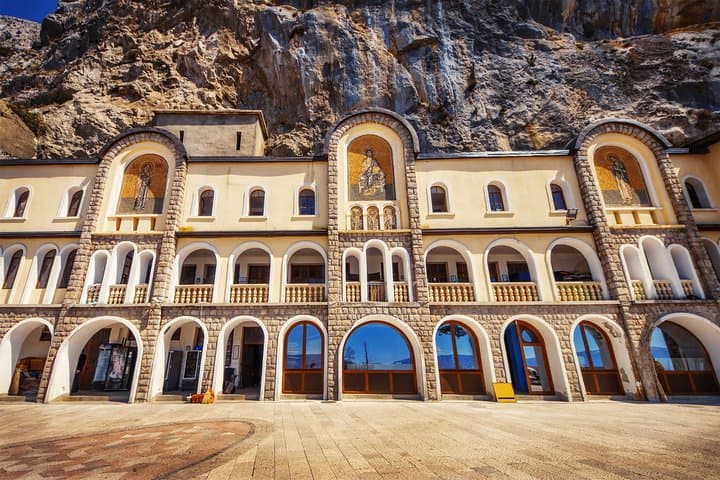
Ostrog dates to the 17th century and honors Saint Basil of Ostrog; its two-tier complex (Upper and Lower) is both a functioning monastery and one of Montenegro’s most visited spiritual sites. Geologically the massif is karst limestone; the monastery is literally carved into the rock face, offering sweeping views over the Bjelopavlići plain. Downstream, the Cijevna’s falls were shaped by river-borne stone and human milling activity from the 19th century, a mix of natural channels and worked rock.
Culturally this is pilgrimage and daily life in one — expect devout visitors, modest dress requirements (shoulders and knees covered), and a steady flow of candles and icons. Optional extras include a one-hour Skadar Lake boat trip from Virpazar, adding wetlands, terns, and ancient fort ruins to the itinerary.
Practical guide: tours run 3–6 hours depending on options; July can leave the falls dry and May 12 (the monastery feast) is extremely crowded. Wear sturdy shoes for steep steps and slippery rock, bring sun protection and water, and plan pickup points carefully (extra fees from Kotor/Budva). Access is by road; some sections are exposed and can be cool—layers are wise. This is a half-day that pairs cultural depth with hands-on nature, suitable for most travelers with basic mobility.
moderate.
3–6 hours.
Basic fitness needed for short uphill stair sections and short walks over uneven ground; stable balance recommended.
No formal ticket is required; donations are common and there may be a small fee for any ancillary museum displays — bring local currency or card where possible.
Flow varies seasonally; snowmelt and spring rains mean best flow in spring and autumn, while July can be low or dry in parts.
The included option is typically a one-hour boat ride from Virpazar; national park entrance or extra fees may apply depending on route.
No — access to the Upper Monastery involves steep steps and uneven paths; the Lower Monastery and approaches are easier but still uneven.
Founded in the 17th century and rebuilt several times, Ostrog preserves the relics of Saint Basil and evolved as a major Orthodox pilgrimage site during Ottoman-era Montenegro.
Skadar Lake sits within a national park with strict boat routes and seasonal limits; visitors should avoid disturbing nesting birds and follow local guidance to reduce erosion at waterfall access points.
Mont Travelers Montenegro FIT & Bespoke Travel Experience operates guided outdoor trips and adventures with an emphasis on safety, stewardship, and memorable experiences.
The road climbs out of Podgorica and the concrete gives way to hairpins and limestone walls until the monastery appears, white against the vertical rock like a human answer to the cliff itself. You move among pilgrims, hushed and deliberate, then descend later to where the Cijevna River breaks over wide, shallow slabs — the local “Niagara” — its channels daring you to step closer for a postcard frame.
The road climbs out of Podgorica and the concrete gives way to hairpins and limestone walls until the monastery appears, white against the vertical rock like a human answer to the cliff itself. You move among pilgrims, hushed and deliberate, then descend later to where the Cijevna River breaks over wide, shallow slabs — the local “Niagara” — its channels daring you to step closer for a postcard frame.
Ostrog dates to the 17th century and honors Saint Basil of Ostrog; its two-tier complex (Upper and Lower) is both a functioning monastery and one of Montenegro’s most visited spiritual sites. Geologically the massif is karst limestone; the monastery is literally carved into the rock face, offering sweeping views over the Bjelopavlići plain. Downstream, the Cijevna’s falls were shaped by river-borne stone and human milling activity from the 19th century, a mix of natural channels and worked rock.
Culturally this is pilgrimage and daily life in one — expect devout visitors, modest dress requirements (shoulders and knees covered), and a steady flow of candles and icons. Optional extras include a one-hour Skadar Lake boat trip from Virpazar, adding wetlands, terns, and ancient fort ruins to the itinerary.
Practical guide: tours run 3–6 hours depending on options; July can leave the falls dry and May 12 (the monastery feast) is extremely crowded. Wear sturdy shoes for steep steps and slippery rock, bring sun protection and water, and plan pickup points carefully (extra fees from Kotor/Budva). Access is by road; some sections are exposed and can be cool—layers are wise. This is a half-day that pairs cultural depth with hands-on nature, suitable for most travelers with basic mobility.